

Loose skin on the upper arms can remain even after significant weight loss, regular exercise and improvements in general fitness.
Some patients notice a small fold of skin near the armpit. Others develop substantial skin excess extending from the axilla towards the elbow.
These conditions require different surgical approaches.
I am Dr Gökhan Özerdem, Specialist in Aesthetic, Plastic and Reconstructive Surgery in Antalya, Turkey.
With more than 25 years of surgical experience, I perform arm lift surgery, medically known as brachioplasty, to improve upper arm contour by removing excess skin and, when appropriate, reducing selected fatty deposits.
Depending on the patient’s anatomy, I may recommend a mini arm lift, traditional brachioplasty or extended arm lift.
In selected cases, I combine skin removal with liposuction.
The key to a successful arm lift is choosing the appropriate amount of correction while planning the scar carefully.
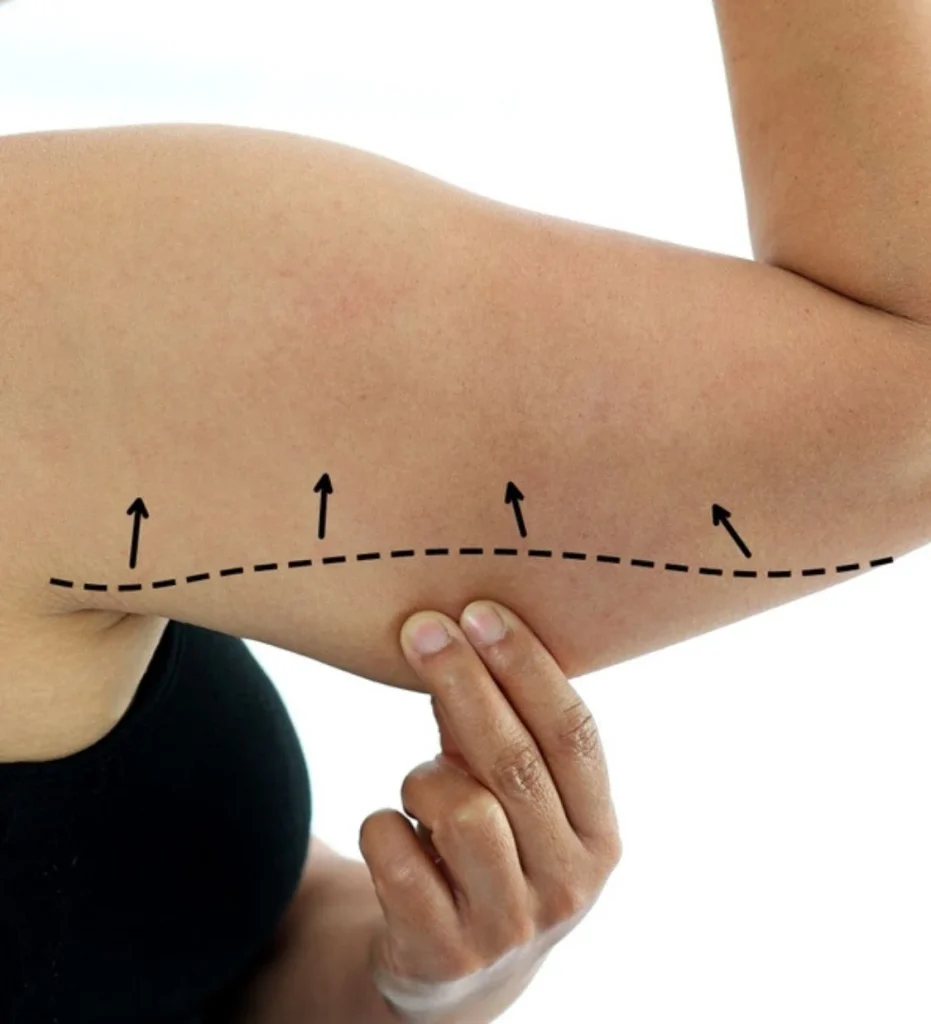
What Is an Arm Lift?
An arm lift is a surgical procedure that reshapes the upper arms by removing excess skin and, when necessary, associated fatty tissue.
The operation primarily addresses the area between the armpit and elbow.
It may be appropriate for patients who have developed skin laxity following:
- Significant weight loss
- Ageing
- Genetic differences in skin elasticity
- Long-standing changes in body weight
- Previous bariatric surgery
Arm lift surgery does not strengthen the arm muscles.
It improves the contour of the soft tissues covering them.
The extent of surgery depends on how much loose skin is present and where it is located.
About Dr. Gökhan Özerdem
Specialist Plastic Surgeon in Antalya, Turkey
I am Dr Gökhan Özerdem, Specialist in Aesthetic, Plastic and Reconstructive Surgery, practising in Antalya, Turkey.
My professional background includes:
- More than 25 years of surgical experience
- Thousands of aesthetic and reconstructive surgical procedures
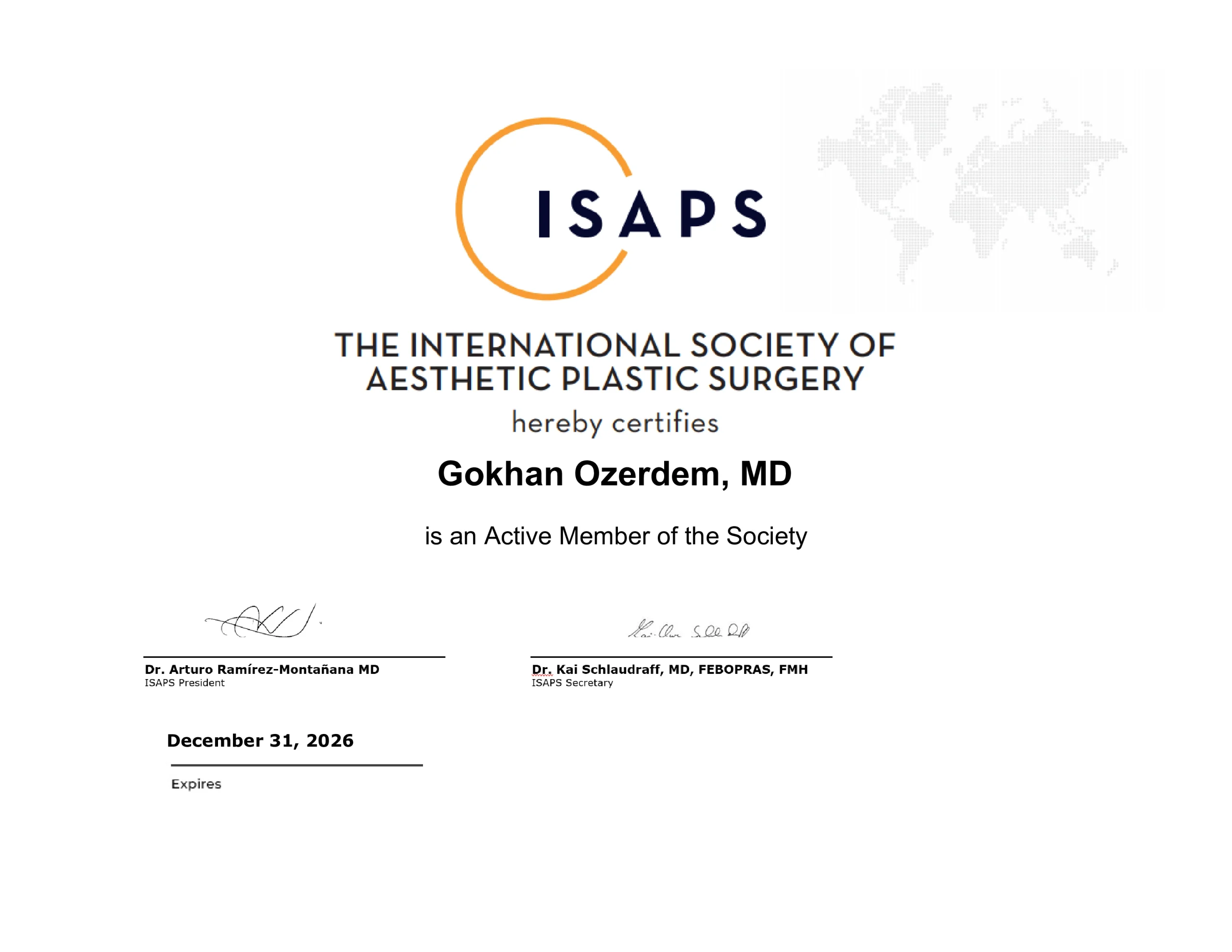
- Member of the International Society of Aesthetic Plastic Surgery (ISAPS)
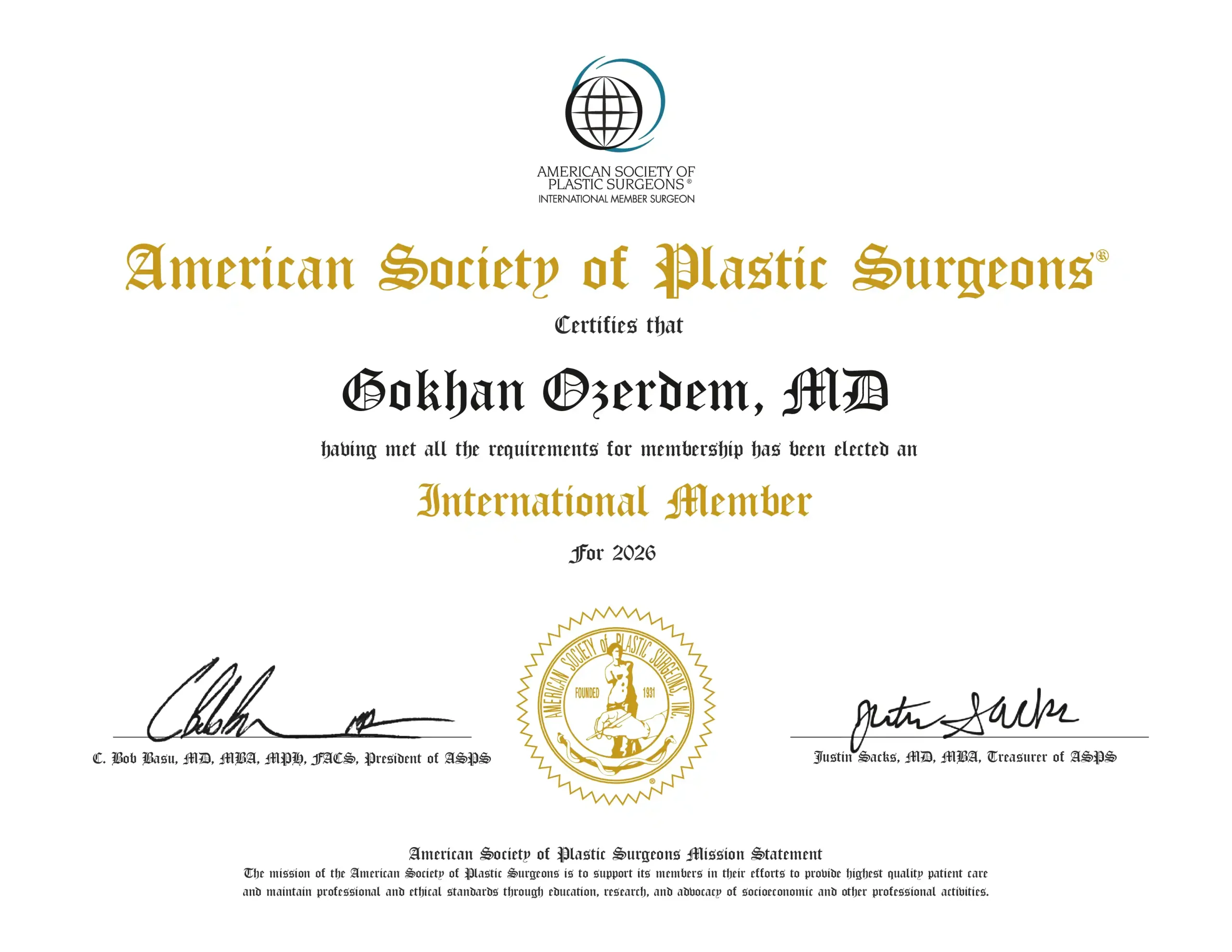
- Member of the American Society of Plastic Surgeons (ASPS)
- Member of the Turkish Society of Plastic, Reconstructive and Aesthetic Surgeons
- Member of the Turkish Society of Aesthetic Plastic Surgery
- Professional medical experience and licensing in Dubai
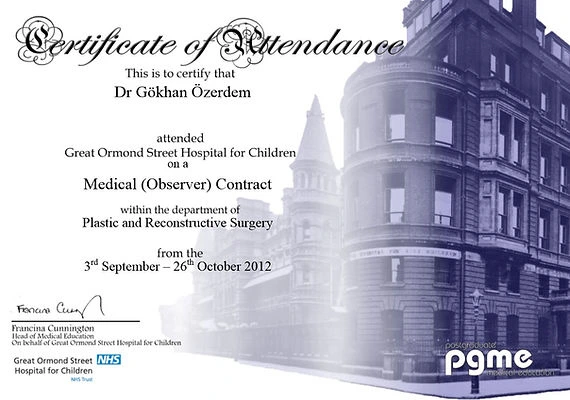
- Observer experience at Great Ormond Street Hospital for Children, London, UK
- Gamma Probe Course at Castle Hill Hospital, Hull, UK
- Oral and poster presentations at national and international scientific congresses
- Session chairmanship at the Turkish National Plastic Surgery Congress
- International scientific publications and academic work
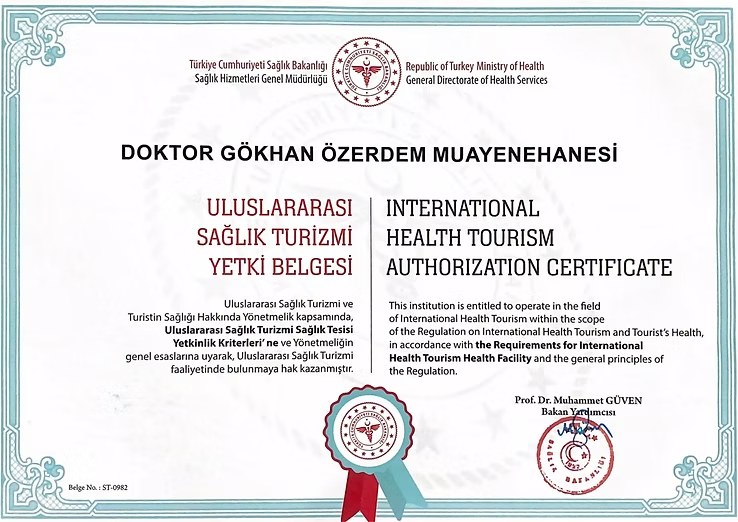
- Authorised to provide services to international patients under the relevant Turkish Ministry of Health International Health Tourism framework
Major surgical procedures are performed in fully equipped hospital facilities in Antalya with appropriate anaesthesia and medical support.

Why Does Upper Arm Skin Become Loose?
The skin contains collagen and elastin fibres that contribute to its structure and elasticity.
Over time, skin quality changes.
Ageing, genetics and substantial stretching can reduce the skin’s ability to contract.
Weight gain may stretch the upper arm skin as fatty tissue accumulates.
When significant weight loss occurs, the underlying fat volume decreases, but the stretched skin may not retract sufficiently.
This can create hanging folds along the underside of the arms.
Exercise can improve muscle tone but cannot reliably remove substantial excess skin.
Who Is a Good Candidate for Brachioplasty?
Arm lift surgery may be suitable for patients with:
- Significant upper arm skin laxity
- Hanging skin following weight loss
- Persistent skin folds despite stable weight
- Discomfort caused by excess arm skin
- Difficulty finding comfortable clothing
- Realistic expectations regarding scars
- Suitable general health for elective surgery
Patients should ideally have a relatively stable body weight before surgery.
Those planning substantial additional weight loss may benefit from postponing the operation.
I also assess smoking and nicotine use because they can increase the risk of wound-healing complications.
My Approach to Arm Lift Surgery
Before recommending brachioplasty, I examine the entire upper arm.
I assess:
- Amount of excess skin
- Distribution of fatty tissue
- Skin elasticity
- Location of the hanging skin
- Relationship between the arm and axilla
- Whether skin excess extends towards the chest
- Existing asymmetry
- Previous scars
- Weight stability
- Patient expectations
I also consider how the arm changes when it is raised, lowered and moved away from the body.
An incision that looks discreet in one position may become more visible in another.
For this reason, I discuss scar placement as part of the initial surgical plan.
Three Main Types of Arm Lift Surgery
The extent of brachioplasty varies according to the distribution of loose skin.
1. Mini Arm Lift
A mini arm lift is designed for carefully selected patients with limited skin excess near the armpit.
2. Traditional Arm Lift
Traditional brachioplasty addresses more extensive loose skin along the upper arm.
3. Extended Arm Lift
Extended brachioplasty may be necessary when skin excess continues beyond the armpit towards the side of the chest.
These operations are not interchangeable.
A shorter incision is only appropriate when it can adequately correct the anatomical problem.
Mini Arm Lift
When Is a Shorter Incision Sufficient?
A mini arm lift may be suitable for patients with relatively limited skin laxity concentrated in the uppermost part of the arm.
The incision is usually positioned near the axilla.
The objective is to remove a limited amount of excess skin while avoiding a long incision extending towards the elbow.
However, the operation has important limitations.
It cannot reliably correct significant loose skin throughout the entire upper arm.
If the skin hangs along most of the arm, a mini arm lift may leave the main problem unresolved.
I do not recommend a mini arm lift simply because a patient wants the smallest possible scar.
Traditional Arm Lift
Correcting Loose Skin Between the Armpit and Elbow
Traditional brachioplasty is appropriate for patients with more extensive skin excess along the upper arm.
The incision generally extends along the inner or posteromedial aspect of the upper arm.
The precise position depends on the anatomy and planned correction.
Excess skin is removed, and the remaining tissues are repositioned to improve the arm contour.
The scar is longer than that of a mini arm lift.
However, this additional incision length allows more extensive skin removal.
For many patients with substantial skin laxity, the improved contour justifies accepting a longer scar.
Your Arm Lift Journey in Antalya
1. Preliminary Assessment
You provide medical information, photographs and details of your concerns.
2. Consultation in Antalya
I examine skin excess, fat distribution, arm proportions and any extension of loose skin towards the chest.
3. Surgical Planning
We discuss whether a mini, traditional or extended arm lift is appropriate.
Scar position, recovery and risks are explained.
4. Surgery
Your procedure is performed under general anaesthesia in a fully equipped hospital.
5. Early Recovery
My team and I monitor wound healing, swelling and general recovery.
6. Returning Home
You return home when your recovery allows safe travel.
7. Long-Term Follow-Up
Arm contours and scars continue to change over the following months.
Follow-up communication can continue after you return to your home country.
Extended Arm Lift
When Loose Skin Continues Towards the Chest
Patients who have experienced major weight loss may develop loose skin extending from the upper arm into the axilla and lateral chest.
In these cases, traditional brachioplasty may not correct the entire area.
An extended arm lift may be considered.
The incision can continue beyond the armpit towards the lateral chest, depending on the distribution of excess skin.
This allows treatment of a broader area.
However, the procedure involves a longer scar and potentially more extensive recovery.
I discuss these trade-offs before surgery.
Mini, Traditional or Extended Arm Lift?
| Procedure | Main Indication | Typical Scar |
| Mini Arm Lift | Limited skin excess near the armpit | Short incision near the axilla |
| Traditional Arm Lift | Skin excess along the upper arm | Inner or posteromedial upper arm |
| Extended Arm Lift | Skin excess extending towards the chest | Upper arm incision extending into the lateral chest |
The appropriate technique depends on the amount and distribution of skin excess.
The shortest incision is not necessarily the best choice.
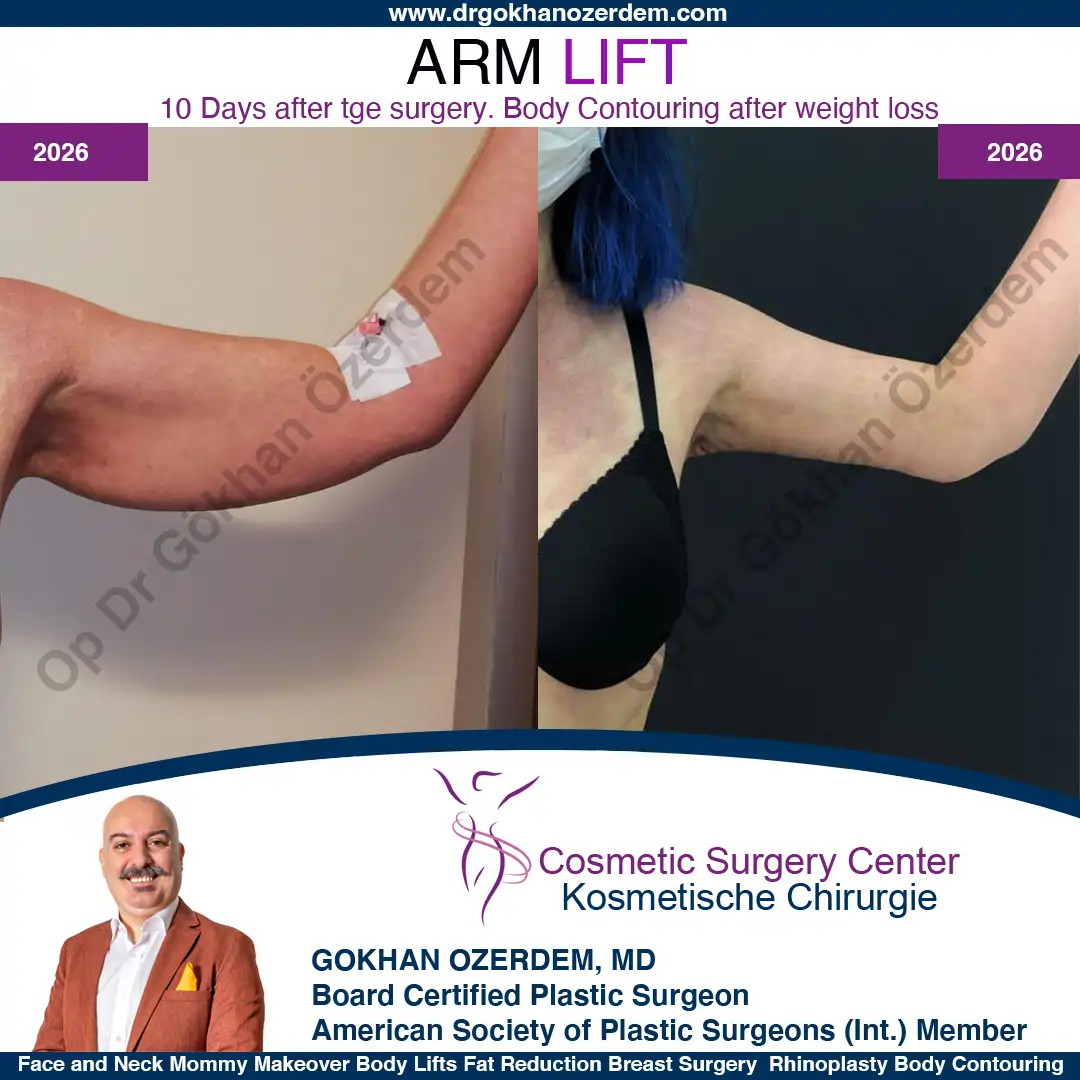
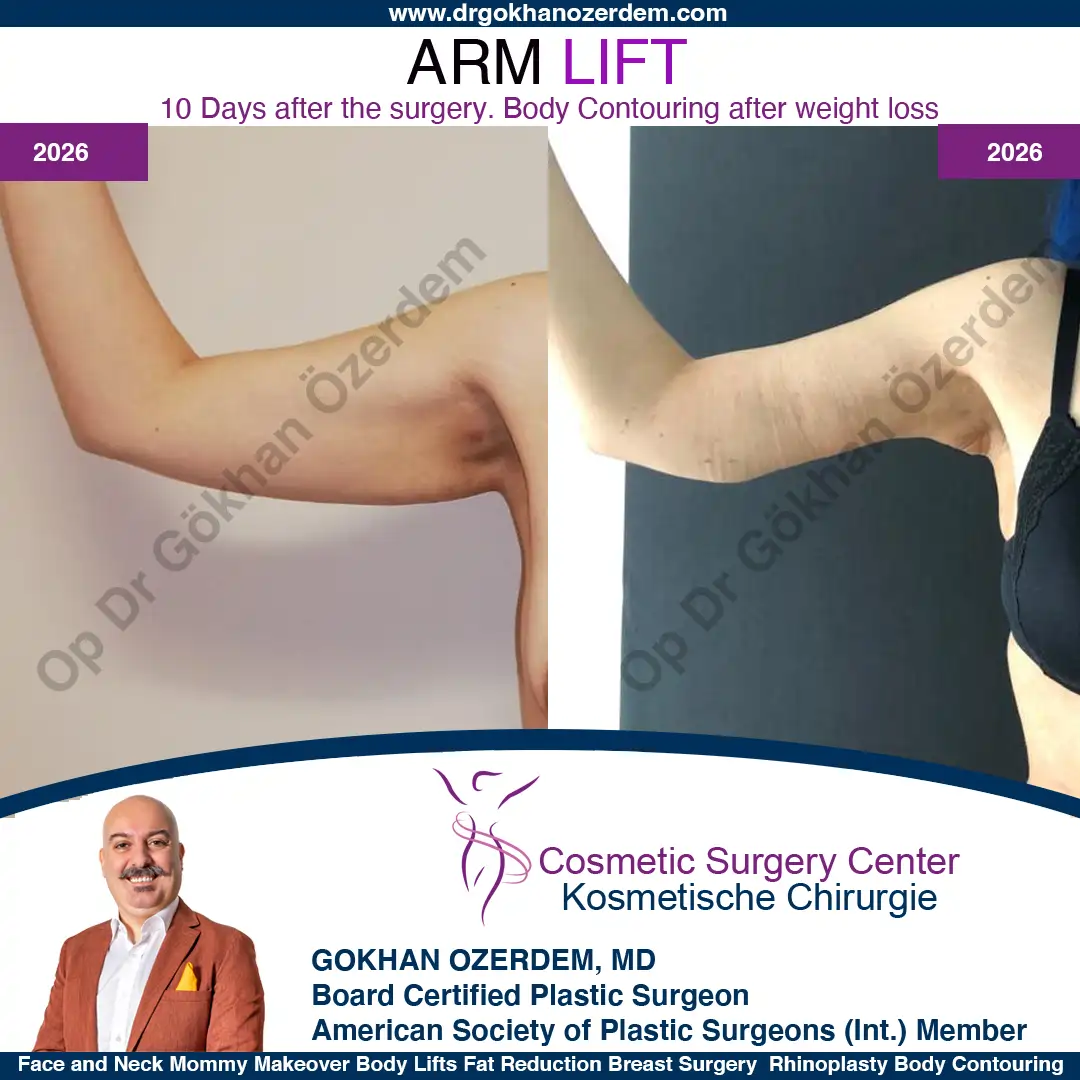
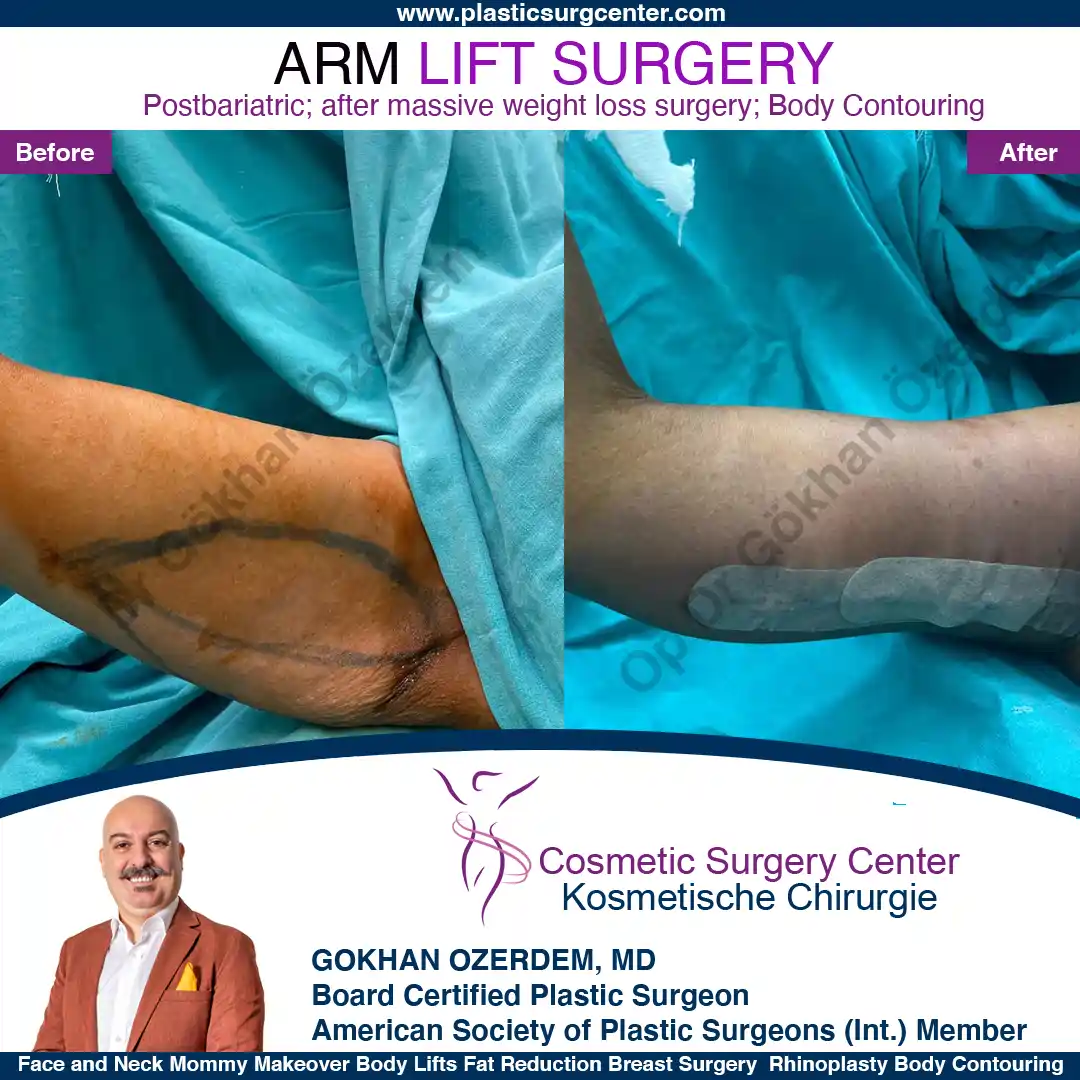
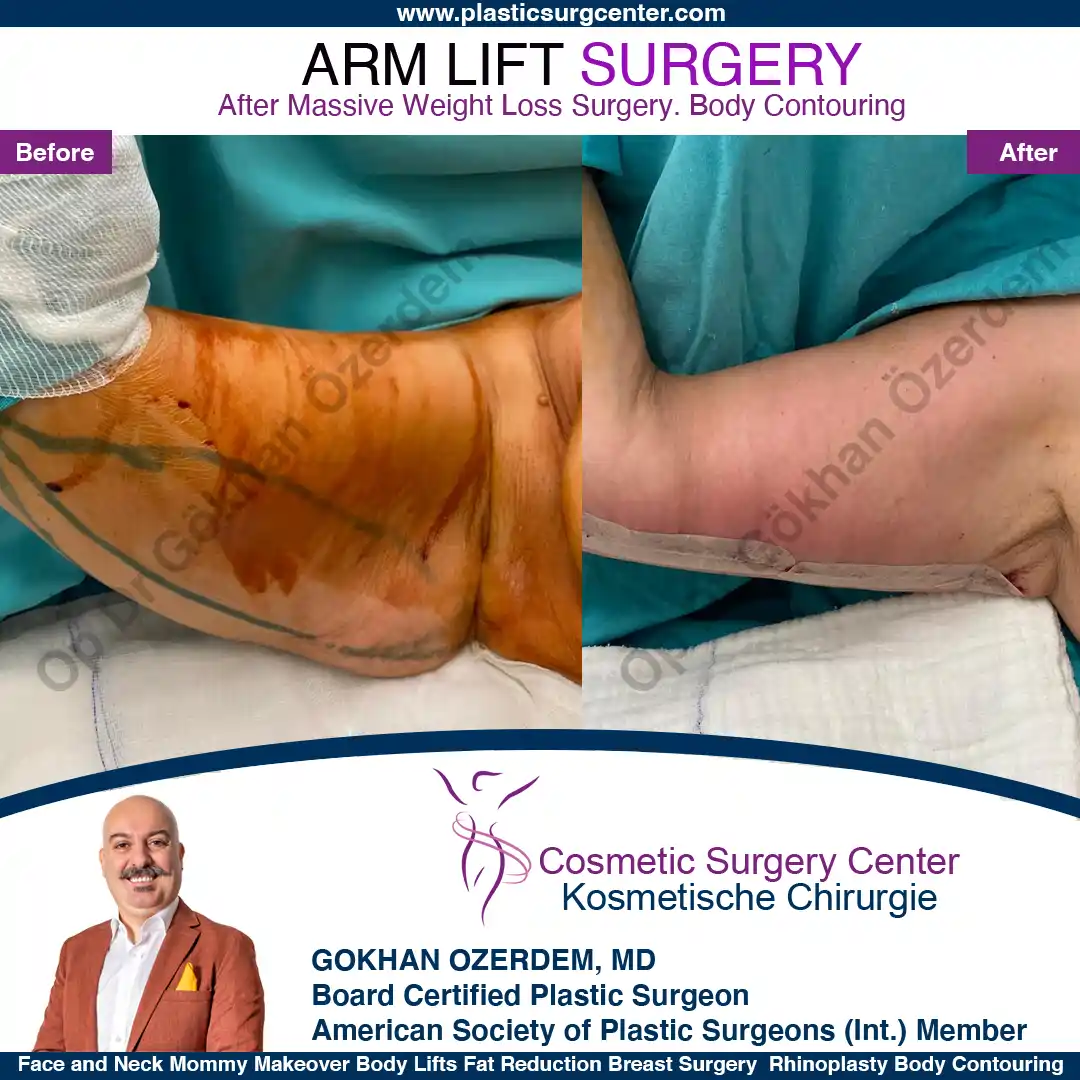
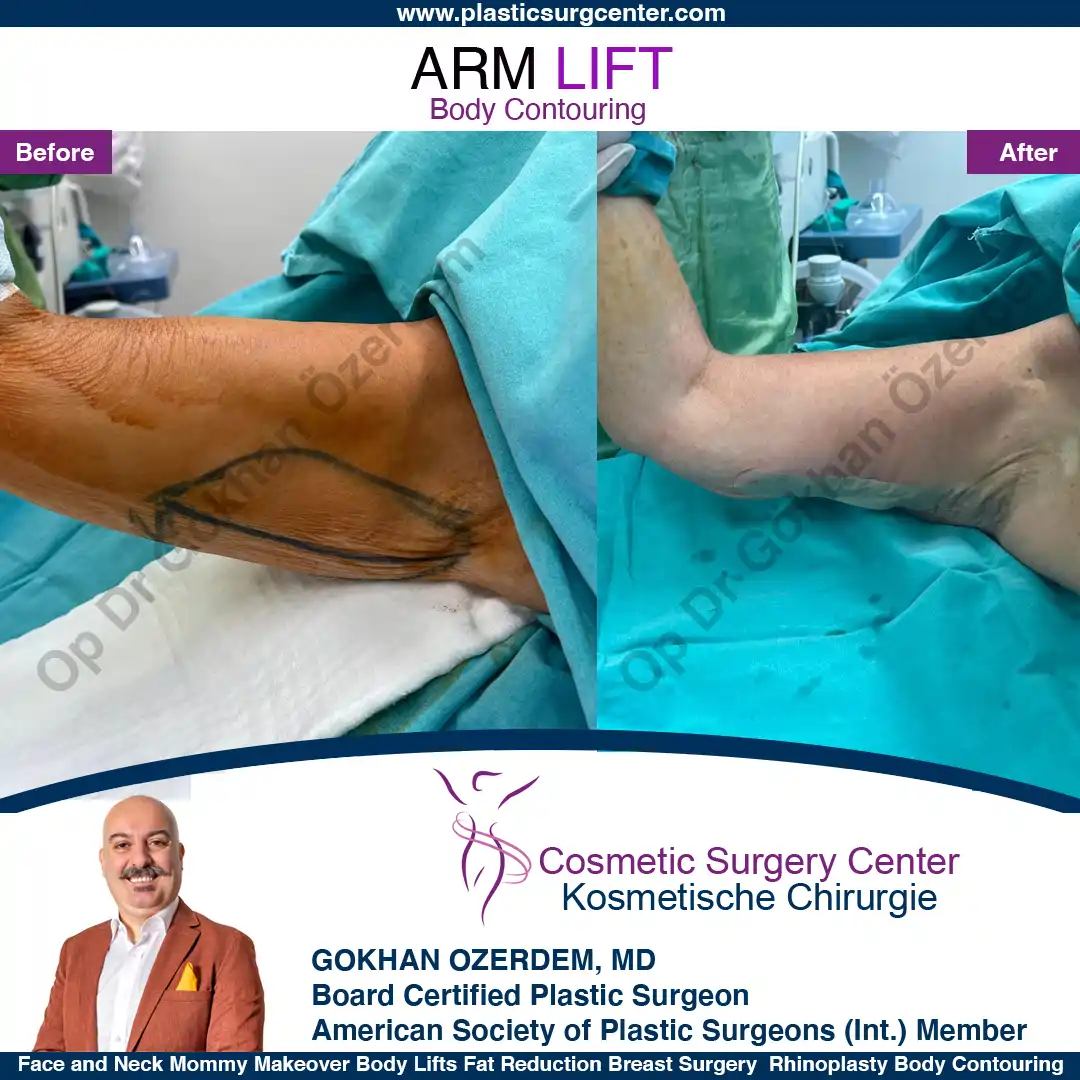
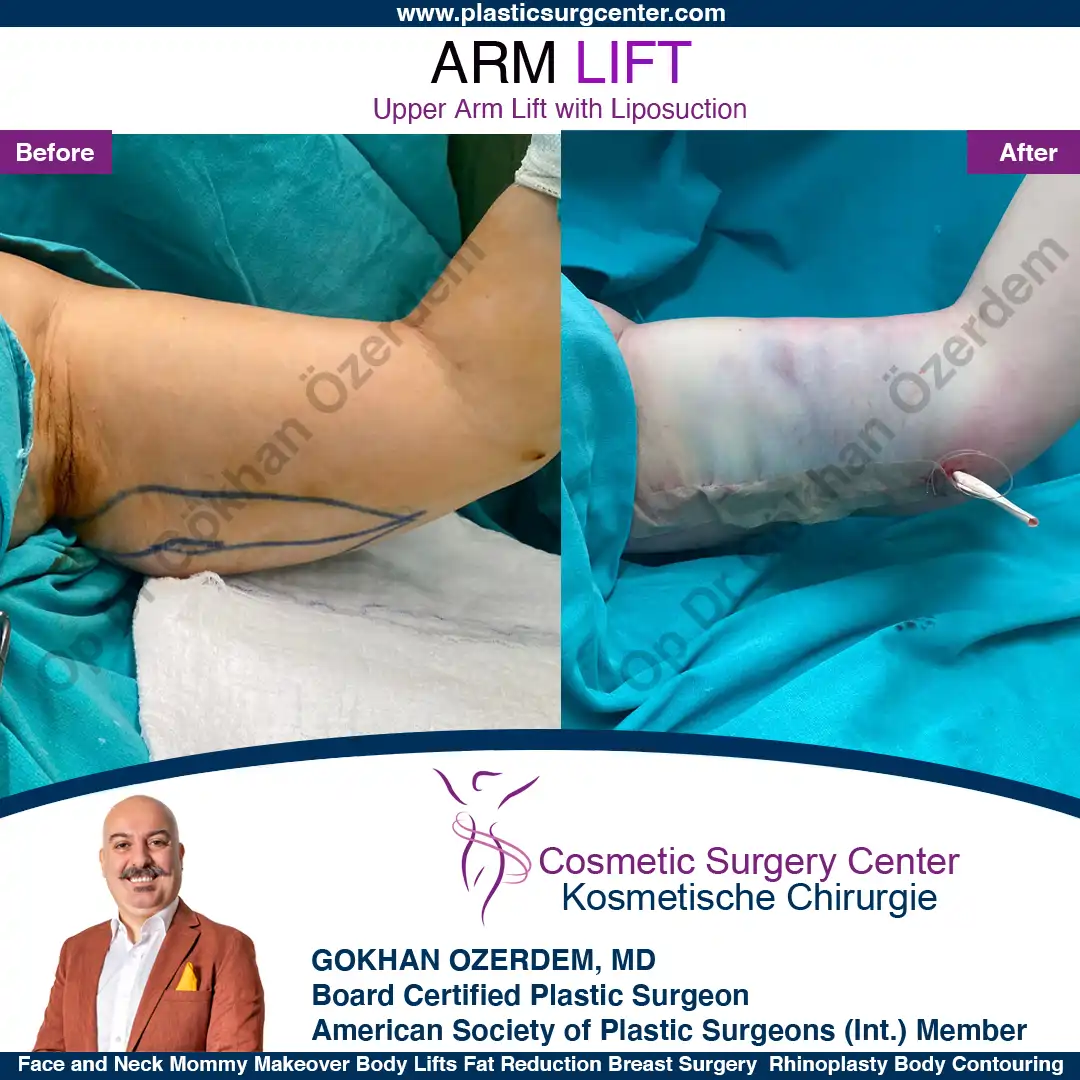
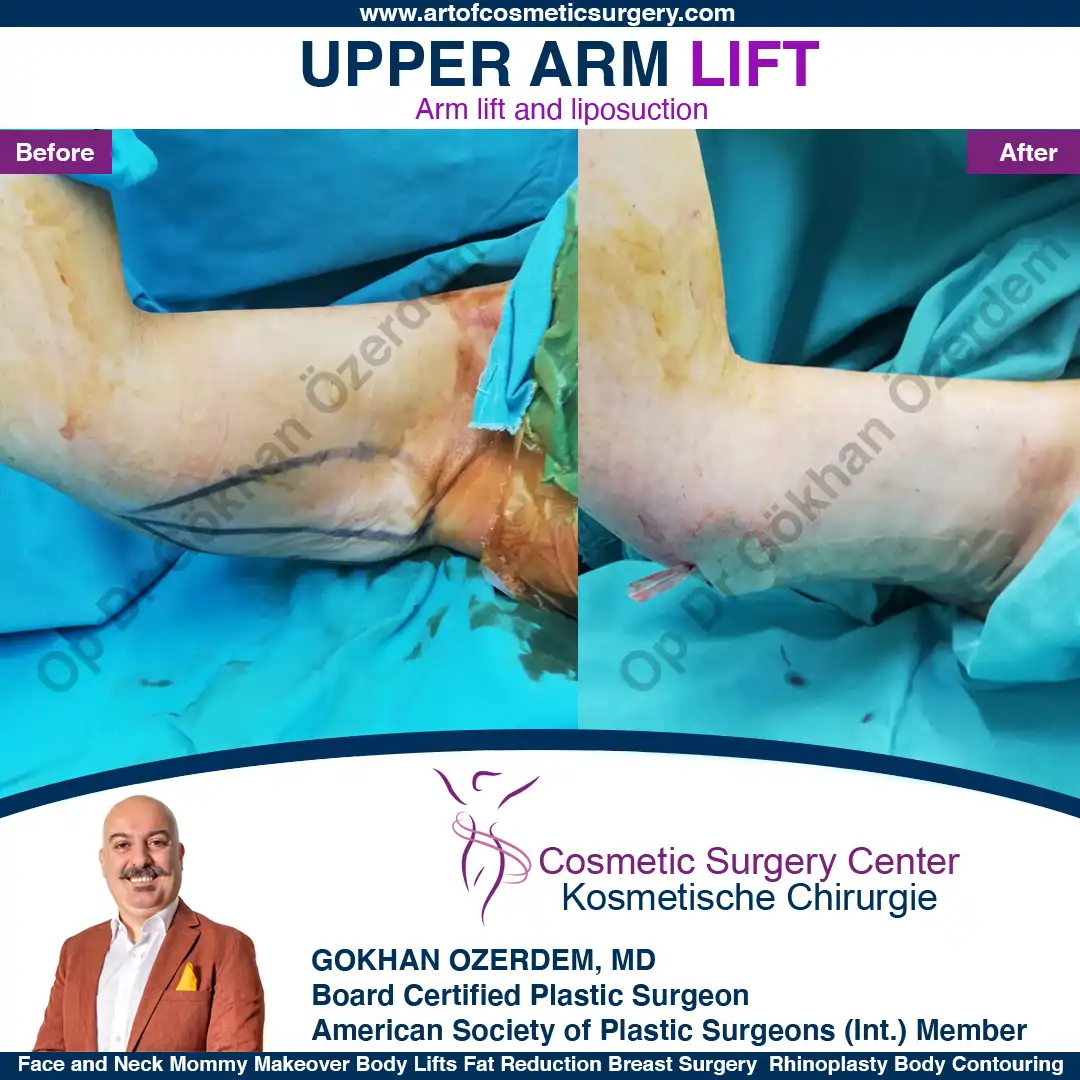
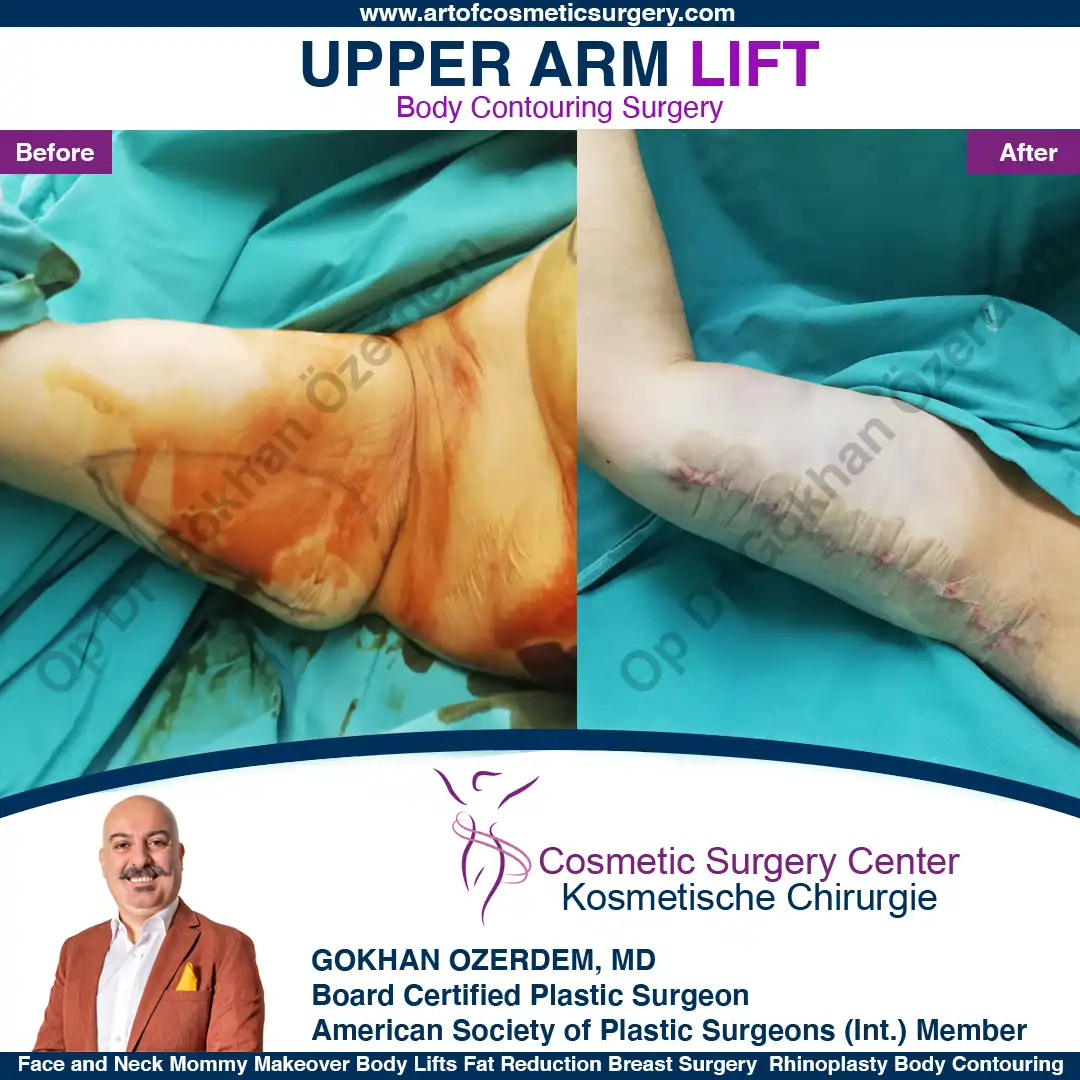
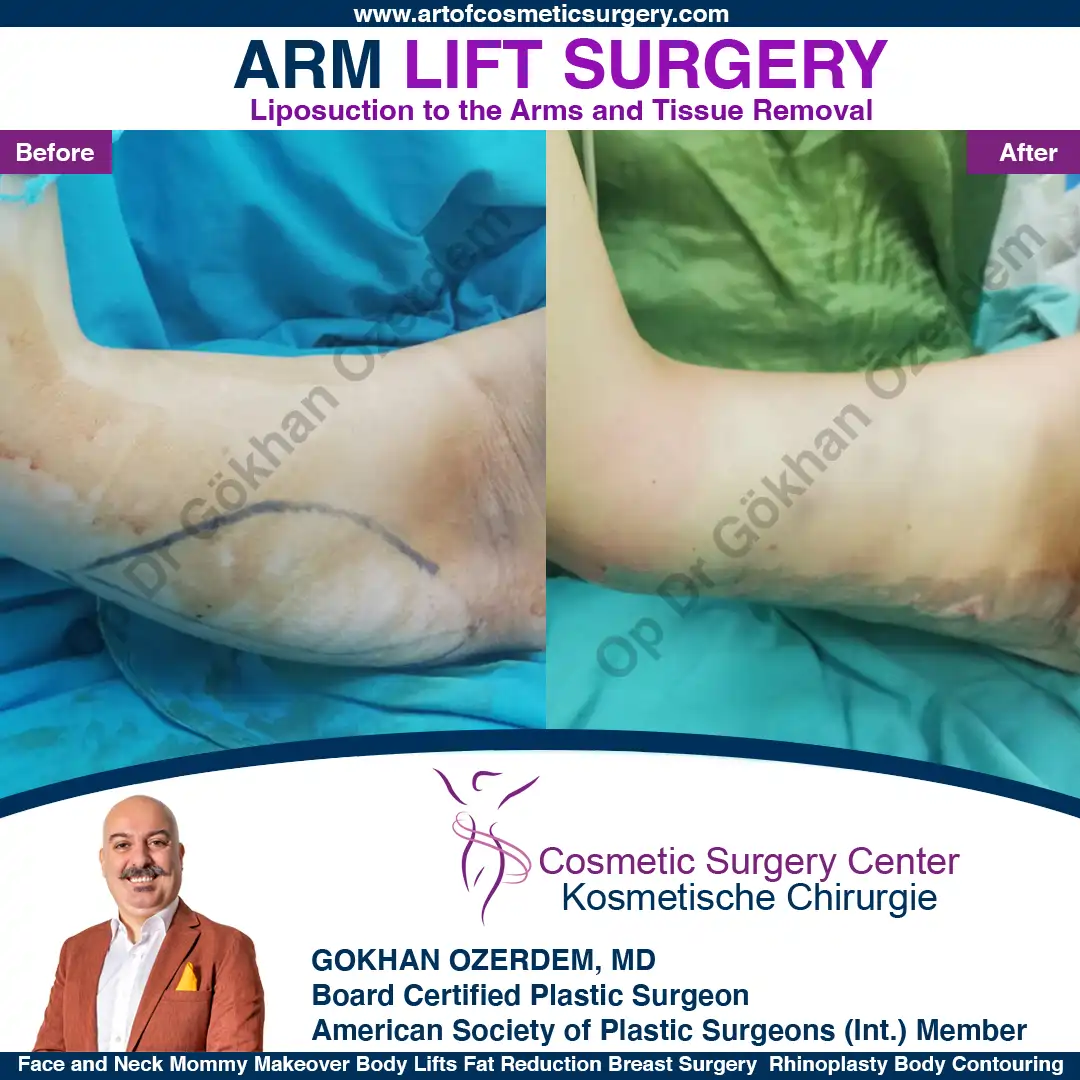
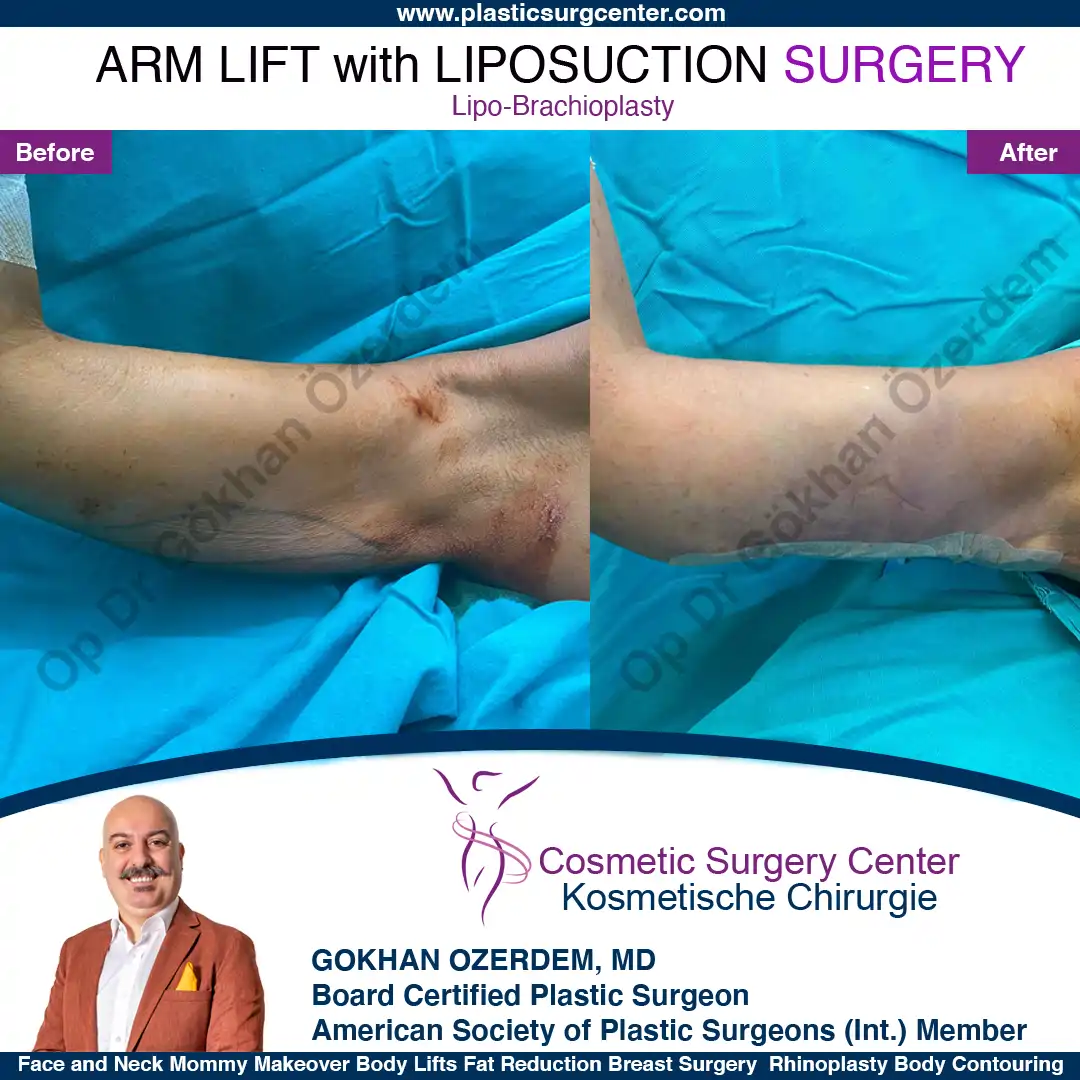
Arm Lift Before and After
Brachioplasty Results
[ARM LIFT BEFORE & AFTER GALLERY]
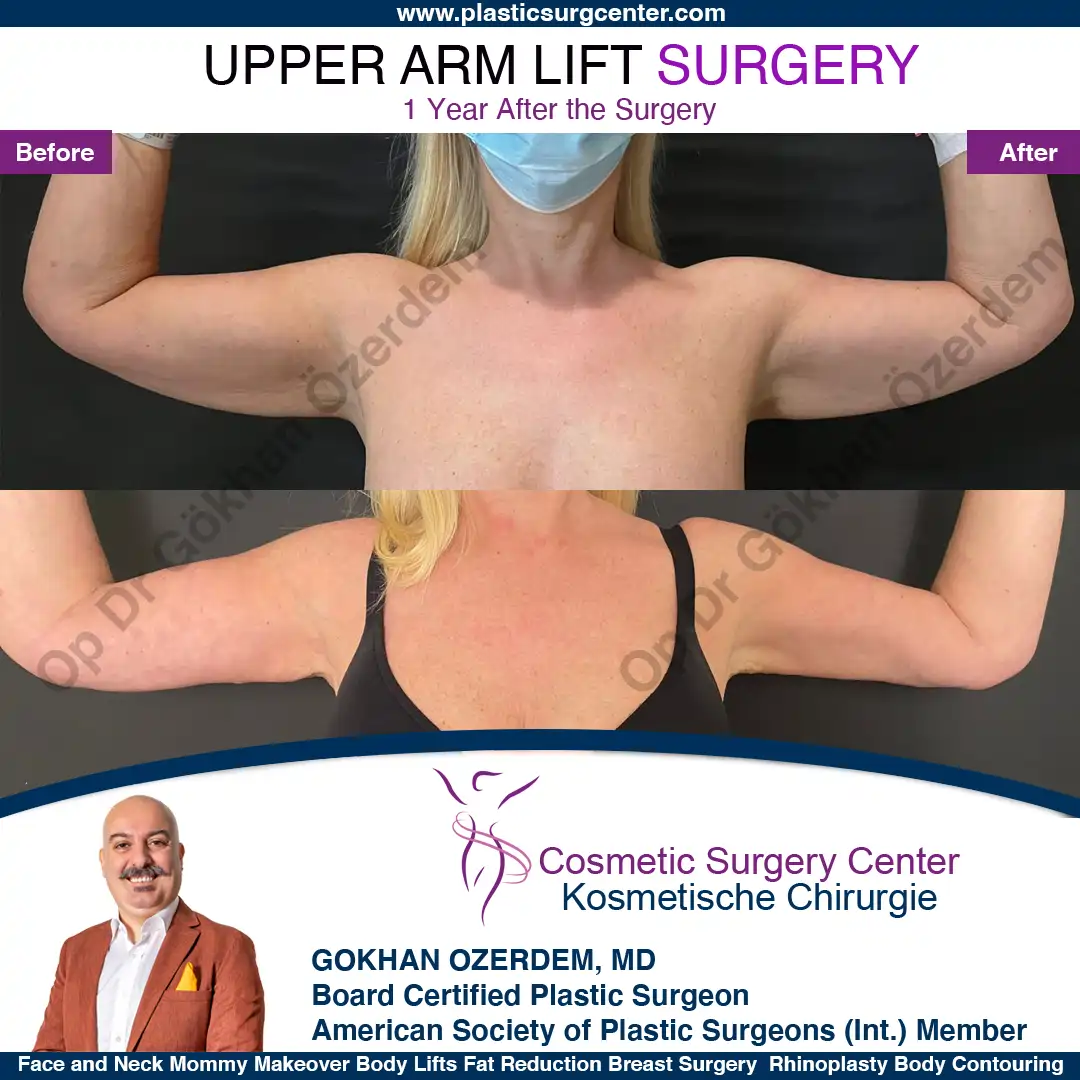
Before and after photographs may demonstrate changes in:
- Upper arm skin excess
- Hanging skin folds
- Arm circumference
- Inner arm contour
- Arm symmetry
- The transition between the arm and axilla
However, the result depends on skin quality, the extent of surgery and individual healing.
Photographs should be viewed as examples of individual outcomes rather than guarantees.Photographs should be viewed as examples of individual results rather than guarantees.
Where Are Arm Lift Scars Located?
Scar placement is one of the most important considerations in brachioplasty.
For traditional arm lift surgery, the incision is commonly positioned along the inner or posteromedial aspect of the upper arm.
This can make the scar less noticeable in certain arm positions.
However, it cannot make the scar completely invisible.
When the arms are raised or exposed, the scar may be visible.
I explain this before surgery because patients should understand the trade-off between removing loose skin and accepting a permanent incision.
Will the Arm Lift Scar Be Visible?
Yes, to some degree.
Every surgical incision leaves a scar.
Arm lift scars can be particularly noticeable during the early healing period.
They may initially appear:
- Red or pink
- Firm
- Raised
- Darker than the surrounding skin
- Uneven
Over time, many scars become softer and less conspicuous.
However, scar appearance varies between patients.
Some individuals develop widened or hypertrophic scars.
I do not promise an invisible scar after brachioplasty.
How Long Do Arm Lift Scars Take to Heal?
The skin incision generally heals much earlier than the scar completes its maturation.
Scar maturation commonly continues for 12–18 months or longer.
During this period, the scar may gradually soften and fade.
The final appearance depends on:
- Individual healing
- Skin characteristics
- Genetics
- Wound tension
- Smoking status
- Postoperative care
- Complications during healing
Scar management may include appropriate silicone-based products or other measures when indicated.
I provide recommendations according to the patient’s healing.
Arm Lift or Arm Liposuction?
Patients frequently ask whether liposuction can replace arm lift surgery.
The answer depends on skin elasticity.
Arm liposuction removes selected fatty deposits.
Brachioplasty removes excess skin.
If a patient has localised arm fat and good skin elasticity, liposuction may provide an appropriate contour improvement.
However, if the skin is significantly loose, removing fat alone may leave the arm looking deflated.
In some cases, it can make the appearance of hanging skin more noticeable.
For this reason, I do not recommend liposuction as a substitute for skin removal when substantial laxity is present.
Can Liposuction Be Combined with an Arm Lift?
Yes.
In selected patients, carefully planned liposuction may be combined with brachioplasty.
This can help reduce fatty tissue and improve the contour before or during skin removal.
However, liposuction must be performed with attention to tissue circulation and wound healing.
Aggressive fat removal is not always appropriate.
The amount and location of liposuction depend on the surgical technique and the patient’s anatomy.
Can Exercise Tighten Loose Arm Skin?
Exercise can strengthen the muscles of the upper arm.
For example, resistance training may improve the appearance of the triceps and surrounding muscles.
However, exercise does not reliably eliminate substantial excess skin.
A patient may have well-developed arm muscles but still have hanging skin after major weight loss.
When the main concern is loose skin rather than fat or muscle tone, surgery may be the only effective way to remove that skin.
Arm Lift After Major Weight Loss
Significant weight loss is one of the most common reasons patients consider brachioplasty.
After bariatric surgery or substantial weight reduction, the upper arms may develop long folds of excess skin.
These folds can extend from the axilla towards the elbow and sometimes into the lateral chest.
Patients may experience:
- Difficulty with fitted clothing
- Skin irritation
- Discomfort during physical activity
- Problems with hygiene in skin folds
- Persistent dissatisfaction with arm contour
In these patients, traditional or extended brachioplasty may be more appropriate than a mini arm lift.
The operation should generally be considered after weight has stabilised and nutritional status has been assessed.
Arm Lift After Bariatric Surgery
Patients who have undergone bariatric surgery may have specific medical and nutritional considerations.
Before body-contouring surgery, I assess factors such as:
- Weight stability
- General health
- Nutritional status
- Anaemia
- Protein intake
- Vitamin and mineral deficiencies
- Previous complications
- Other planned body-contouring procedures
Nutritional deficiencies can affect wound healing.
For this reason, medical optimisation is particularly important before extensive post-weight-loss surgery.
Can Arm Lift Surgery Be Performed on Both Arms?
Yes.
Brachioplasty is commonly performed on both upper arms during the same operation.
However, the arms may not be identical before surgery.
Differences in skin excess, fat distribution and tissue quality can affect the surgical plan.
The objective is to improve overall balance while recognising that perfect symmetry cannot be guaranteed.
Can Arm Lift Surgery Correct Asymmetry?
Brachioplasty may improve asymmetry caused by differences in skin excess or fat distribution.
However, some differences arise from underlying muscle development, skeletal structure or natural anatomy.
These cannot always be corrected through skin removal.
I explain which aspects of asymmetry are surgically correctable before planning the operation.
Can Brachioplasty Affect Arm Movement?
Temporary tightness and discomfort with arm movement are common during early recovery.
Patients may initially find it uncomfortable to raise their arms fully or stretch the operated tissues.
Movement is gradually increased according to postoperative instructions.
Permanent functional restriction is not an expected objective of the operation, but scar contracture or other complications can occasionally affect movement.
Careful surgical planning and appropriate rehabilitation are important.
Can Arm Lift Surgery Affect Nerves?
The upper arm contains important sensory nerves and other anatomical structures.
Changes in skin sensation can occur after brachioplasty.
These may include:
- Numbness
- Tingling
- Altered sensitivity
- Areas of reduced sensation
Many sensory changes improve gradually.
However, some may persist.
Injury to sensory nerves is a recognised risk of the procedure.
I discuss this possibility before surgery.
How Is Arm Lift Surgery Performed?
The operation begins with surgical markings while the patient is in an appropriate position.
The markings identify the skin that can be removed and the planned scar location.
During surgery:
- The selected incision is made.
- Excess skin is carefully removed.
- Fatty tissue may be reduced when appropriate.
- The remaining tissues are repositioned.
- The incision is closed in layers.
The extent of dissection depends on whether the operation is a mini, traditional or extended arm lift.
I aim to improve the contour without placing excessive tension on the wound.
Anaesthesia and Hospital
I perform arm lift surgery under general anaesthesia in a fully equipped hospital in Antalya, Turkey.
Before surgery, I review:
- General health
- Medical history
- Medication
- Smoking and nicotine use
- Previous operations
- Weight stability
- Nutritional status when relevant
- Blood-clot risk
- The planned extent of surgery
The anaesthetic and postoperative care plan depends on the operation.
Patient safety remains central to surgical planning.
Recovery After Arm Lift Surgery
Swelling, bruising, tenderness and tightness are common during the early postoperative period.
Patients may notice temporary changes in sensation.
The arms may initially feel uncomfortable during certain movements.
During recovery, patients should follow instructions regarding:
- Wound care
- Compression garments
- Arm positioning
- Gentle movement
- Showering
- Medication
- Heavy lifting
- Exercise
- Scar care
Recovery varies according to the extent of skin removal and whether liposuction is added.
When Can I Return to Work?
Return to work depends on the operation and the physical demands of the patient’s occupation.
Some patients with desk-based jobs may return within approximately one to two weeks, provided healing is progressing appropriately.
However, patients whose work involves lifting, pushing, pulling or repetitive arm movements may require more time.
I provide individual advice according to postoperative progress.
When Can I Exercise After Arm Lift Surgery?
Gentle walking is encouraged during recovery when medically appropriate.
However, strenuous upper-body exercise and heavy lifting should be avoided until healing has progressed sufficiently.
Activities that place tension on the arm incisions may increase discomfort or interfere with wound healing.
Many patients require several weeks before returning to more demanding exercise.
The exact timetable depends on the extent of surgery.
Will I Need Compression Sleeves?
Compression sleeves or an appropriate arm garment may be recommended after brachioplasty.
These garments can help support the operated tissues and manage swelling.
However, they must fit correctly.
Excessive pressure can cause discomfort or interfere with circulation.
I provide instructions regarding the appropriate garment and duration of use.
When Will I See the Final Arm Lift Result?
The reduction in hanging skin is visible relatively early.
However, swelling and tissue firmness affect the initial appearance.
Over the following months:
- Swelling decreases
- Arm contours become more established
- The tissues soften
- Scars begin to mature
- Temporary tightness gradually improves
The final appearance develops over time.
Scar maturation often continues for more than a year.
How Long Do Arm Lift Results Last?
Brachioplasty can provide a long-lasting improvement because excess skin is surgically removed.
However, the skin continues to age.
Substantial weight changes may also affect the result.
Maintaining a relatively stable body weight can help preserve the improvement.
The operation does not prevent future skin laxity.
Risks and Limitations of Arm Lift Surgery
Brachioplasty is a surgical procedure and carries recognised risks.
Potential complications include:
- Bleeding
- Infection
- Haematoma
- Seroma
- Delayed wound healing
- Wound separation
- Unfavourable scarring
- Hypertrophic or widened scars
- Asymmetry
- Contour irregularities
- Persistent swelling
- Changes in skin sensation
- Sensory nerve injury
- Lymphatic drainage problems
- Scar contracture
- Restricted movement in rare cases
- Skin or fat necrosis
- Need for revision surgery
- Anaesthetic complications
- Deep vein thrombosis
- Pulmonary embolism
The relevant risks depend on the patient’s health, skin quality and extent of surgery.
I discuss these considerations before the operation.
Arm Lift in Turkey for International Patients
Travelling to Antalya for Brachioplasty
International patients considering arm lift surgery can begin with a preliminary assessment before travelling to Turkey.
My team may request:
- Medical history
- Current medication
- Height and weight
- Weight stability
- Previous bariatric surgery
- Smoking history
- Relevant medical conditions
- Photographs of the upper arms
Photographs can help identify the distribution of loose skin.
However, they cannot replace physical examination.
The final surgical plan is confirmed after I examine the arms personally in Antalya.
How Long Should I Stay in Antalya After Arm Lift Surgery?
For international patients, I generally recommend planning approximately 5–10 days in Antalya, depending on the extent of surgery and early recovery.
Patients undergoing extended brachioplasty or combined body-contouring procedures may require a longer stay.
The final travel schedule depends on wound healing, mobility and postoperative assessment.
Long-distance travel also requires consideration of blood-clot risk.
I recommend travelling home only after appropriate medical clearance.
Why Choose Dr Gökhan Özerdem for Arm Lift Surgery?
Brachioplasty requires careful assessment of the distribution of skin excess and the relationship between the arms and surrounding body contours.
The surgeon must decide:
- Whether a mini arm lift is sufficient
- Whether a longer incision is necessary
- Whether skin excess extends towards the chest
- Whether liposuction should be added
- How much tissue can be removed safely
- Where the scar should be positioned
- How to minimise wound tension
- How to protect important anatomical structures
With more than 25 years of surgical experience, I assess these factors before recommending surgery.
I explain when a limited procedure may leave residual loose skin and when a more extensive operation is necessary.
A well-planned arm lift balances contour improvement, scar placement and the preservation of normal arm function.
Frequently Asked Questions About Arm Lift Surgery
Brachioplasty is the medical term for arm lift surgery. It removes excess upper arm skin and may include selected fat reduction.
Patients with significant loose upper arm skin, particularly after weight loss or ageing, may be suitable candidates.
A mini arm lift removes limited skin excess near the armpit through a shorter incision. It is not suitable for extensive loose skin along the entire arm.
An extended arm lift treats skin excess that continues beyond the upper arm towards the lateral chest.
The scar is commonly positioned along the inner or posteromedial upper arm. Mini arm lift scars are generally located near the axilla.
Yes. Arm lift scars are permanent and may be visible when the arms are raised or exposed. They often become less noticeable as they mature.
Only when the main concern is fat and the skin has sufficient elasticity. Liposuction cannot reliably remove significant loose skin.
Yes, in selected patients. The combination depends on fat distribution, skin quality and tissue safety.
Exercise improves muscle strength but cannot reliably eliminate substantial excess skin.
Yes, in selected patients. Weight stability, nutritional status and general health must be assessed before surgery.
Yes. Brachioplasty is commonly performed on both arms during one operation when medically appropriate.
It may improve asymmetry caused by differences in skin and fat, but perfect symmetry cannot be guaranteed.
Temporary tightness is common. Permanent movement restriction is uncommon but can occur with complications such as scar contracture.
Yes. Temporary sensory changes are possible, and some changes may persist because sensory nerves can be affected.
Tenderness, tightness and discomfort are expected during early recovery. Appropriate pain management is provided.
Compression sleeves may be recommended. The type and duration depend on the operation and recovery.
Some patients with desk-based jobs may return within approximately one to two weeks, depending on healing and the extent of surgery.
Strenuous upper-body exercise and heavy lifting should be avoided until healing has progressed sufficiently. The timetable varies.
Swelling generally decreases over weeks, although some residual swelling may persist for several months.
Scar maturation commonly continues for 12–18 months or longer.
Future aging and significant weight changes can affect the result, although surgically removed skin does not return.
Yes, in selected patients. However, combining extensive procedures increases operative time and risk, so staged surgery may be preferable.
Yes. However, compression garments, swimming restrictions, wound care and protection of healing scars from sun exposure must be considered.
For many international patients, I recommend approximately 5–10 days, depending on the operation and early recovery.
Yes. Follow-up communication continues after you leave Turkey. Local medical assessment may be recommended if necessary.
Considering Arm Lift Surgery in Antalya, Turkey?
If you are considering travelling to Turkey for brachioplasty, the most important question is not:
‘Can I have the shortest possible scar?’
The more useful questions are:
How much loose skin needs to be removed? Where should the incision be placed? Is liposuction necessary? And which technique will provide an appropriate contour without compromising arm function?
An initial assessment can help clarify the options before you arrange your journey.
Dr Gökhan Özerdem
Specialist in Aesthetic, Plastic and Reconstructive Surgery
Antalya, Turkey
Contact Our International Patient Team
Request a Preliminary Arm Lift Assessment
Face: – Rhinoplasty – Eyelid Surgery – Forehead and Brow Lift – Ear Surgery –
Breast: – Breast Augmentation – Breast Lift – Breast Reduction – Gynecomastia –
Body: – Tummy Tuck – Mini Tummy Tuck – Liposuction – Arm Lift – Thigh Lift – Body Contouring – Mommy Makeover –