

Breast augmentation is one of the most frequently performed aesthetic breast operations, but achieving a good result involves considerably more than choosing an implant size.
The patient’s chest width, existing breast tissue, skin quality, breast shape and individual expectations all influence surgical planning.
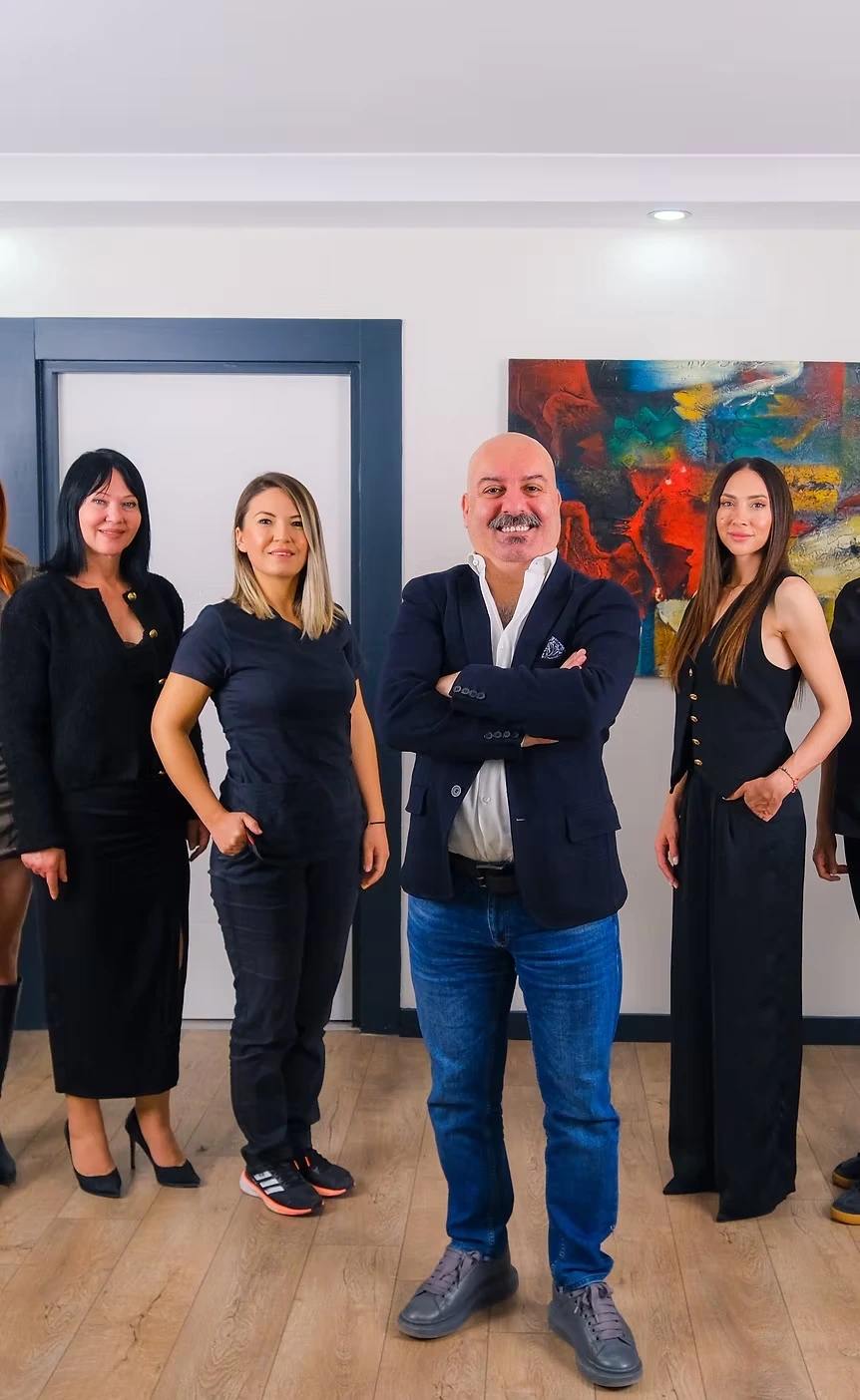
I am Dr Gökhan Özerdem, Specialist in Aesthetic, Plastic and Reconstructive Surgery in Antalya, Turkey. With more than 25 years of surgical experience, I perform breast augmentation for patients from Turkey and abroad.
In suitable patients, I commonly use modern round breast implants placed in a submuscular or dual-plane position, depending on the anatomy.
My approach is based on proportion rather than maximum volume.
The implant should fit your breast, chest and tissues. Your body should not be forced to accommodate an unsuitable implant.
What Is Breast Augmentation?
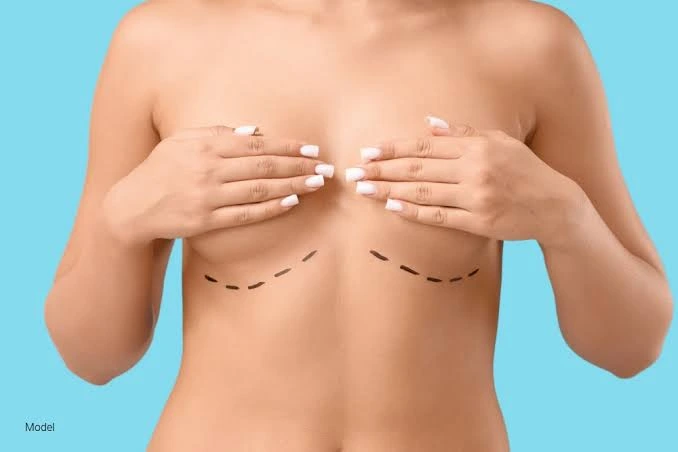
Breast augmentation, also known as augmentation mammoplasty, is surgery designed to increase breast volume and improve breast shape using breast implants.
Patients may consider breast augmentation because of:
- Naturally small breasts
- Loss of breast volume after pregnancy
- Changes after breastfeeding
- Loss of volume following weight loss
- Breast asymmetry
- Reduced upper-pole fullness
- Desire for greater breast volume
- Changes in breast shape associated with ageing
However, increasing volume is only one part of the operation.
Breast augmentation must also consider:
- Breast width
- Chest dimensions
- Existing breast tissue
- Skin elasticity
- Nipple position
- Breast asymmetry
- Degree of sagging
- Implant position
- Implant dimensions
The correct operation begins with analysing the breast rather than choosing a cup size.
About Dr. Gökhan Özerdem
Specialist Plastic Surgeon in Antalya, Turkey
I am Dr Gökhan Özerdem, Specialist in Aesthetic, Plastic and Reconstructive Surgery, practising in Antalya, Turkey.
My professional background includes:
- More than 25 years of surgical experience
- Thousands of aesthetic and reconstructive surgical procedures
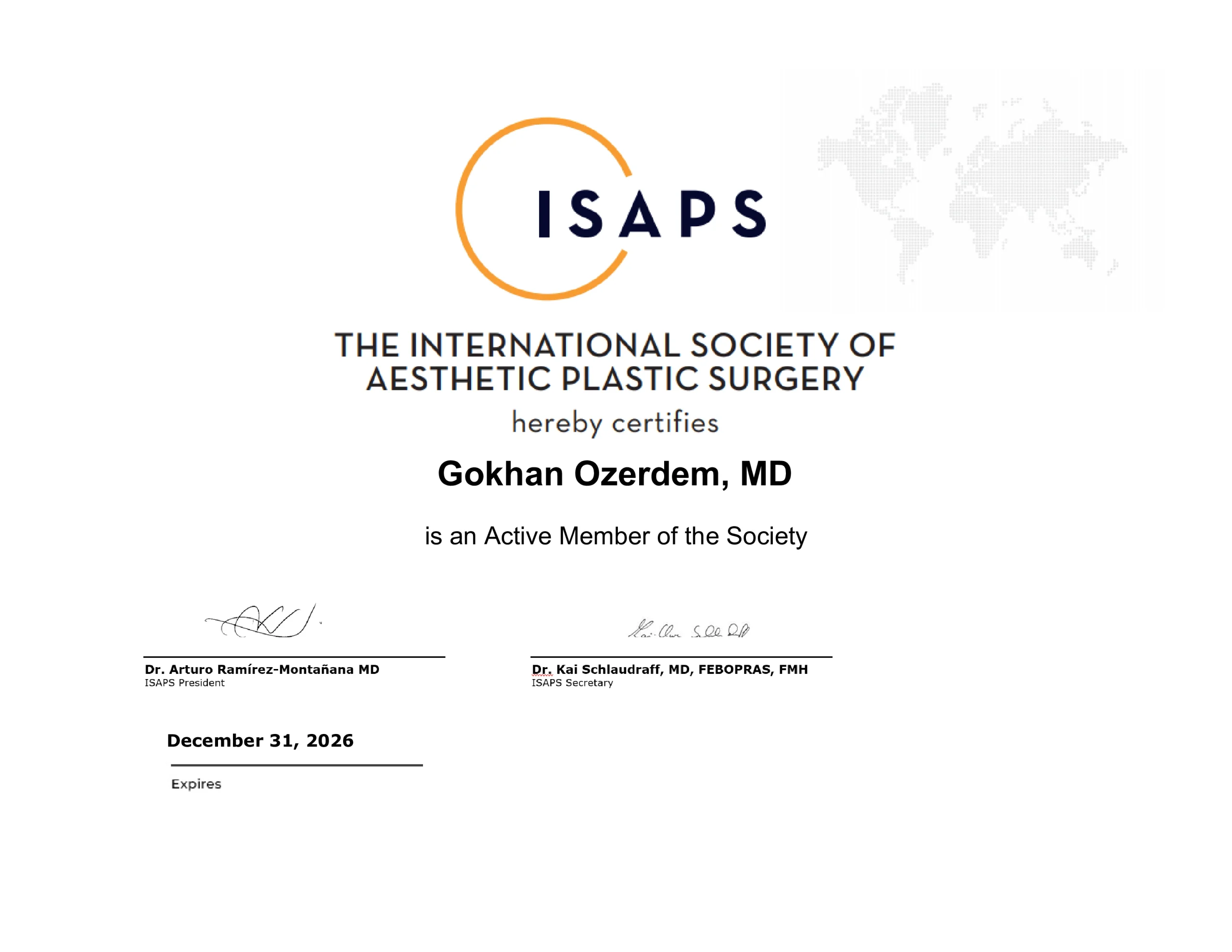
- Member of the International Society of Aesthetic Plastic Surgery (ISAPS)
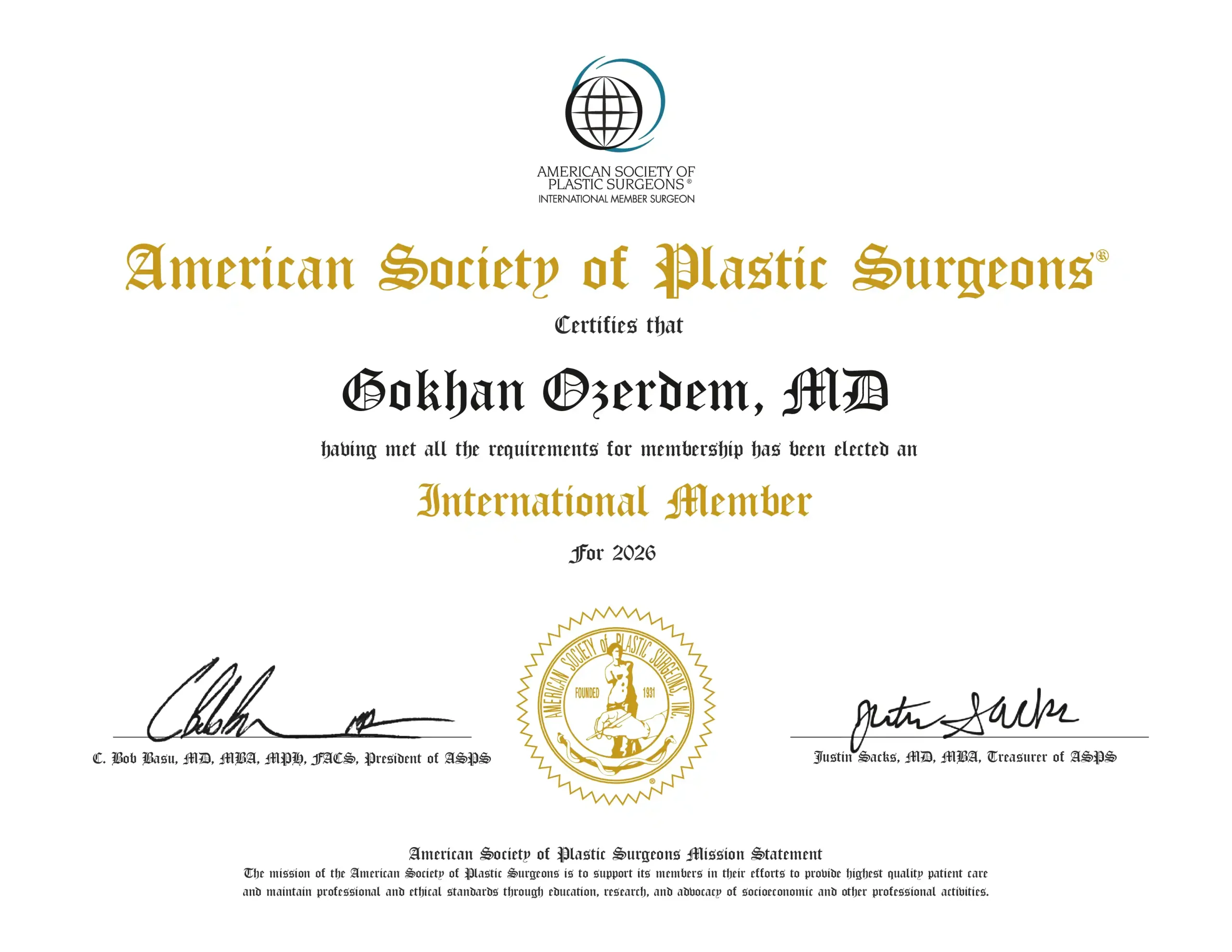
- Member of the American Society of Plastic Surgeons (ASPS)
- Member of the Turkish Society of Plastic, Reconstructive and Aesthetic Surgeons
- Member of the Turkish Society of Aesthetic Plastic Surgery
- Professional medical experience and licensing in Dubai
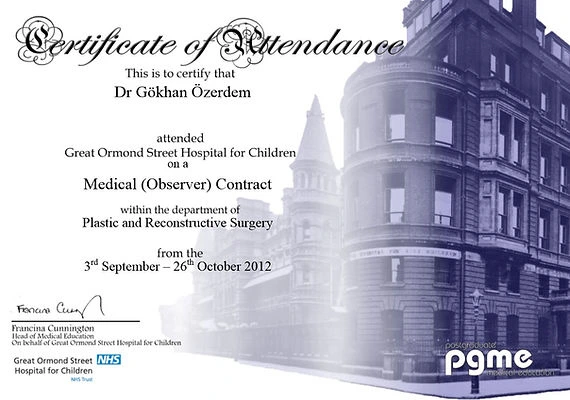
- Observer experience at Great Ormond Street Hospital for Children, London, UK
- Gamma Probe Course at Castle Hill Hospital, Hull, UK
- Oral and poster presentations at national and international scientific congresses
- Session chairmanship at the Turkish National Plastic Surgery Congress
- International scientific publications and academic work
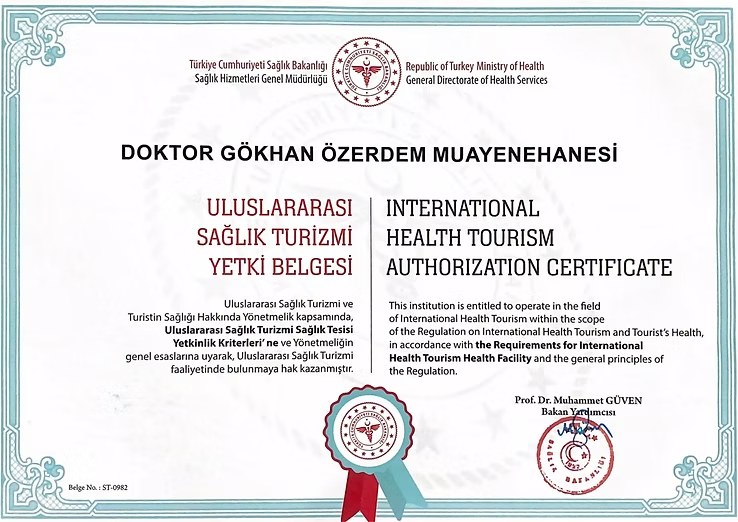
- Authorised to provide services to international patients under the relevant Turkish Ministry of Health International Health Tourism framework
Major surgical procedures are performed in fully equipped hospital facilities in Antalya with appropriate anaesthesia and medical support.
My Approach to Breast Augmentation
I do not believe that every patient should receive the same implant or the same surgical plan.
Before recommending an implant, I assess:
- Chest width
- Breast base width
- Existing breast volume
- Skin thickness
- Soft-tissue coverage
- Breast symmetry
- Nipple position
- Degree of breast ptosis
- Patient height and body proportions
- Desired change in volume and shape
These factors help determine which implant dimensions and surgical approach may be appropriate.
Breast augmentation should create breasts that belong to the patient’s body rather than breasts that look as though an implant has simply been added.
Choosing the Right Breast Implant Size
Bigger Is Not Always Better
One of the first questions patients ask is:
‘How many cc should I have?’
Implant volume is important, but the number of cubic centimetres alone does not determine the final appearance.
The same implant volume can look very different in two patients because their:
- Chest widths differ
- Breast dimensions differ
- Existing breast tissue differs
- Skin elasticity differs
- Body proportions differ
For this reason, I do not select implants according to volume alone.
The implant must fit the dimensions of the breast and the capacity of the surrounding tissues.
Your Breast Augmentation Journey in Antalya
1. Preliminary Assessment
You provide your medical history, photographs and relevant breast information.
2. Consultation in Antalya
I examine your breasts and chest, assess tissue quality and take the measurements required for surgical planning.
3. Implant Selection
We discuss implant dimensions, expected volume, implant position and the limitations imposed by your anatomy.
4. Surgery
Your breast augmentation is performed under general anaesthesia in a fully equipped hospital.
5. Early Recovery
My team and I monitor your recovery during your stay in Antalya.
6. Returning Home
Once your recovery allows you to travel safely, you can return home.
7. Long-Term Follow-Up
Breast implants require long-term awareness and follow-up. Communication can continue after you return to your home country.
Why I Do Not Recommend Excessively Large Implants
Some patients request an implant that is considerably larger than their tissues can safely accommodate.
I do not consider this simply a matter of personal preference.
An excessively large implant can place additional stress on:
- Breast skin
- Supporting tissues
- Inframammary fold
- Breast shape
- Nipple position
Over time, excessive implant weight may contribute to tissue stretching and breast descent.
For this reason, I explain the anatomical limits clearly when I believe a requested implant is too large.
In some patients who ultimately want substantially greater volume, it may be more reasonable to allow the tissues to adapt and consider further enlargement later rather than forcing an excessive implant into the breast during the first operation.
The largest implant that can physically be inserted is not necessarily the implant that should be used.
Round or Anatomical Breast Implants?
Different implant shapes are available.
In my practice, I commonly prefer round implants, particularly when they are being placed beneath the muscle or using a dual-plane approach.
A modern round implant does not automatically produce an unnatural or ‘round’ breast.
The final shape depends on many factors, including:
- Existing breast anatomy
- Implant dimensions
- Implant position
- Soft-tissue coverage
- Skin elasticity
- Chest shape
I select the implant according to the patient’s anatomy rather than choosing a shape because it is marketed as more ‘natural’.
Submuscular Breast Augmentation
Breast Implants Under the Muscle
In suitable patients, I frequently place breast implants at least partly beneath the pectoralis major muscle.
This can provide additional soft-tissue coverage over the implant, particularly in patients who have relatively little natural breast tissue.
Potential advantages in selected patients include:
- Improved implant coverage
- A smoother transition in the upper breast
- Reduced visibility of implant edges
- A more natural relationship between the implant and chest wall
However, implant position should not be selected according to a single rule.
The patient’s breast anatomy determines the most appropriate surgical plane.
Dual-Plane Breast Augmentation
A dual-plane breast augmentation combines elements of submuscular and subglandular implant positioning.
The upper part of the implant receives muscle coverage, while the relationship between the lower breast tissue and muscle is modified according to the anatomy.
This approach can be useful in selected patients because it allows the operation to be adapted to the relationship between:
- Implant
- Muscle
- Existing breast tissue
- Lower breast
- Nipple position
I frequently use a submuscular or dual-plane approach, but I decide the exact plane after assessing the individual breast.
There is no single implant pocket that is correct for every patient.
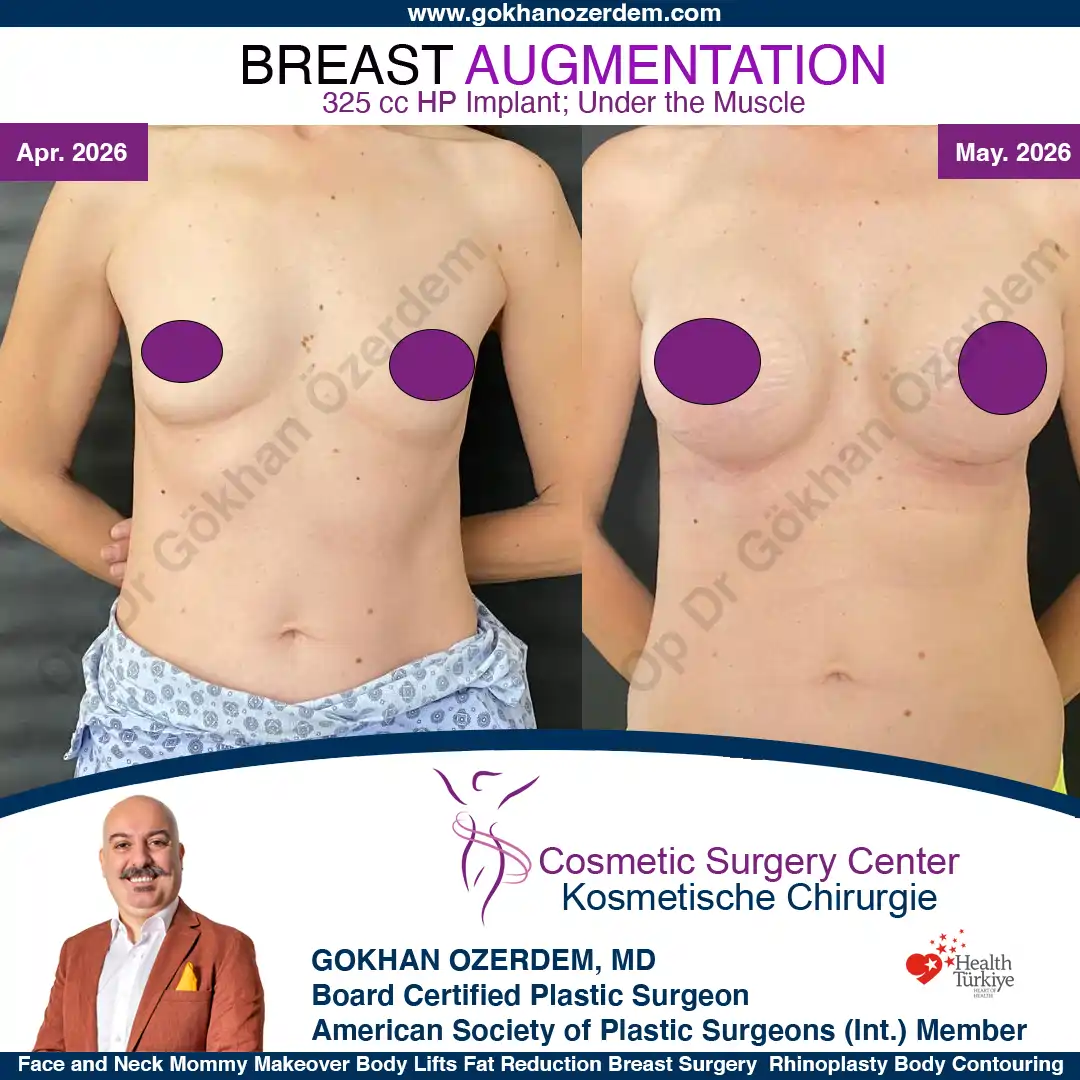
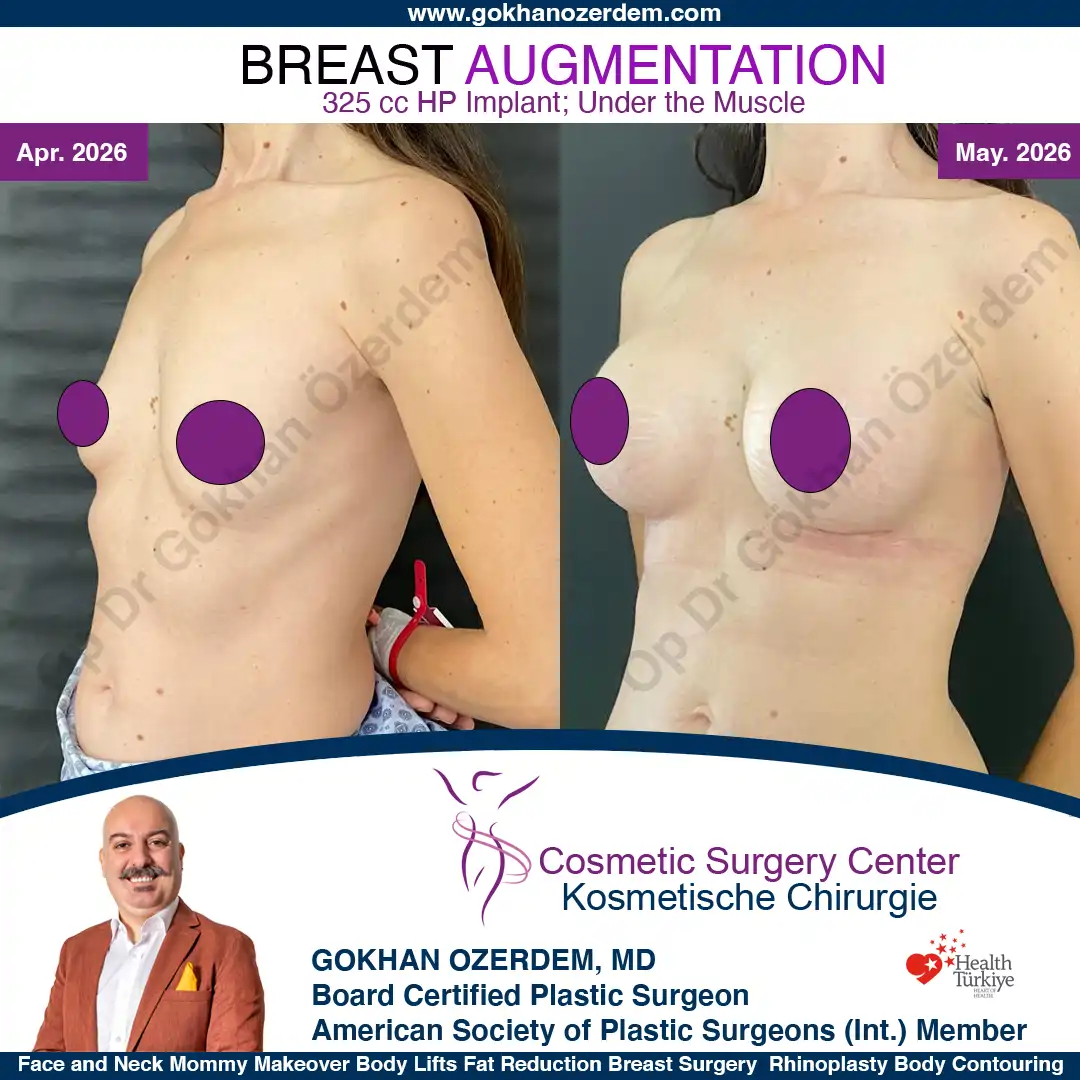
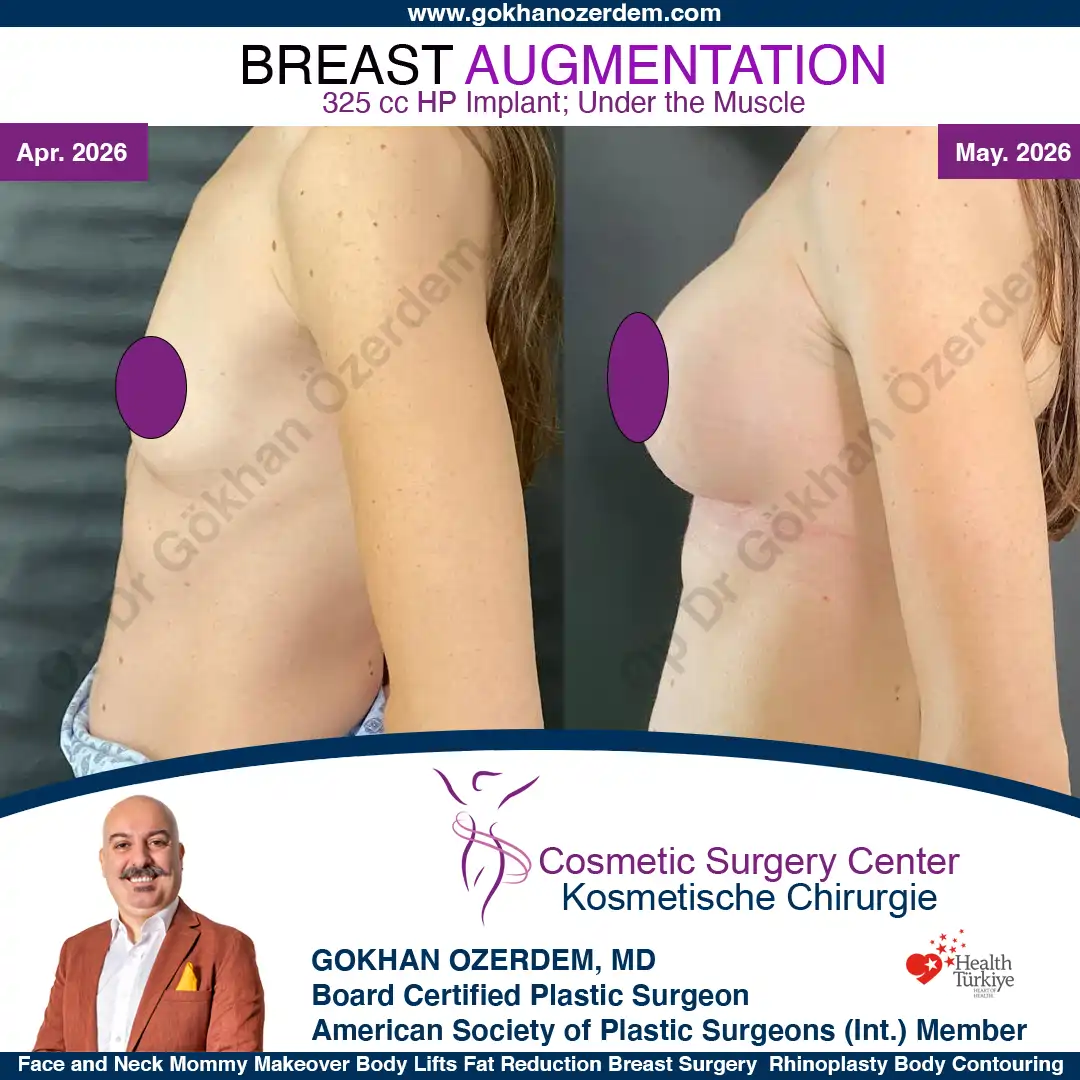
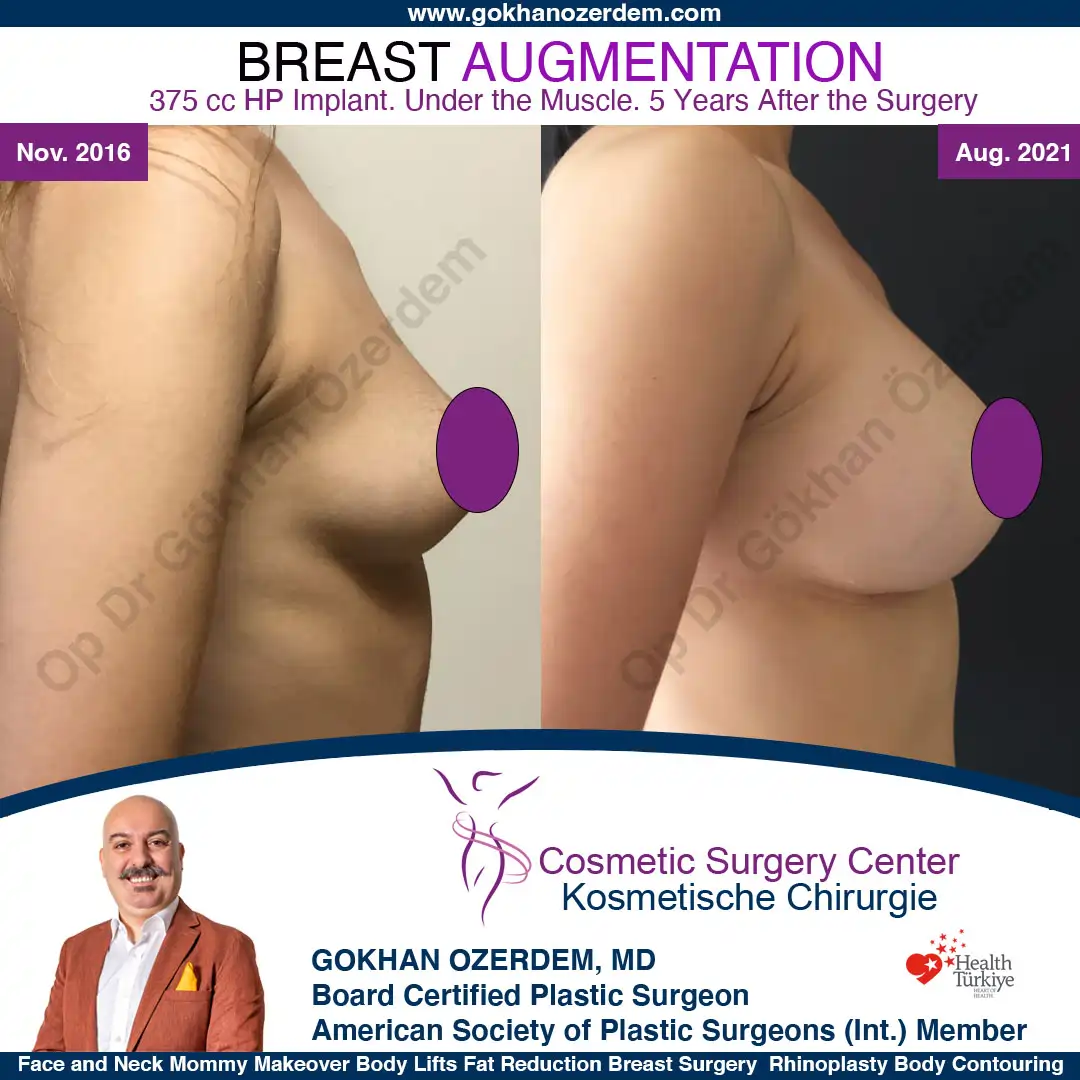
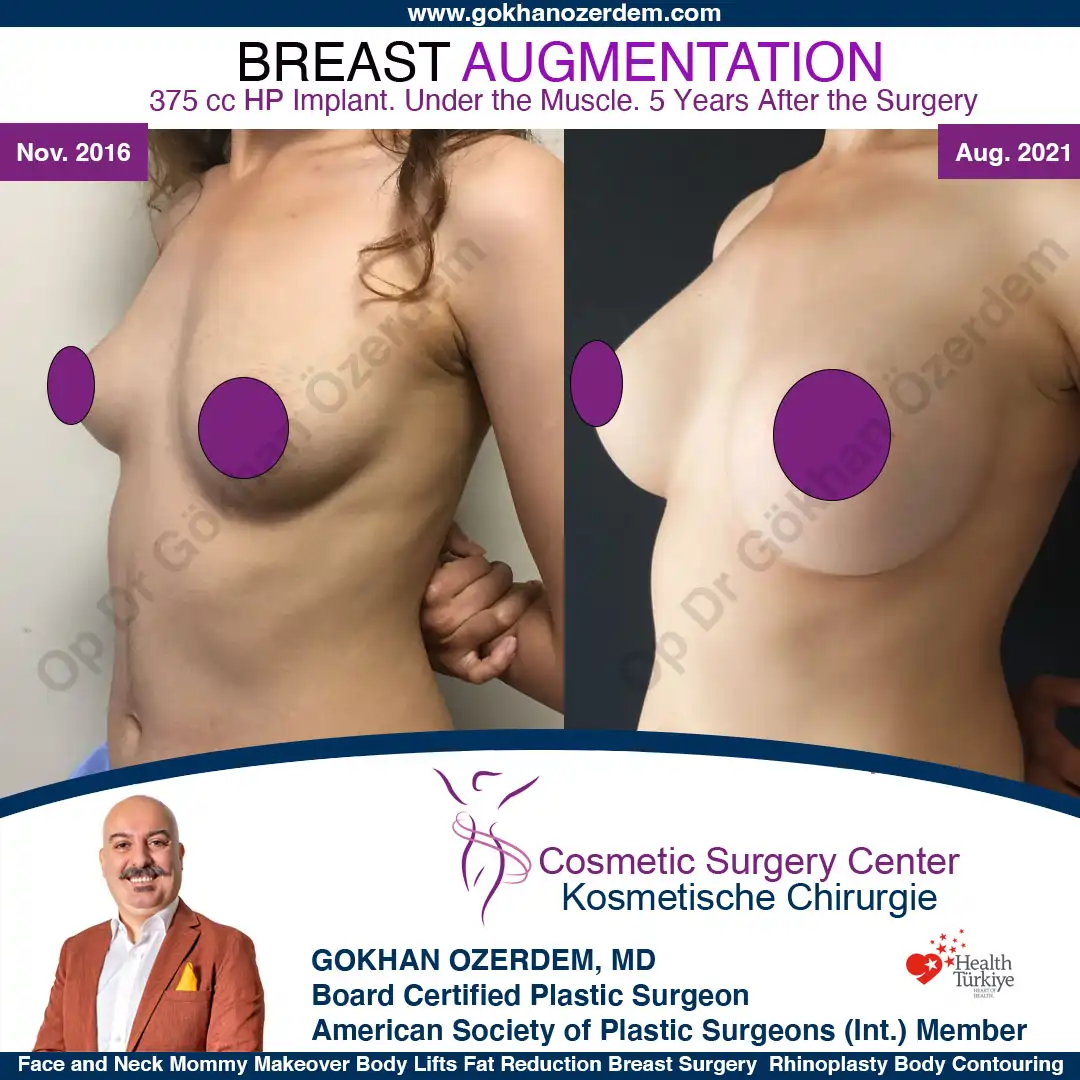
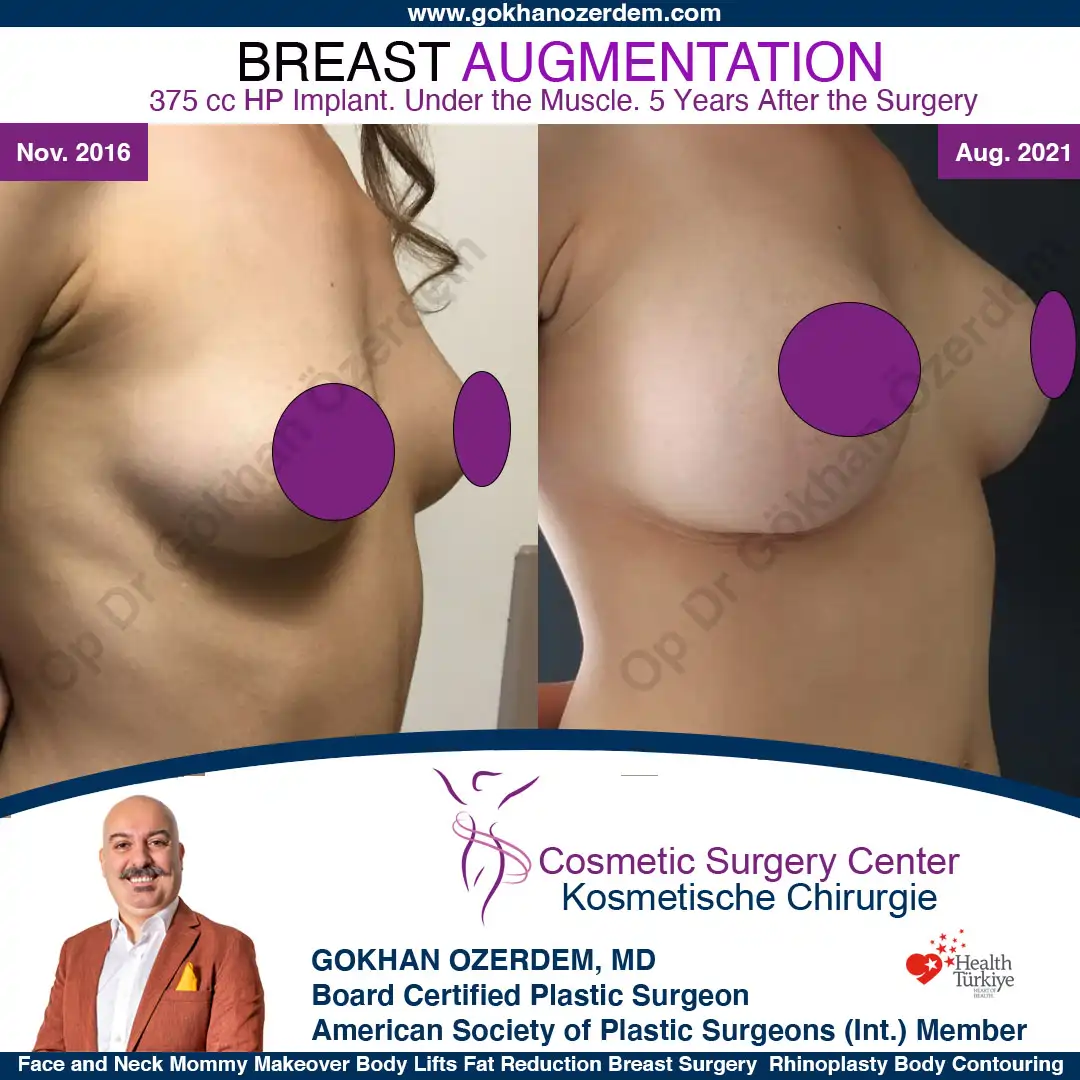
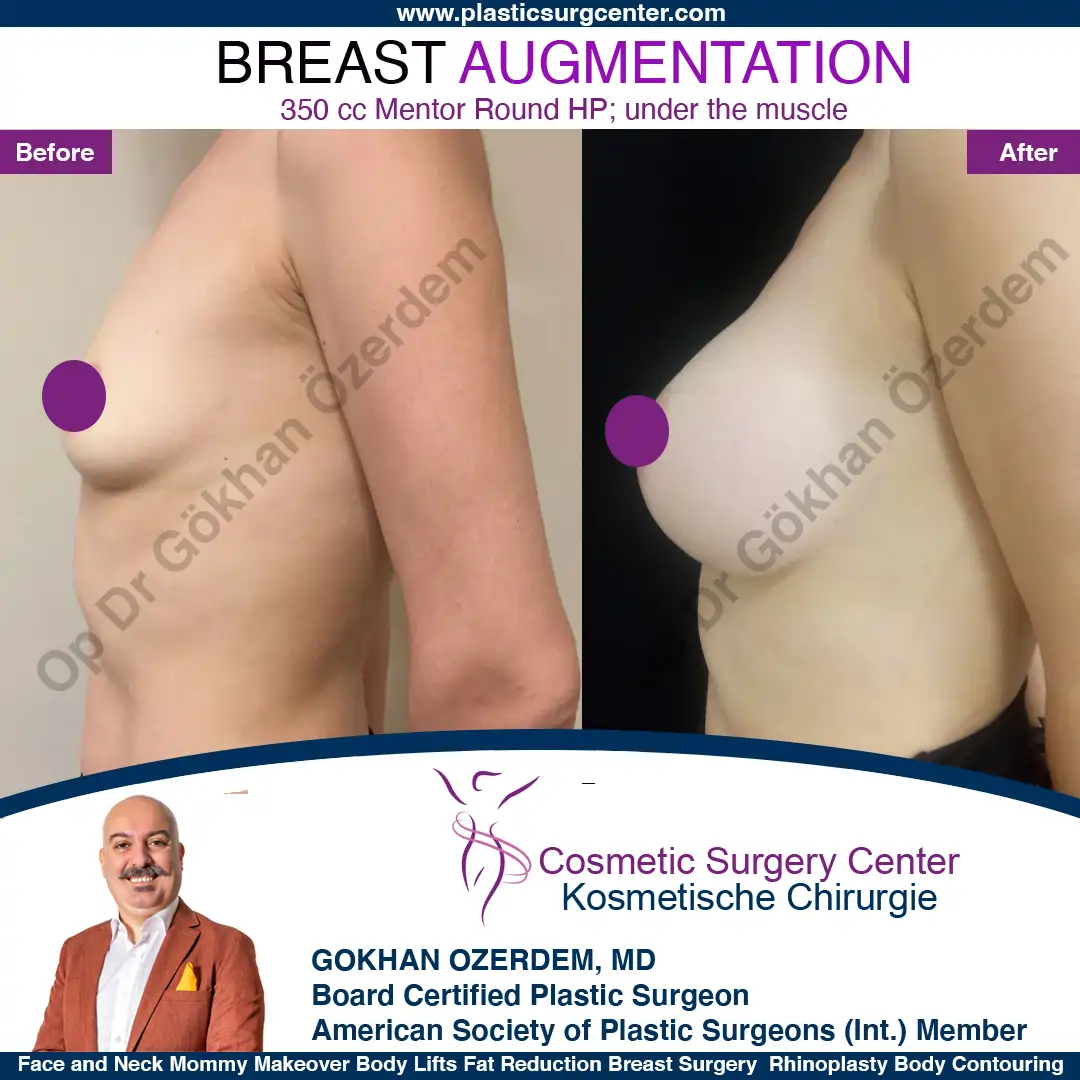
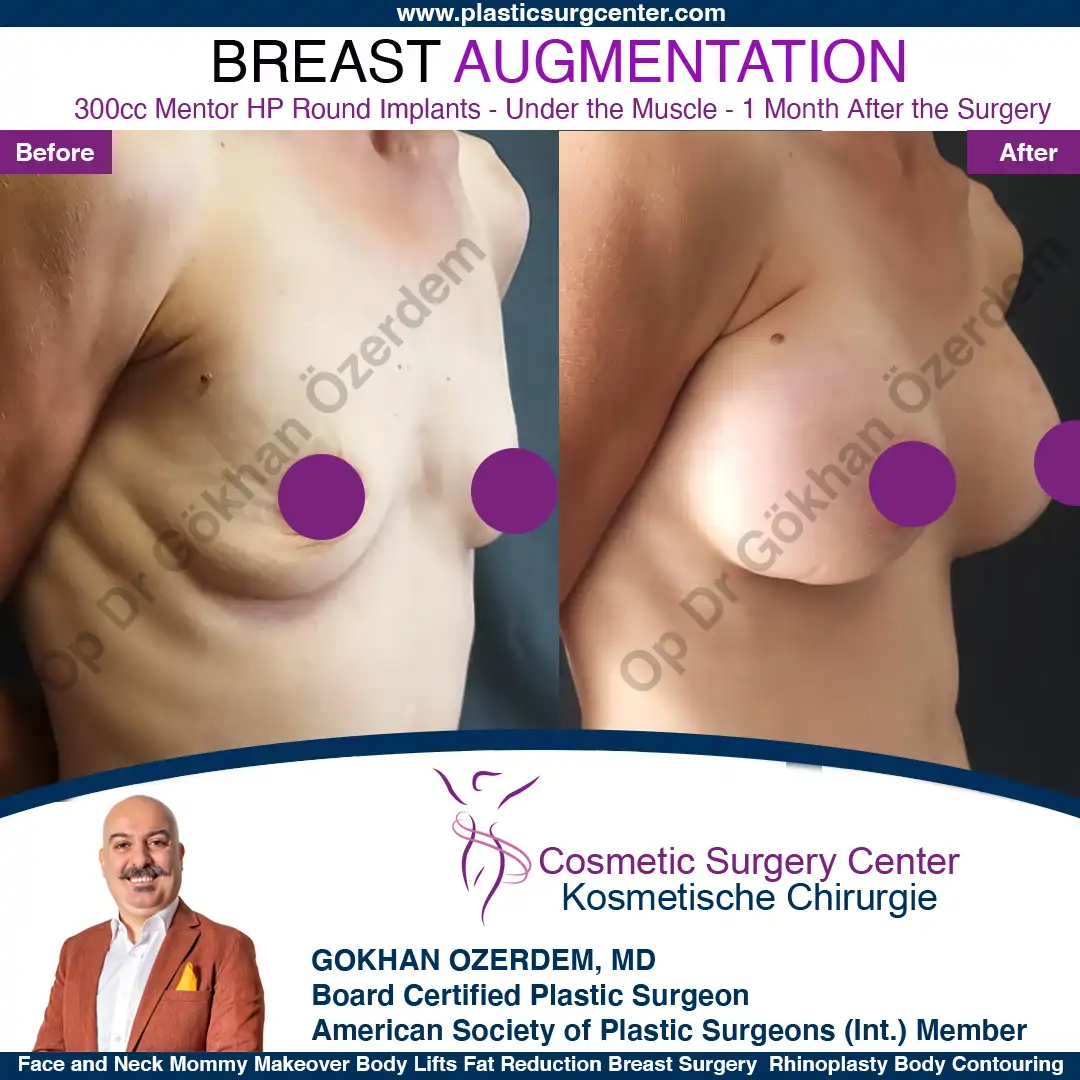
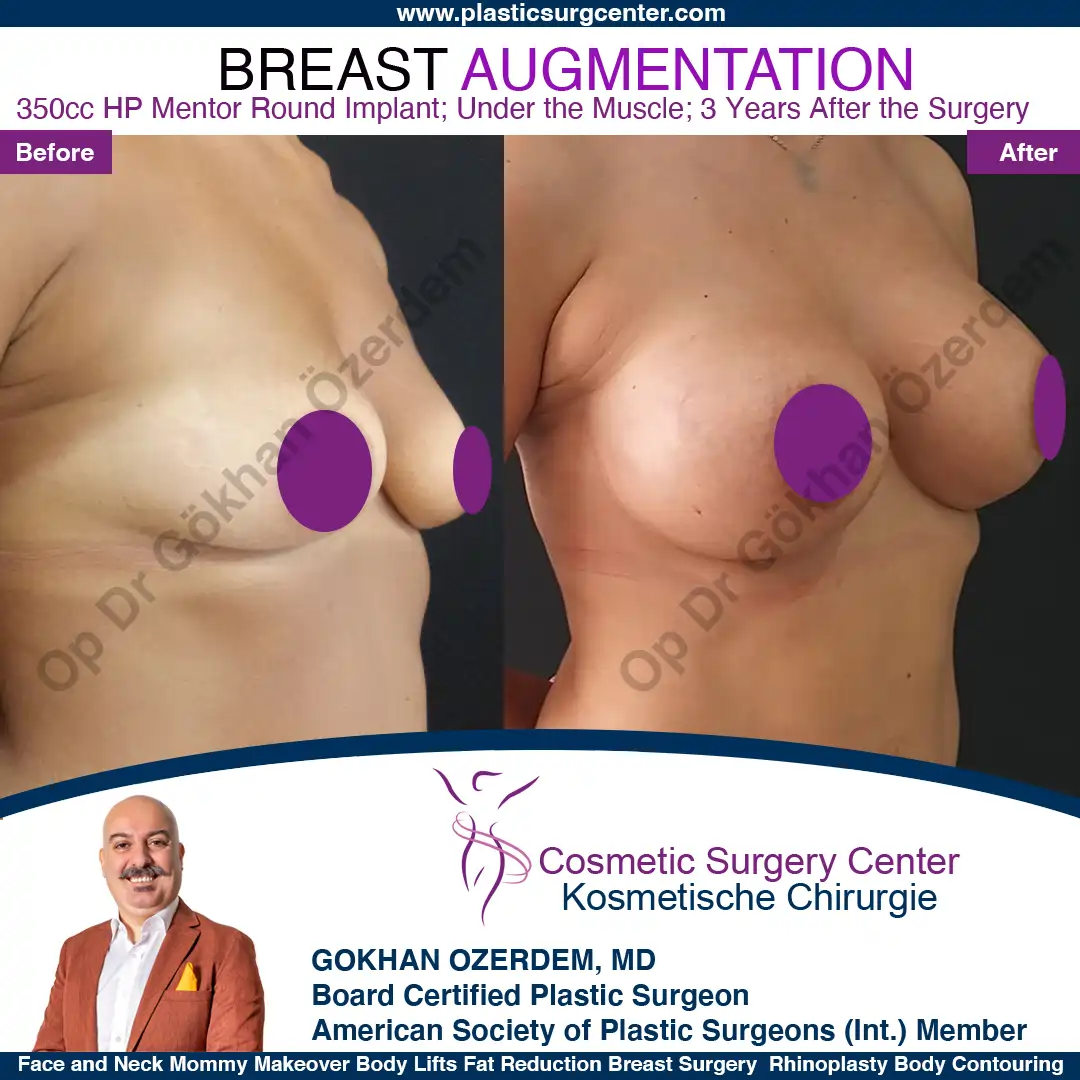
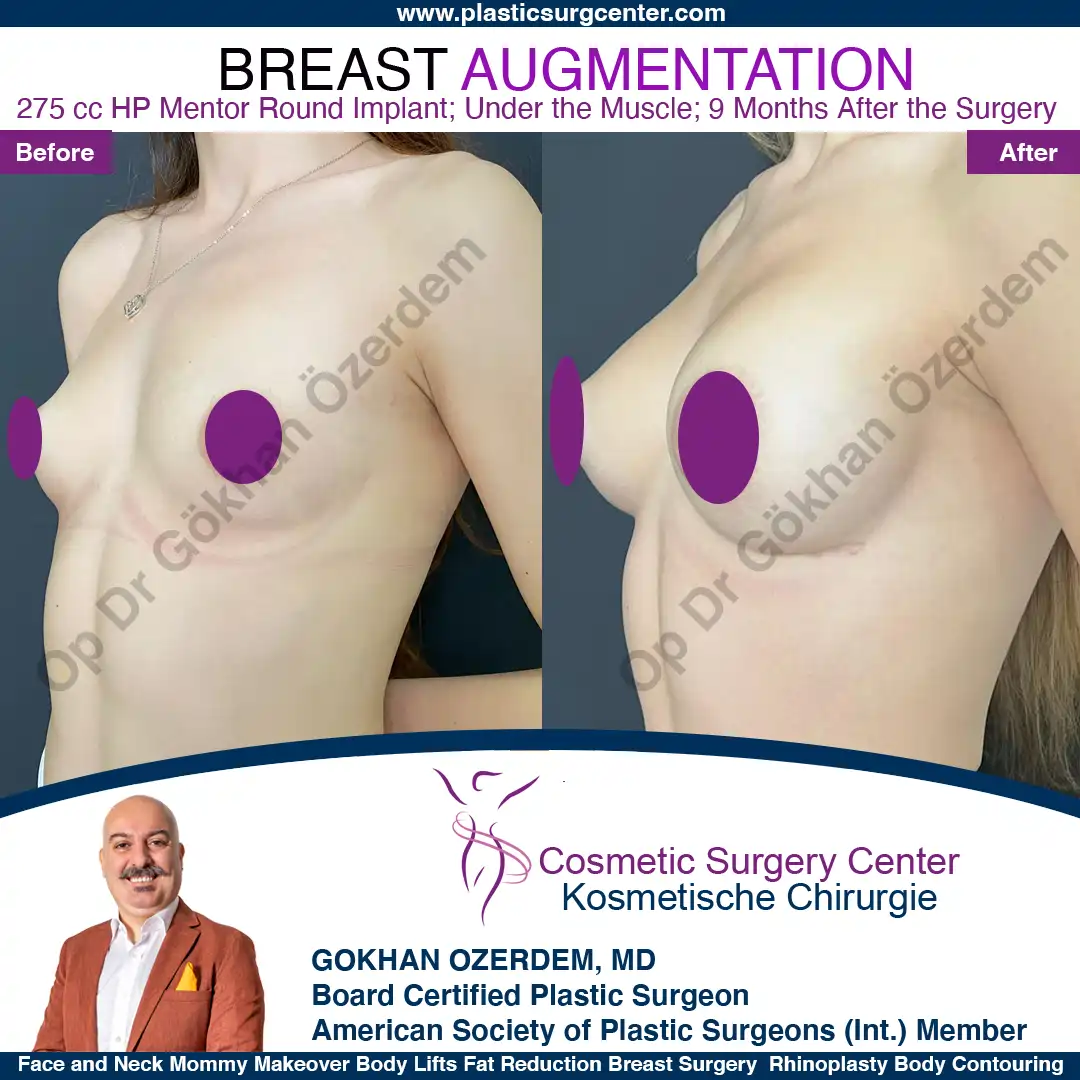
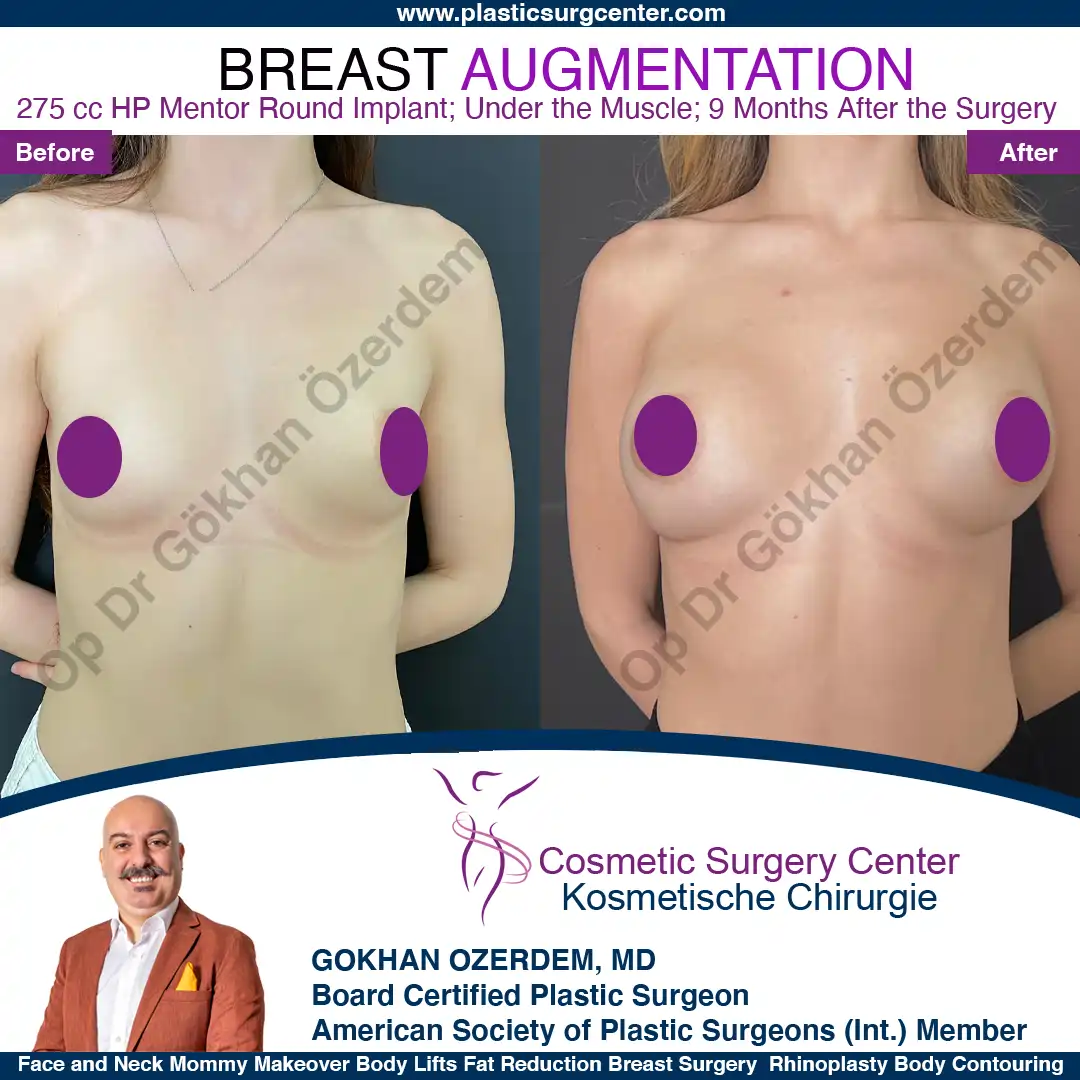
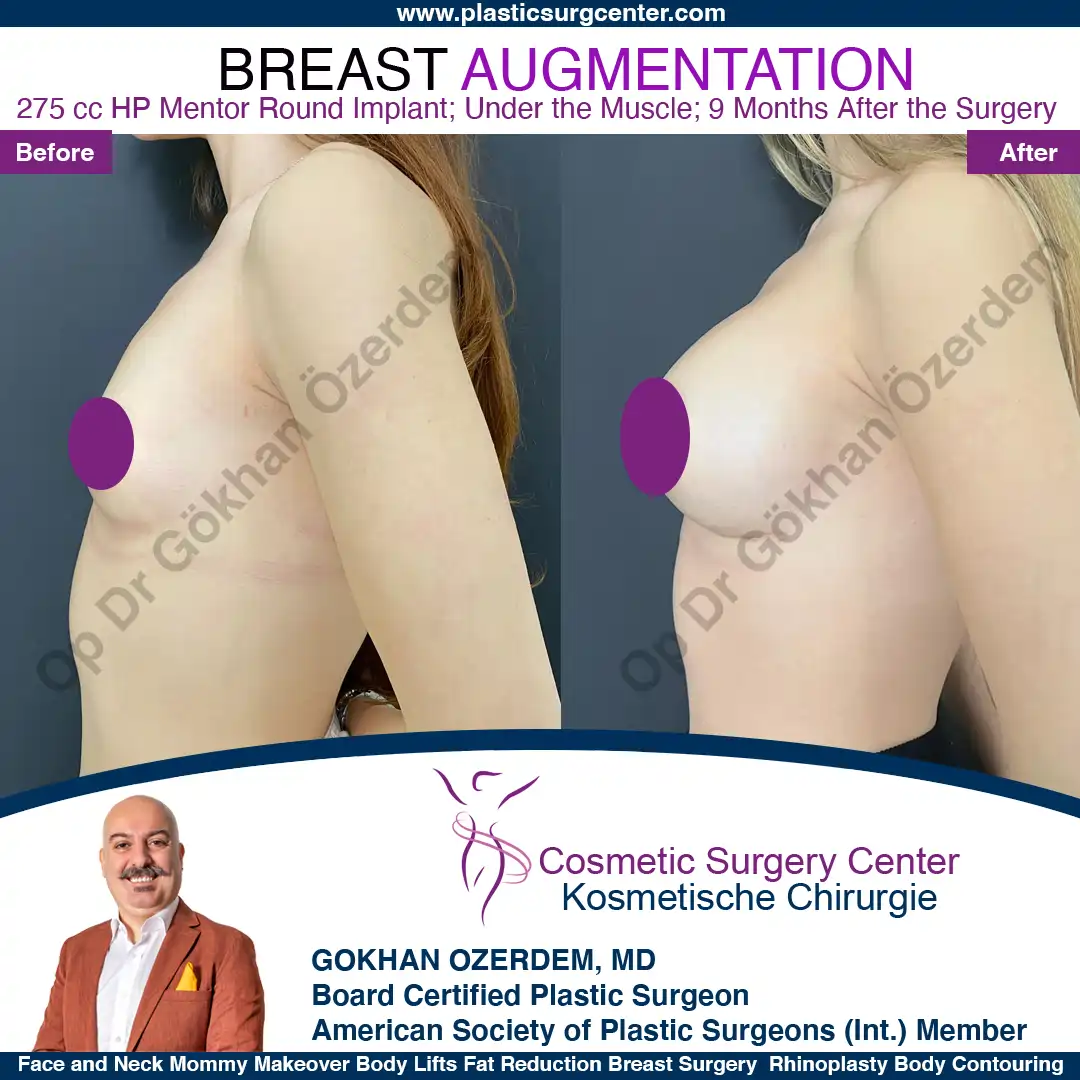
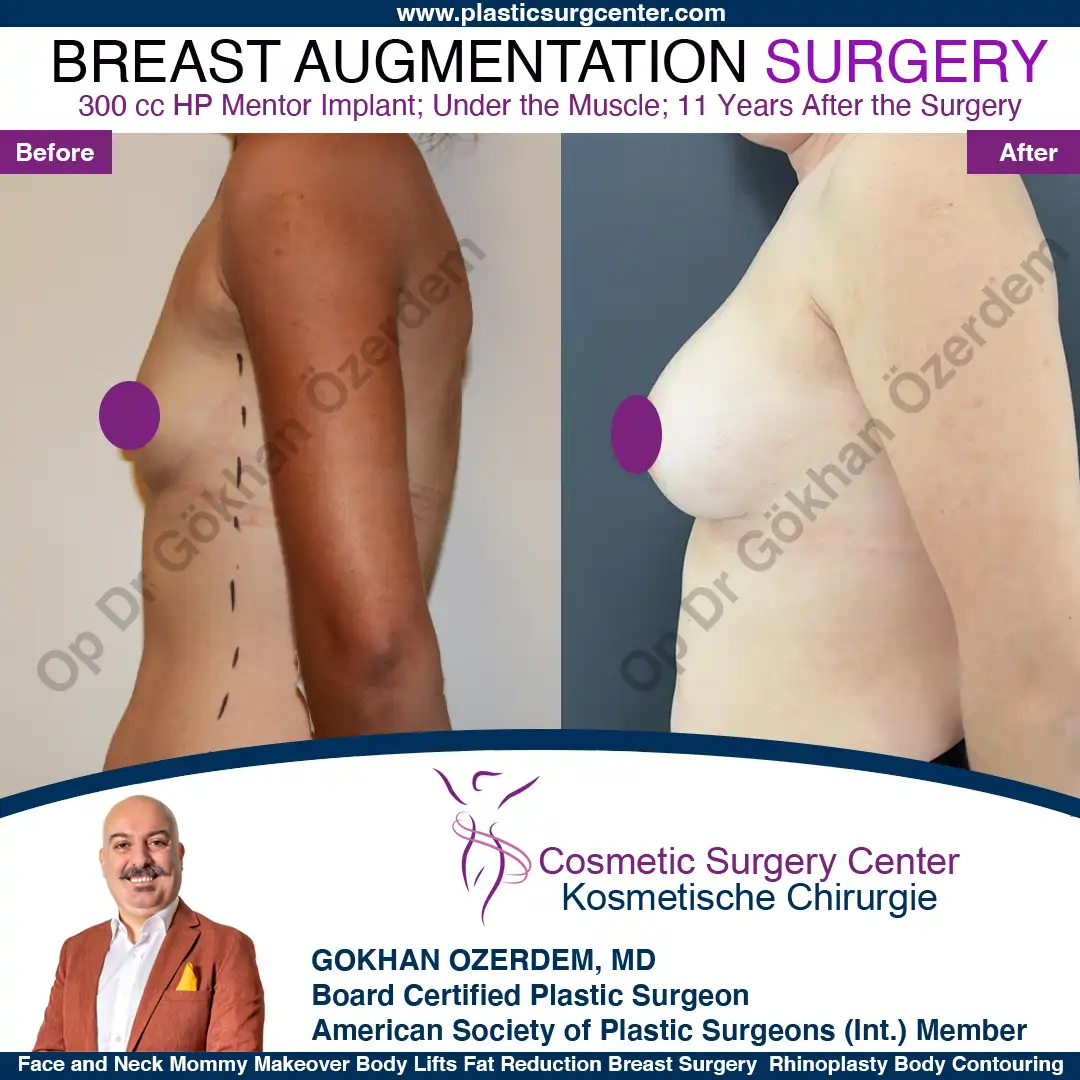
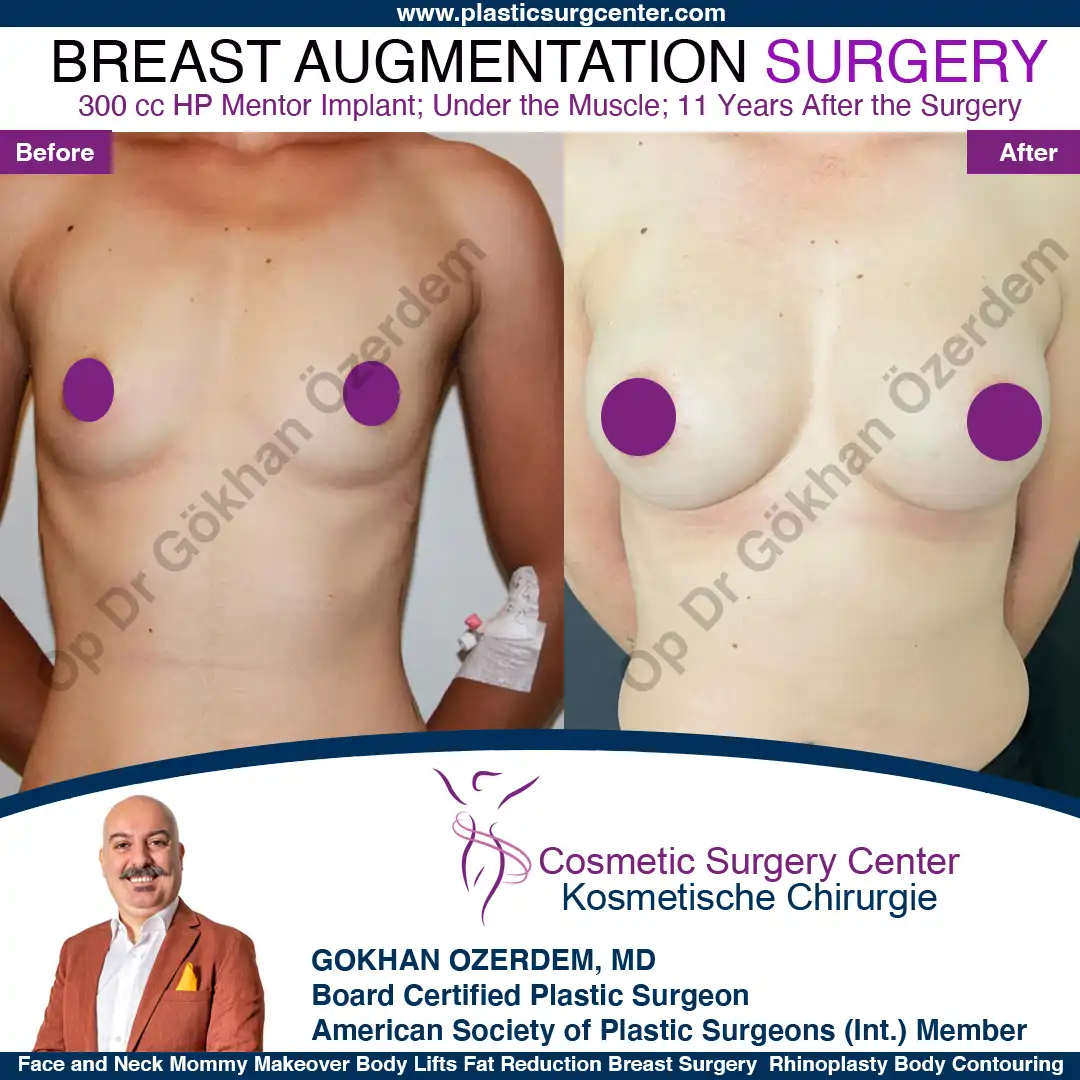
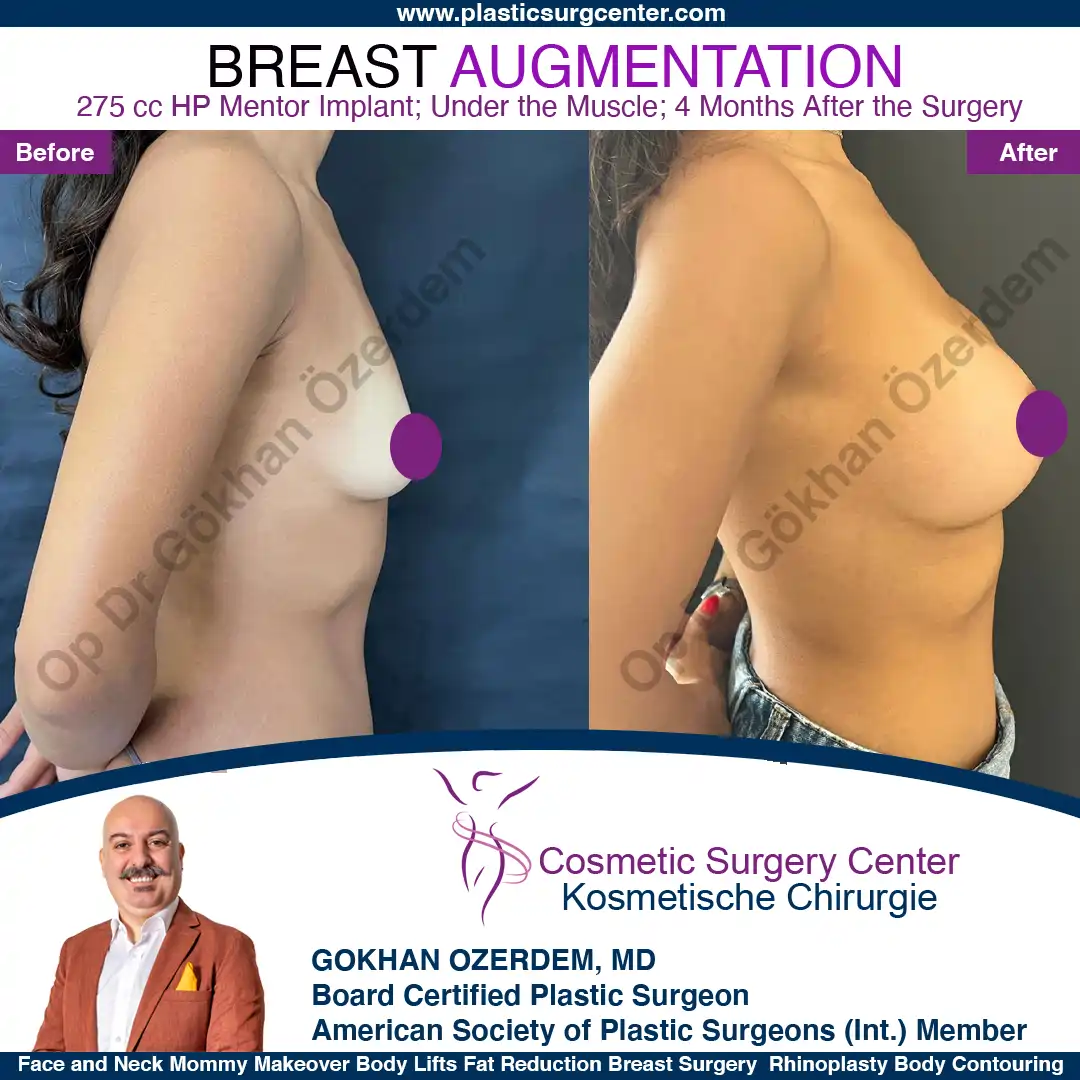
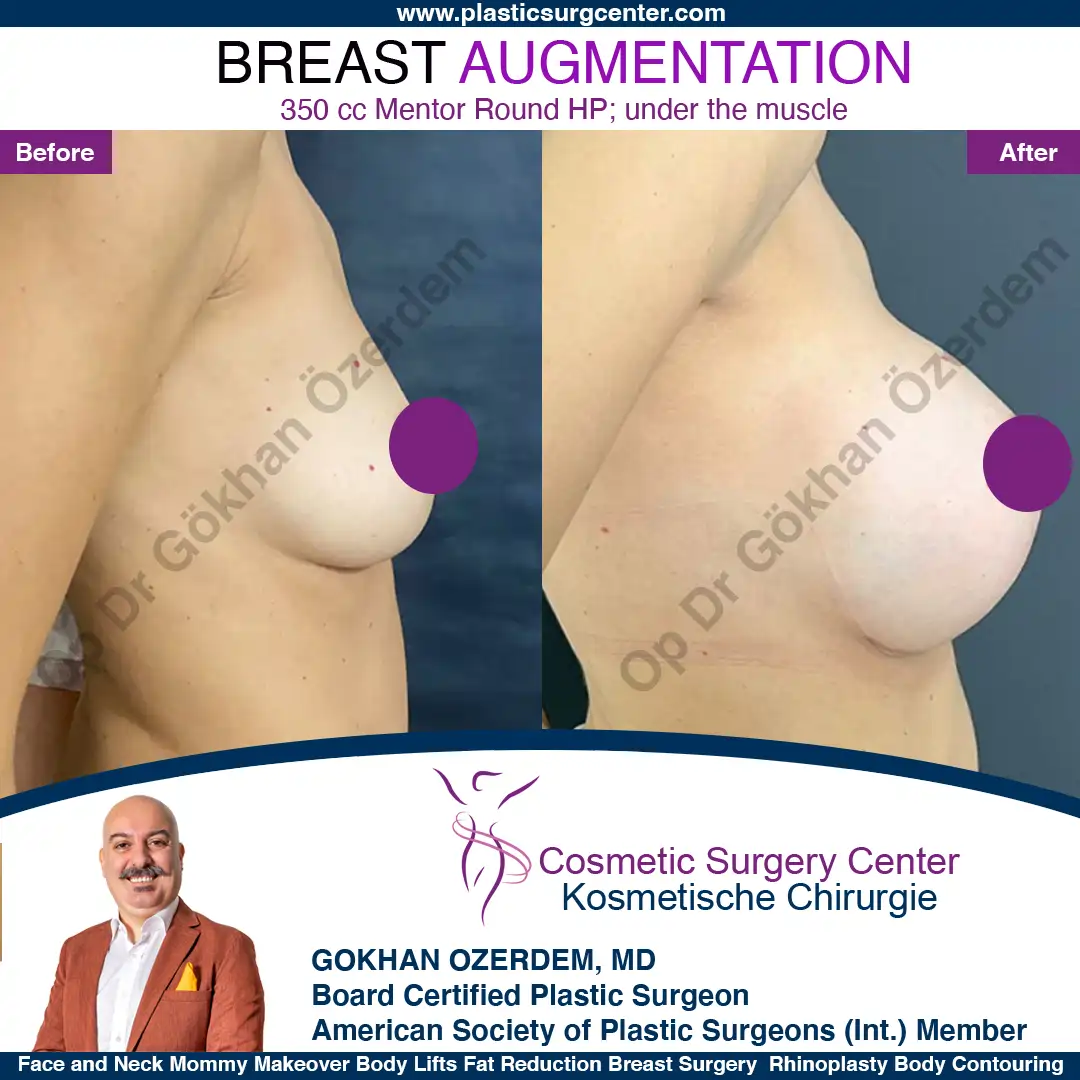
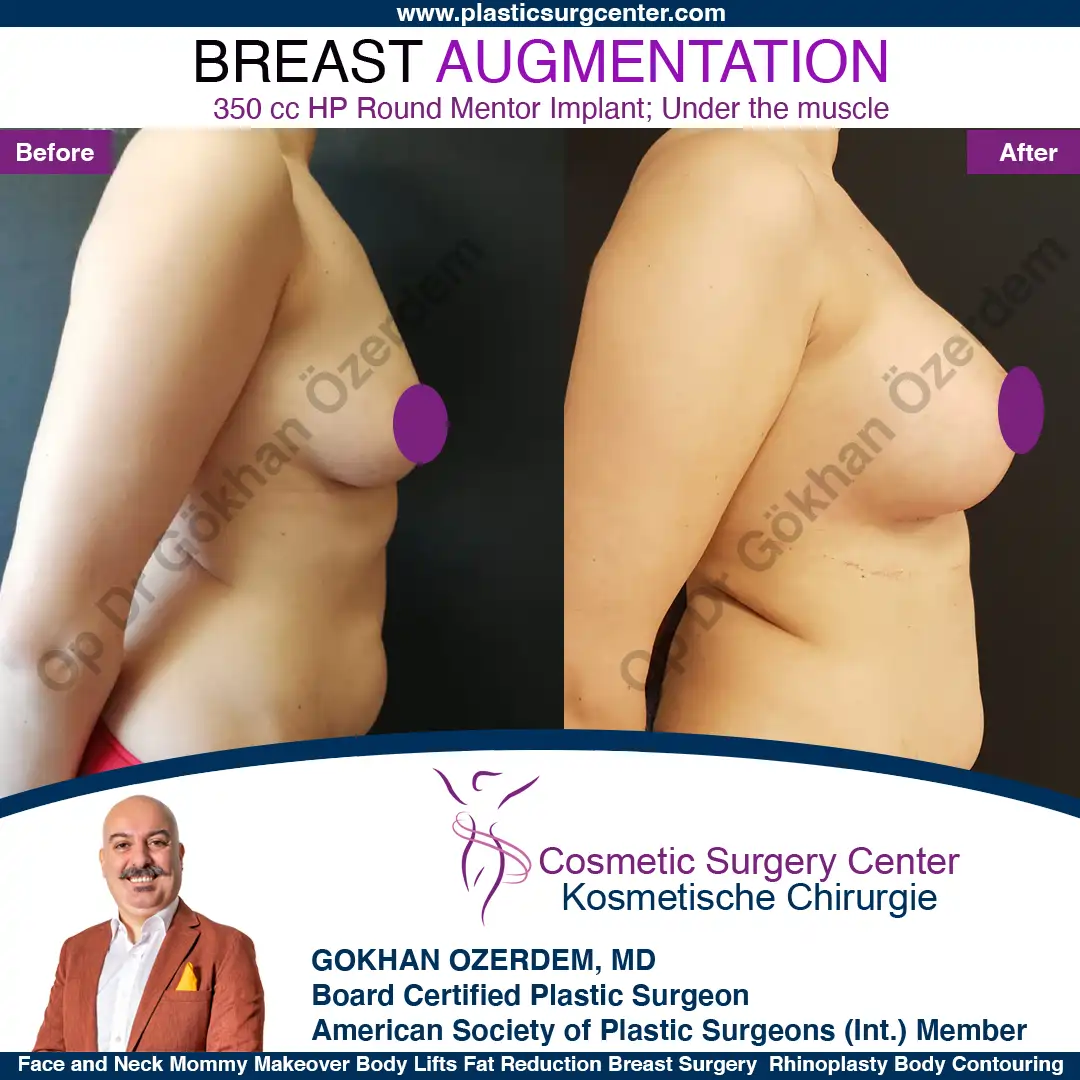
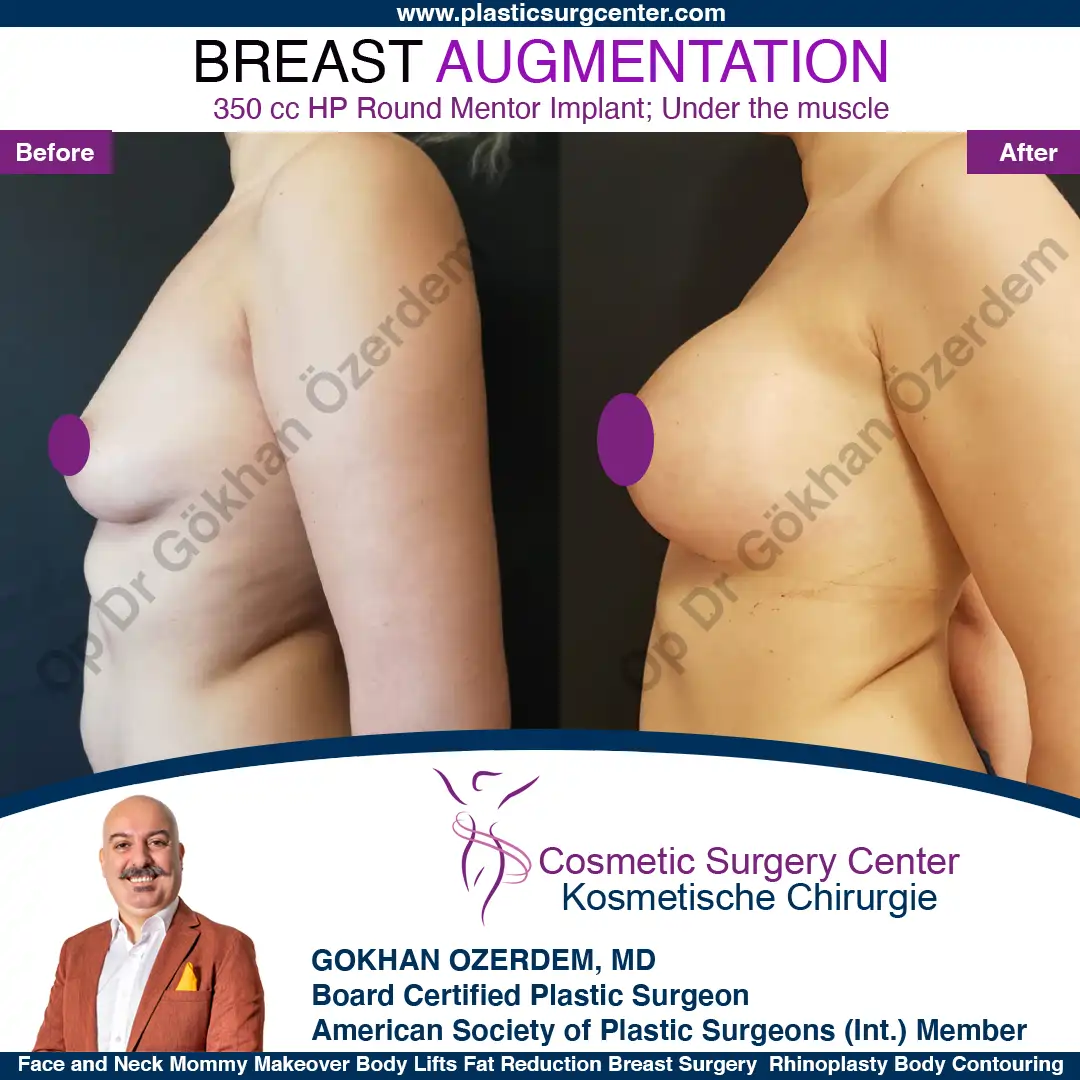
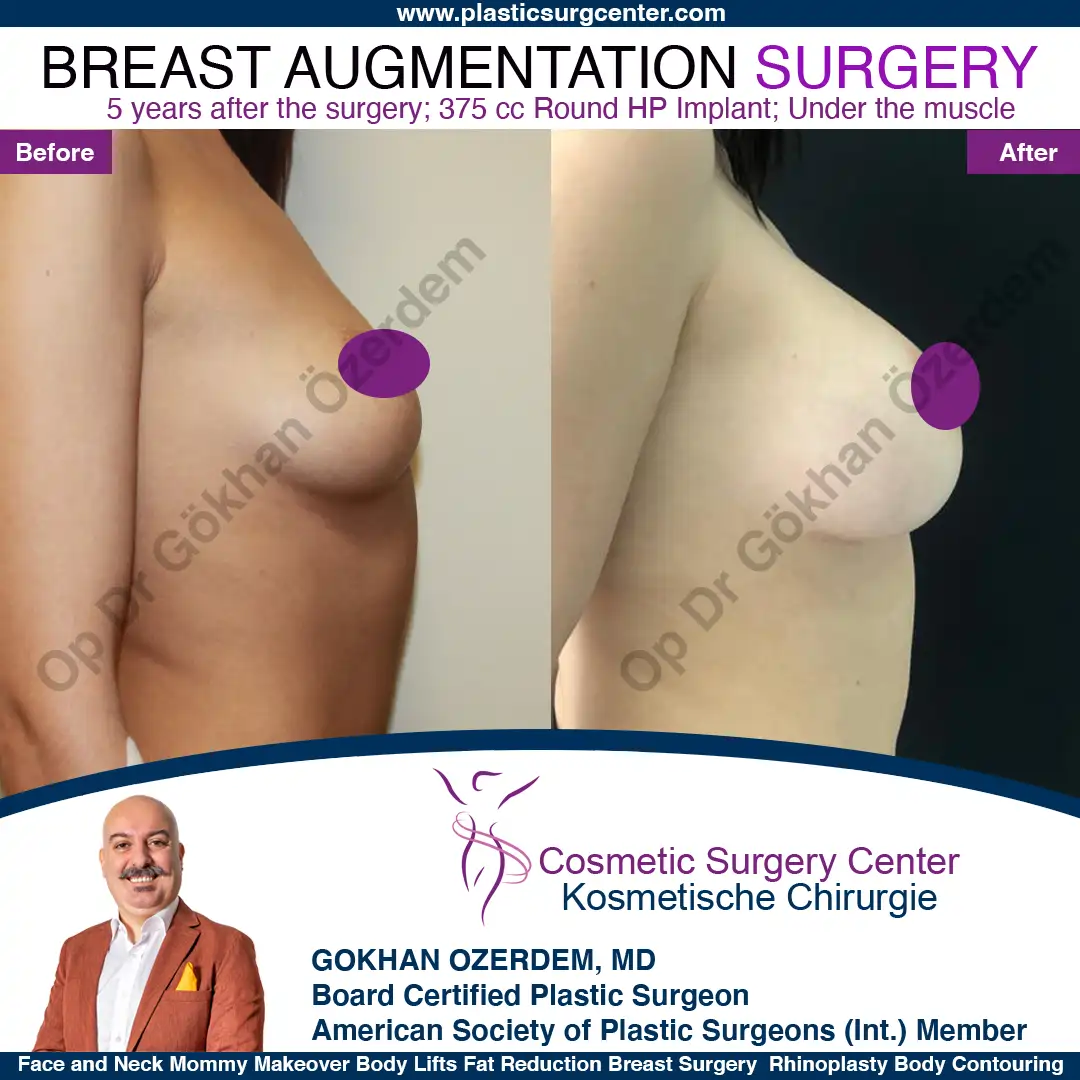
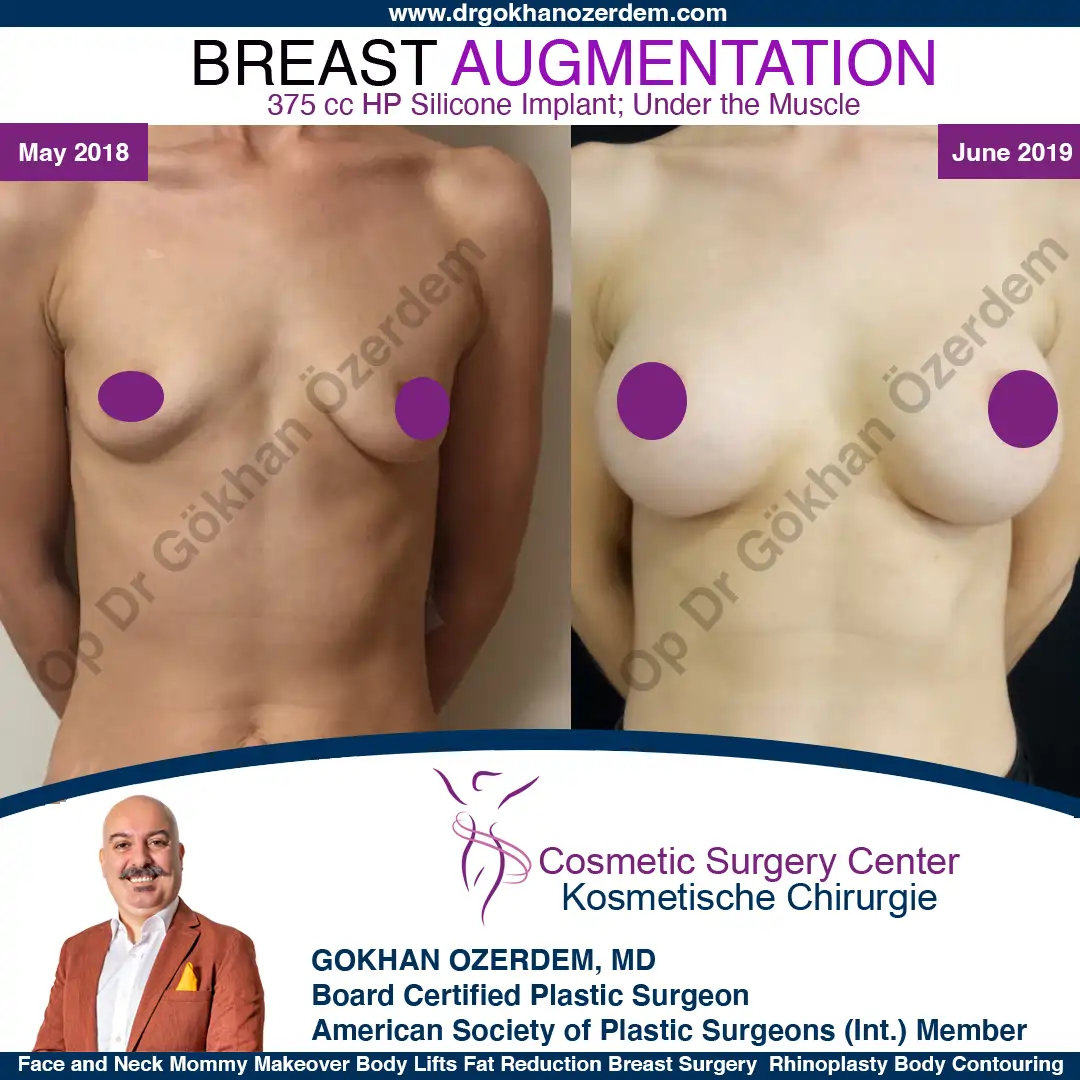
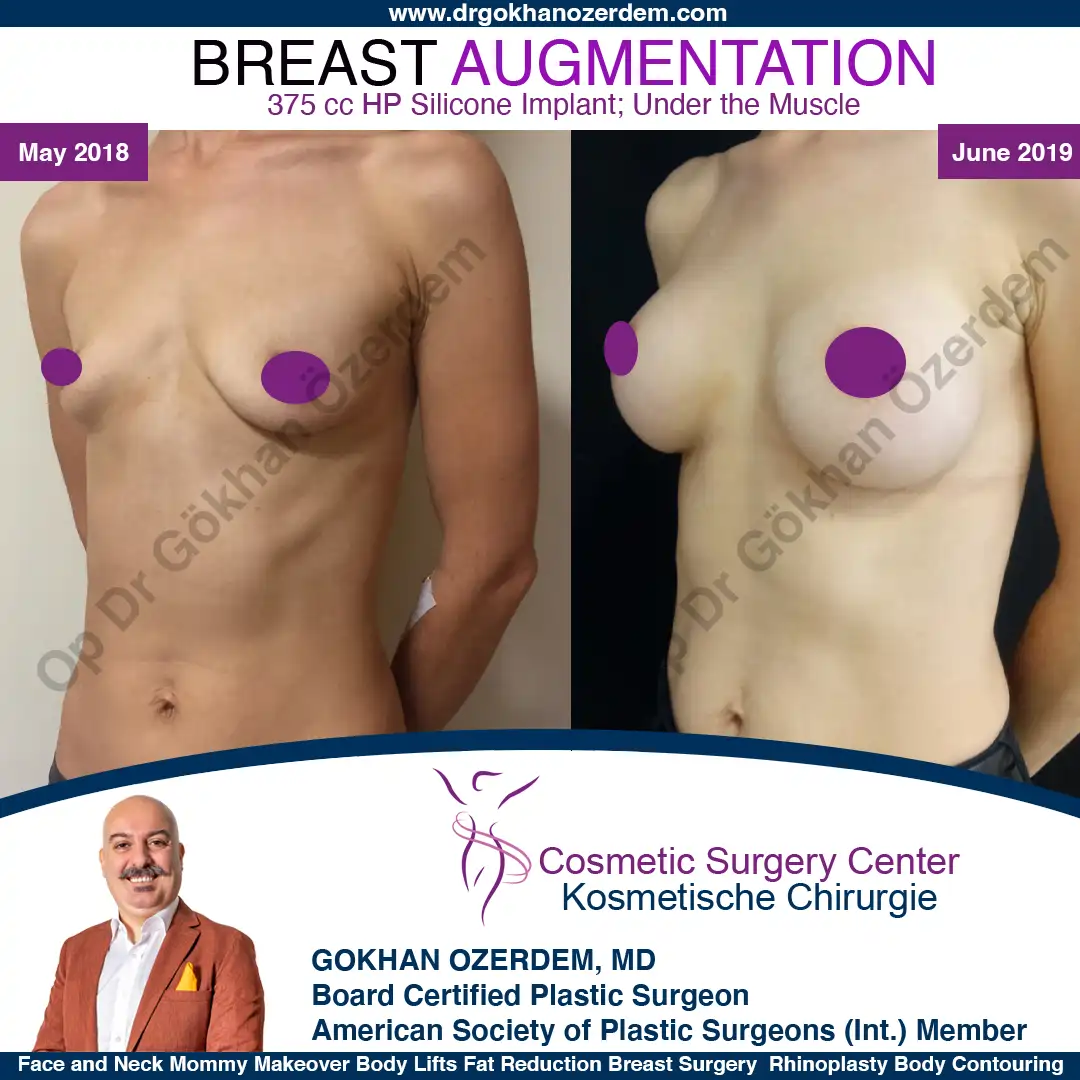
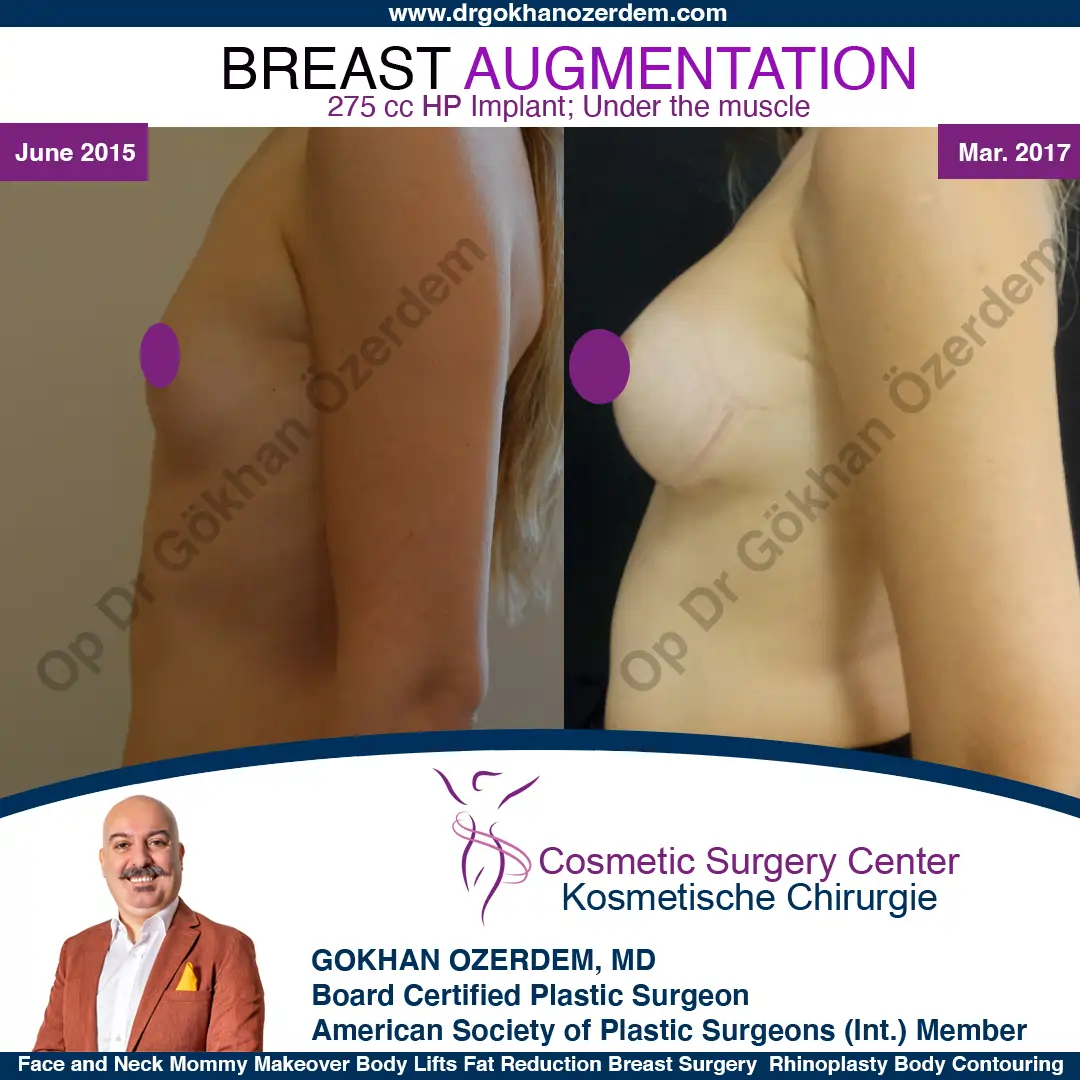
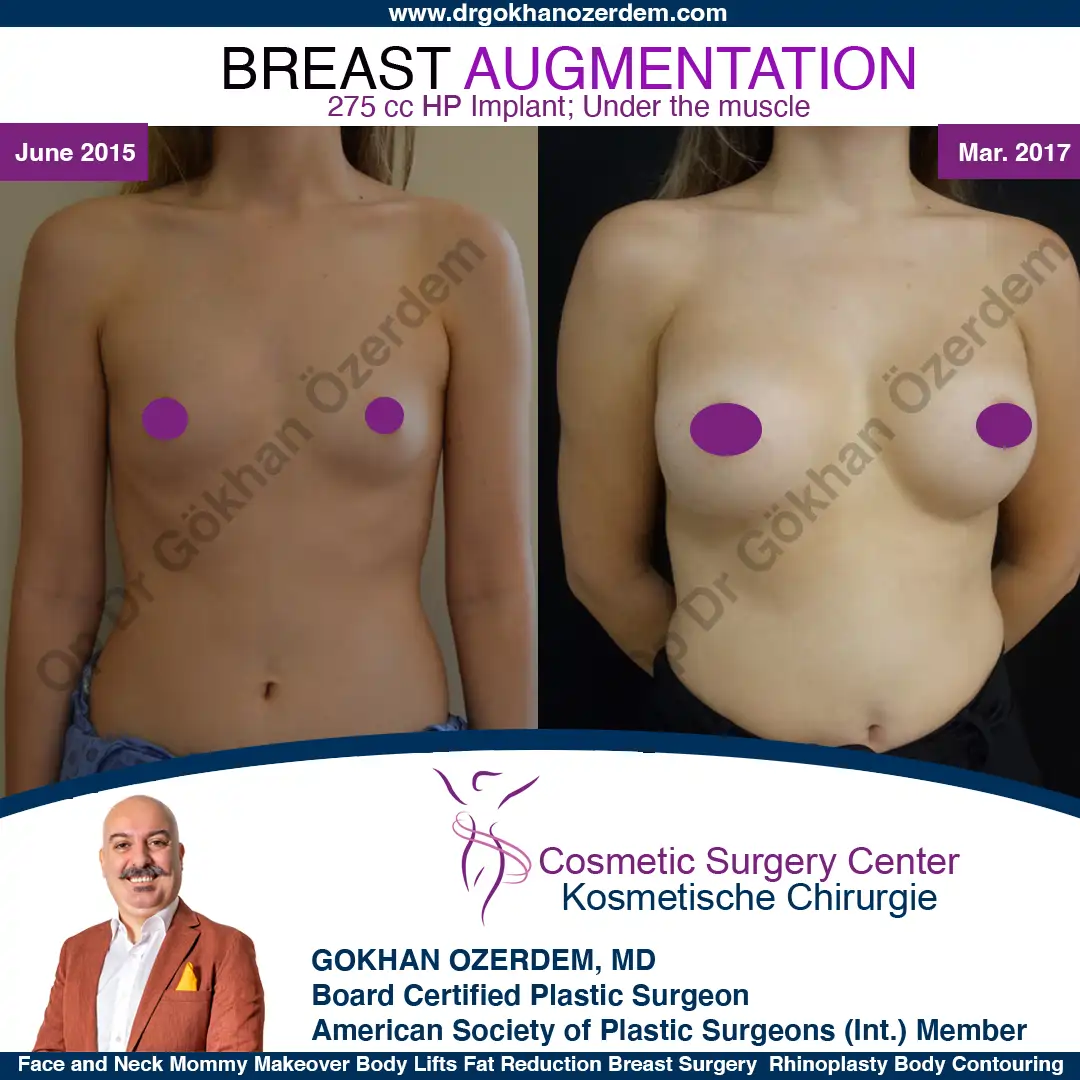
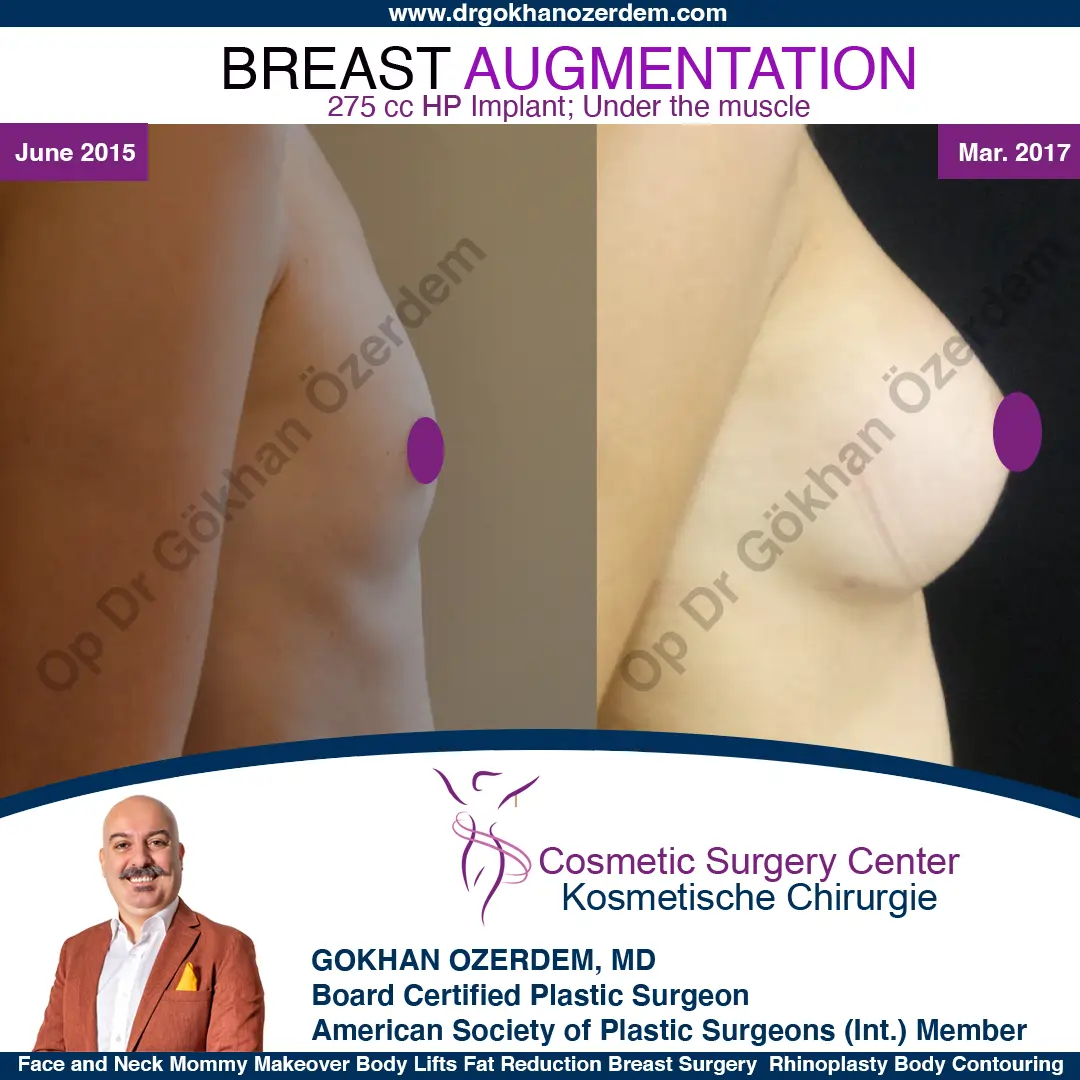
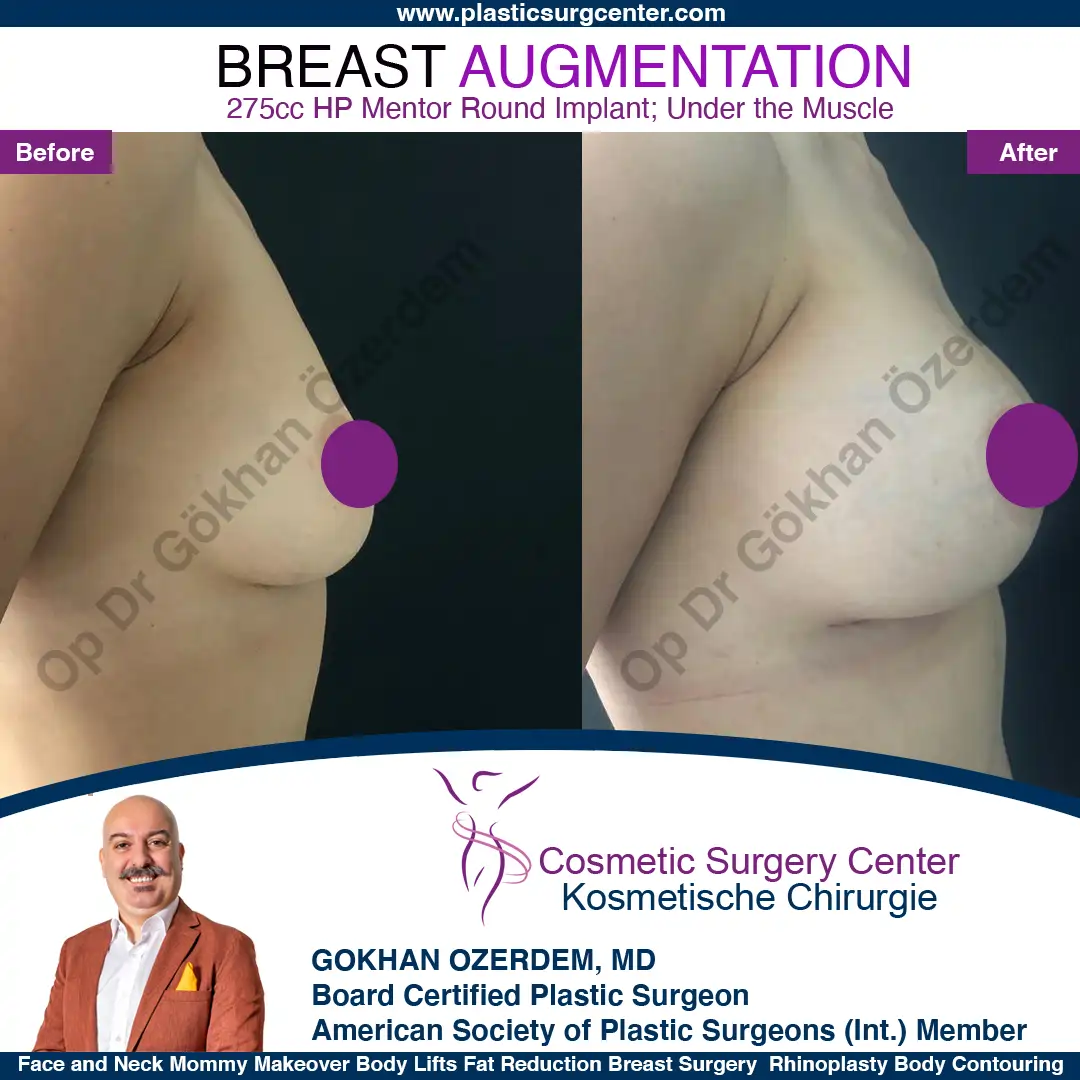
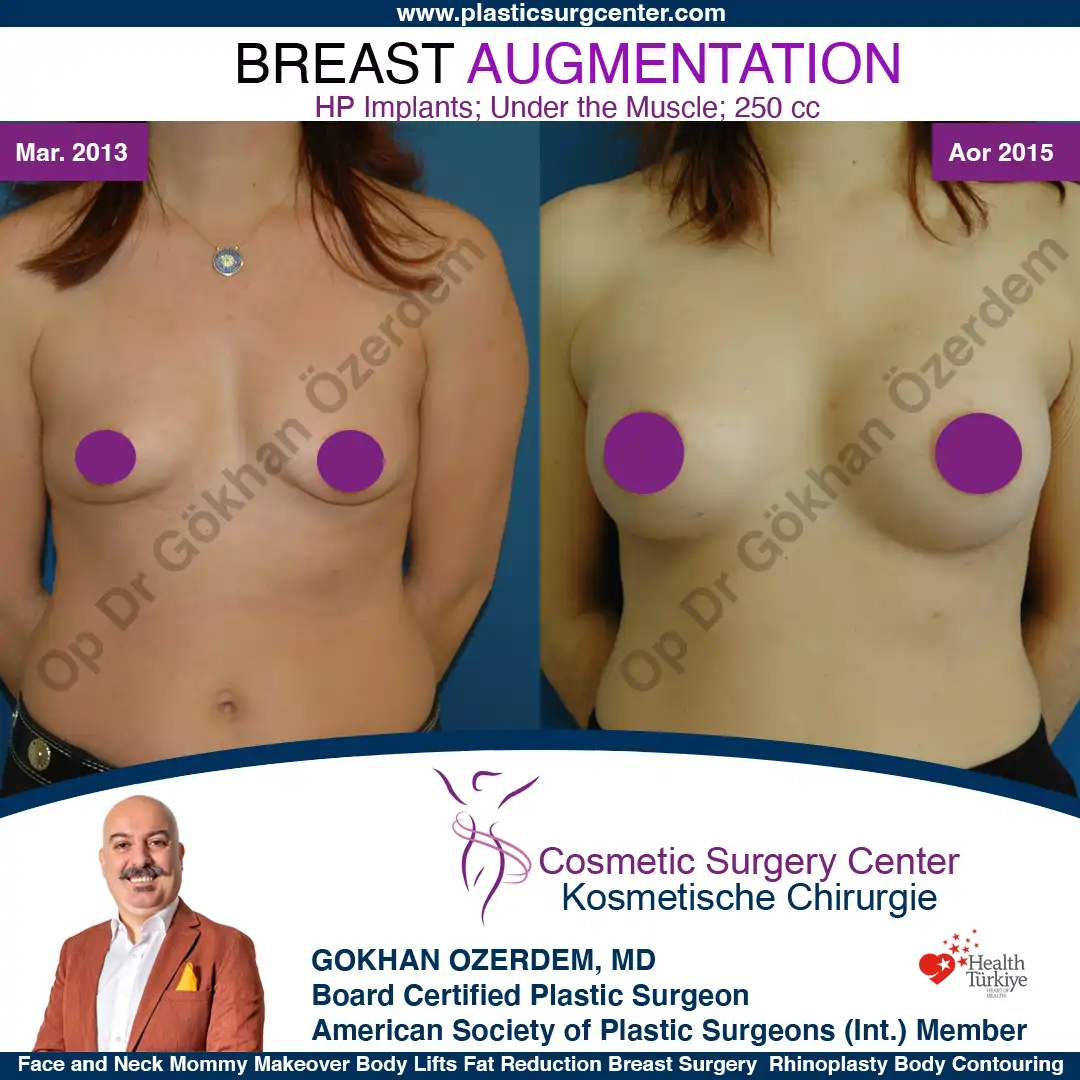
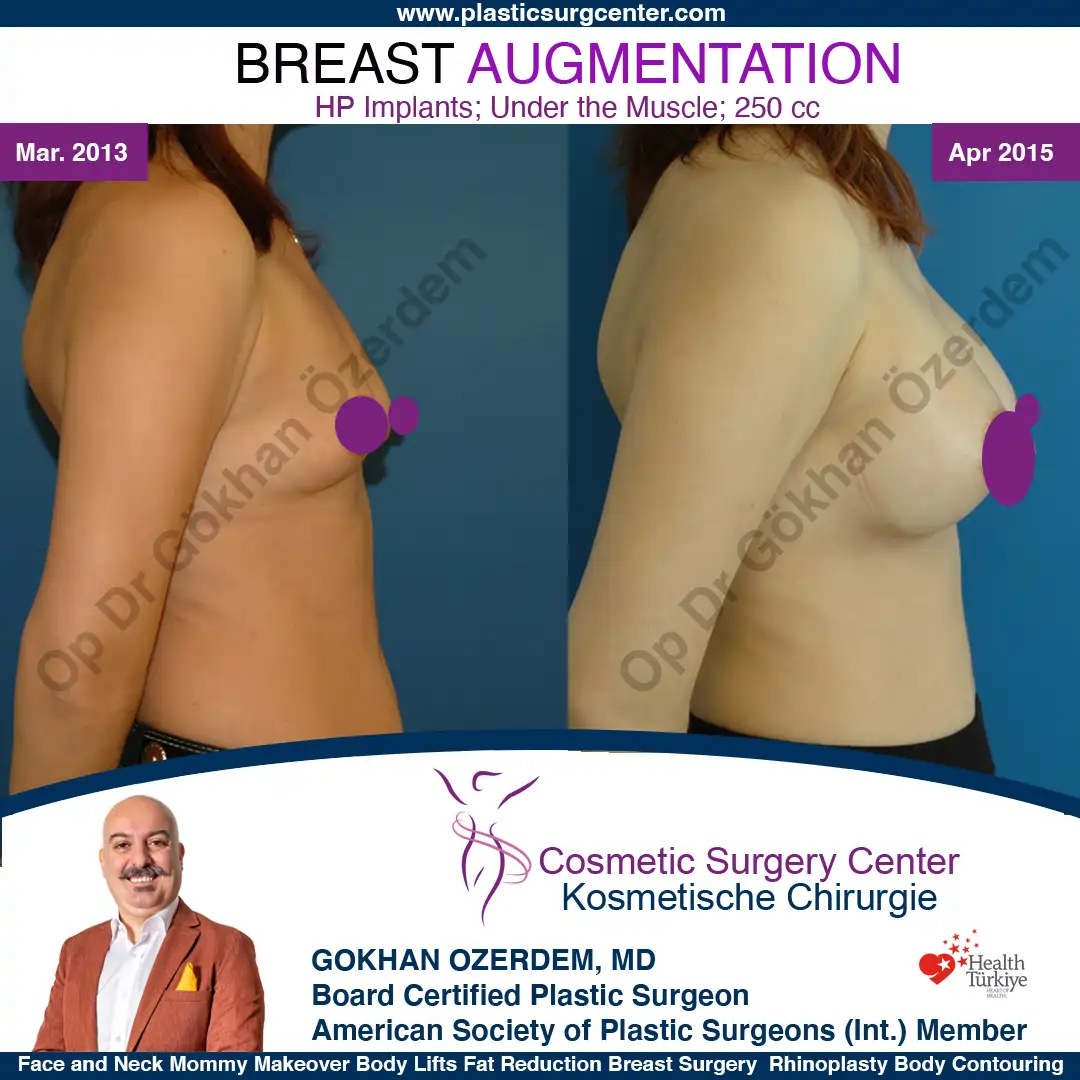
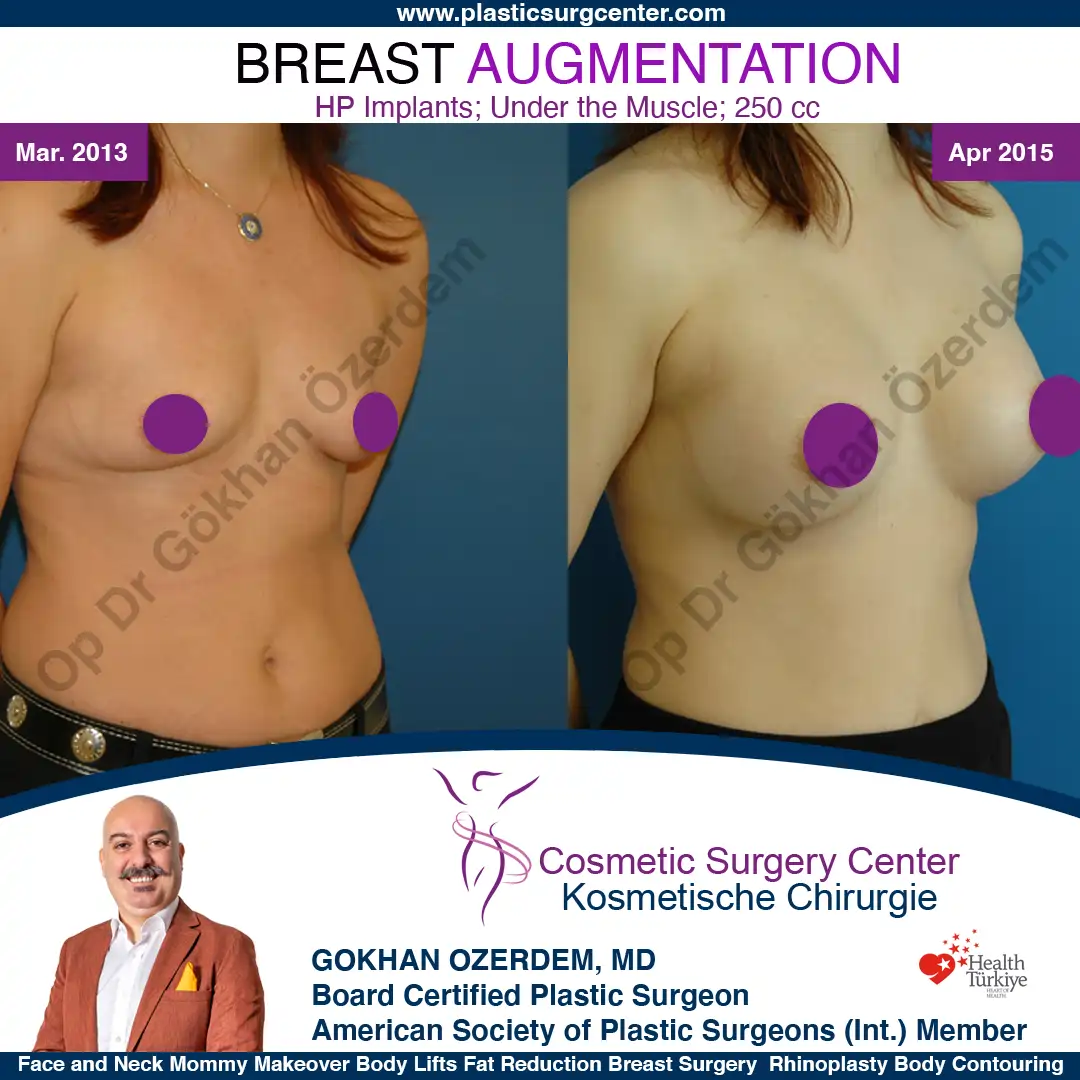
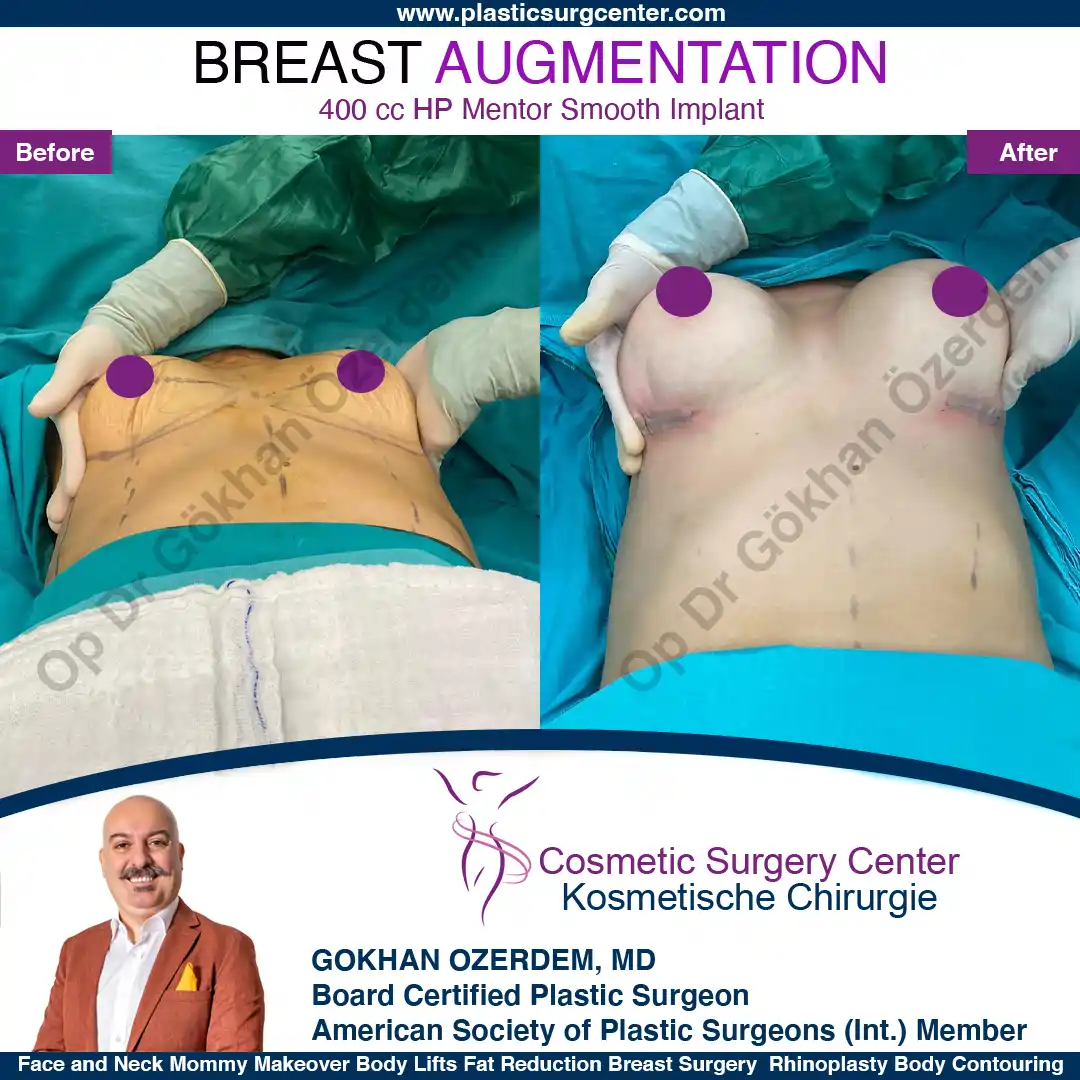
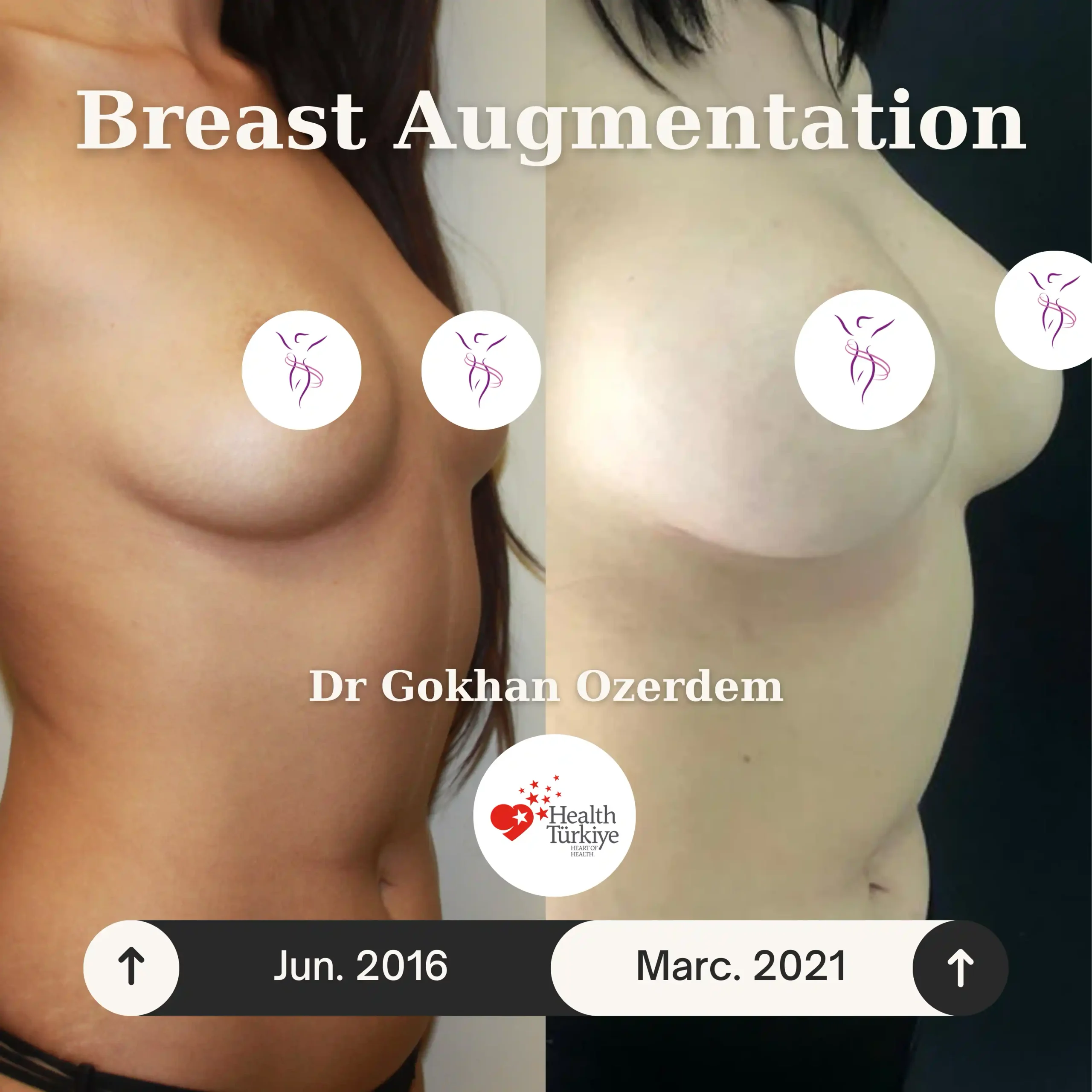
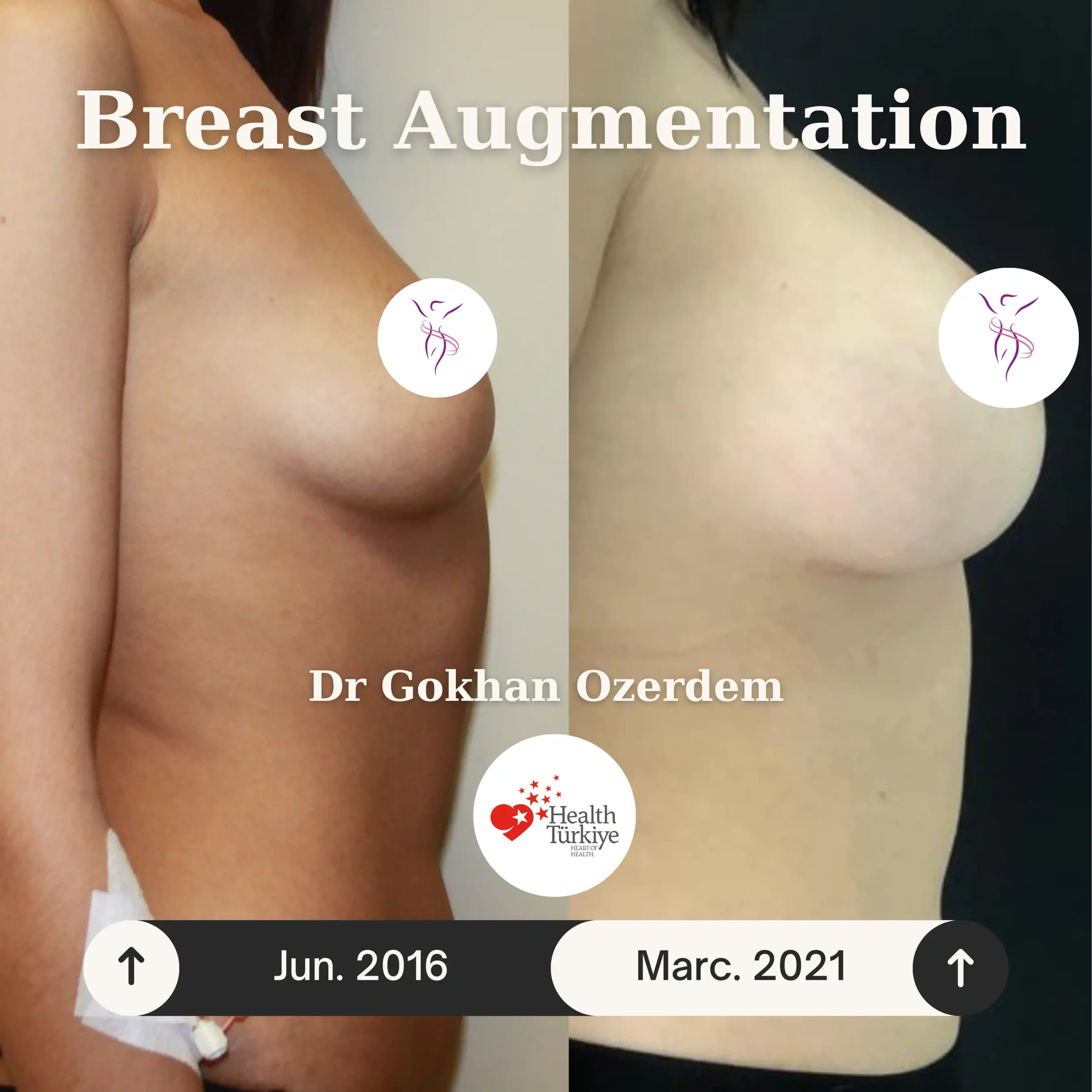
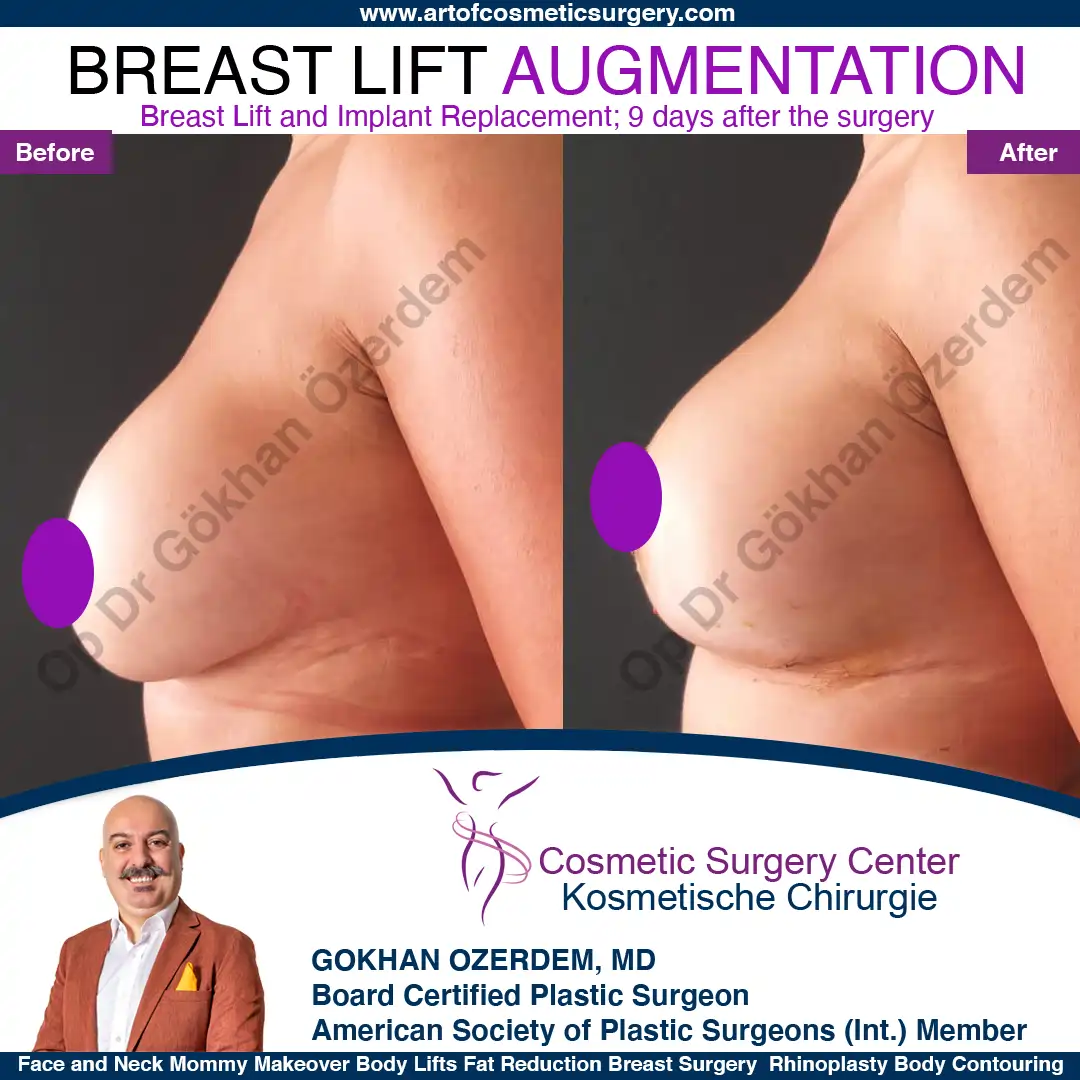
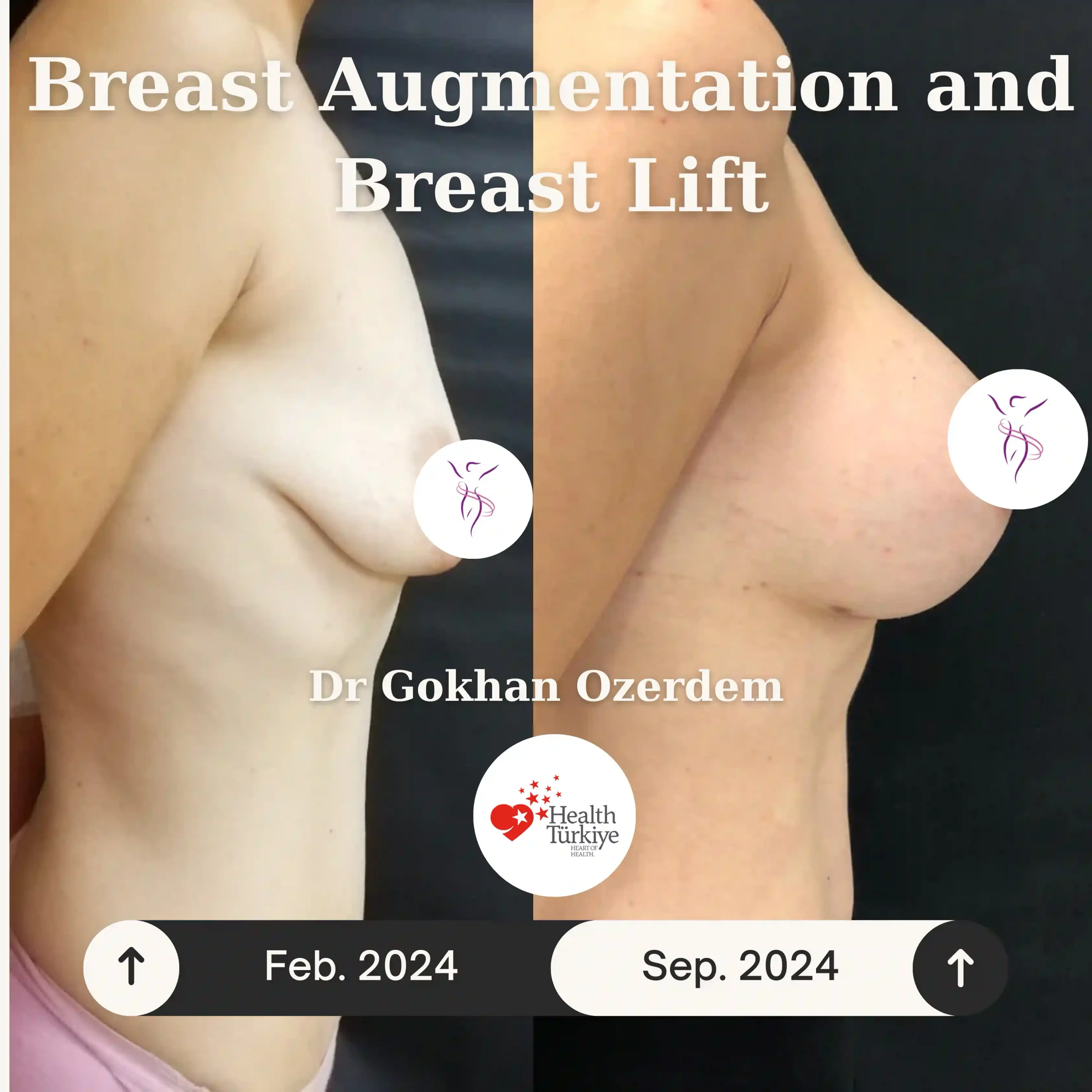
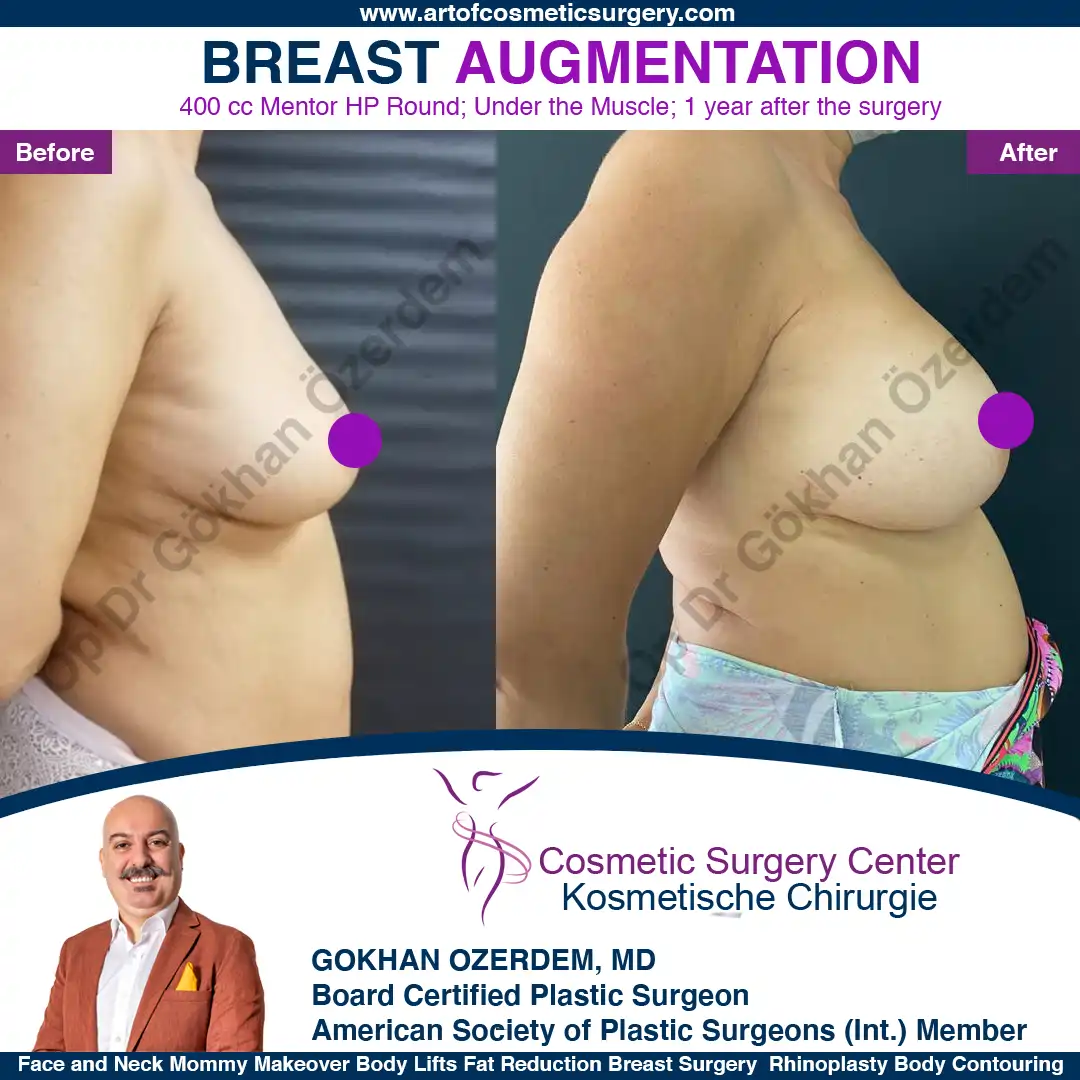
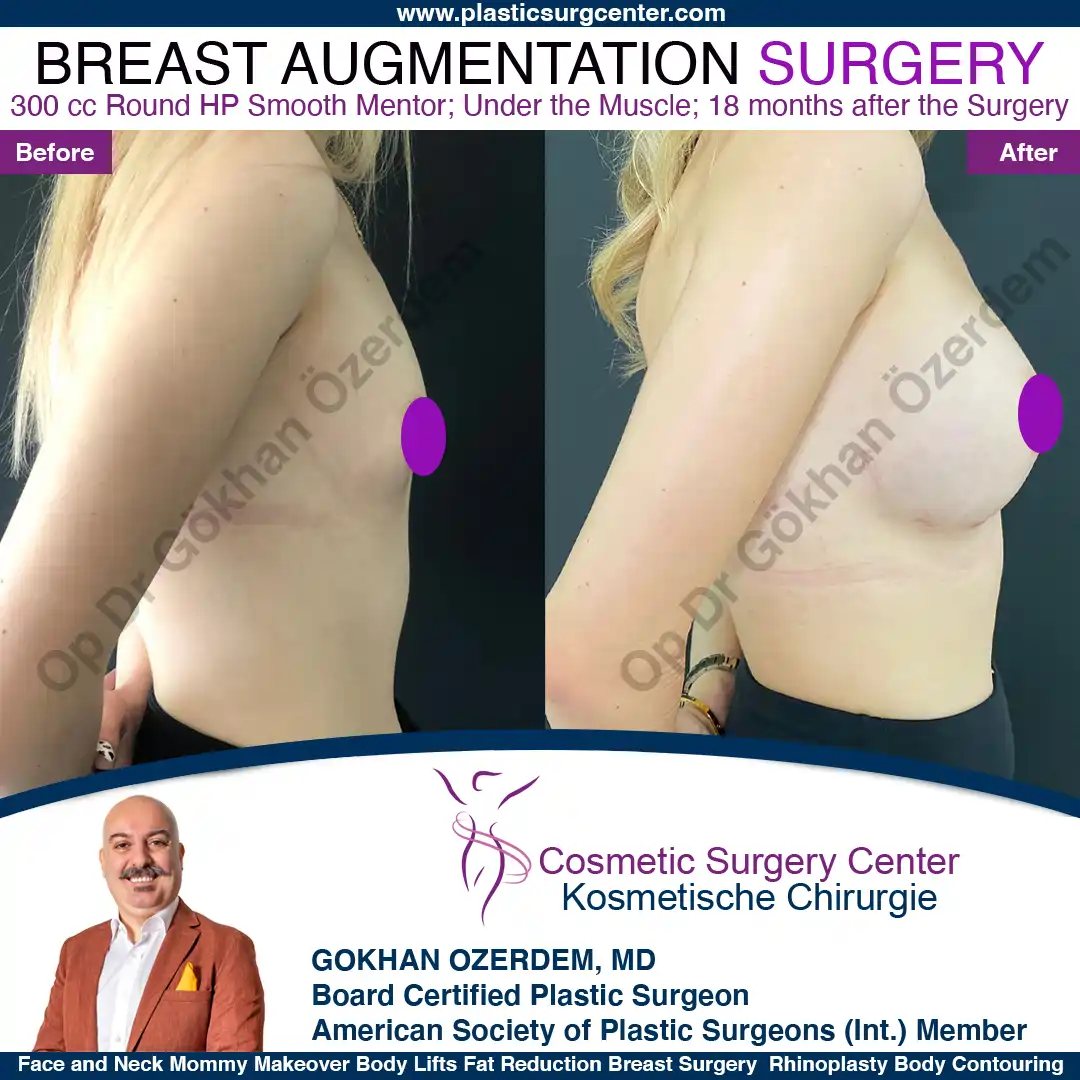
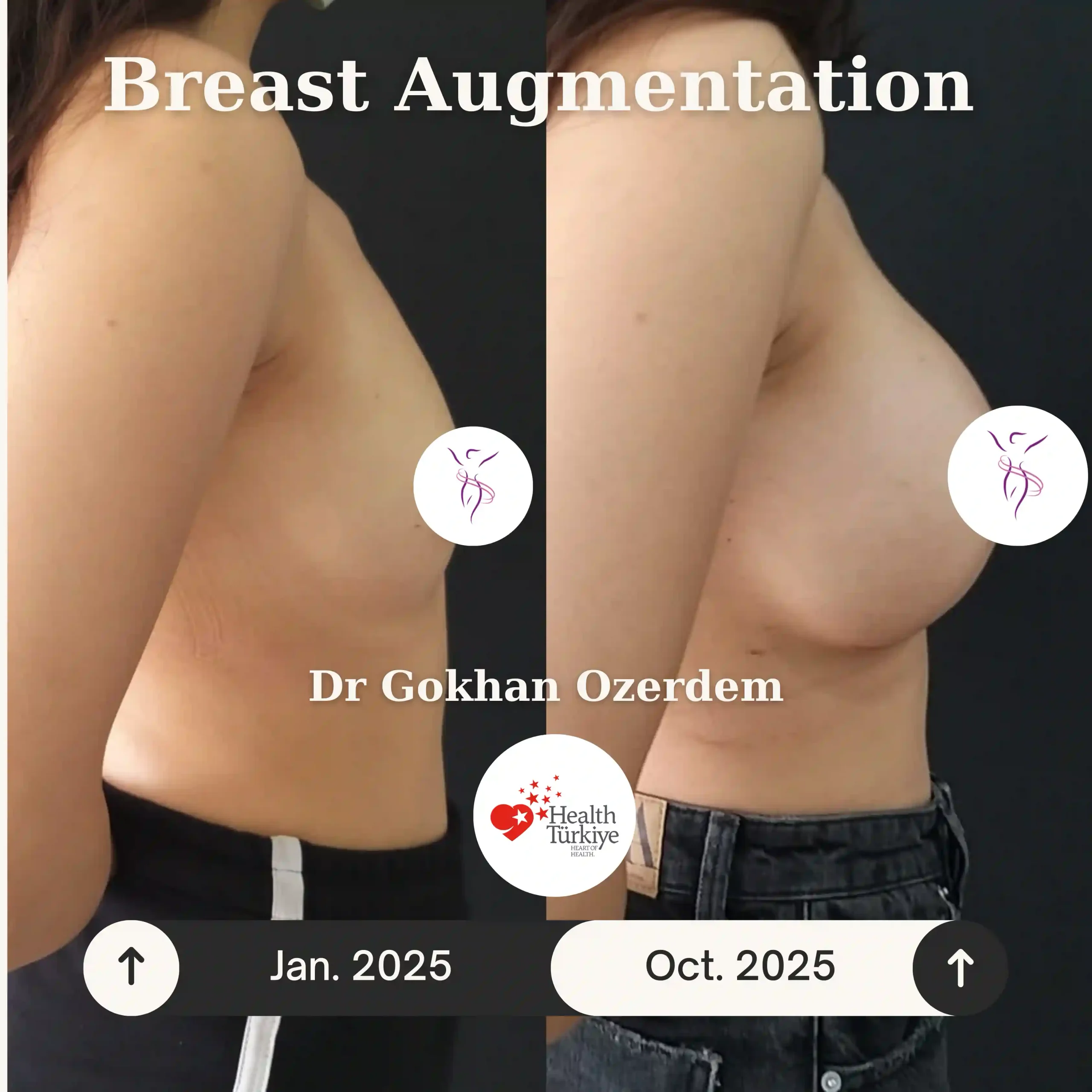
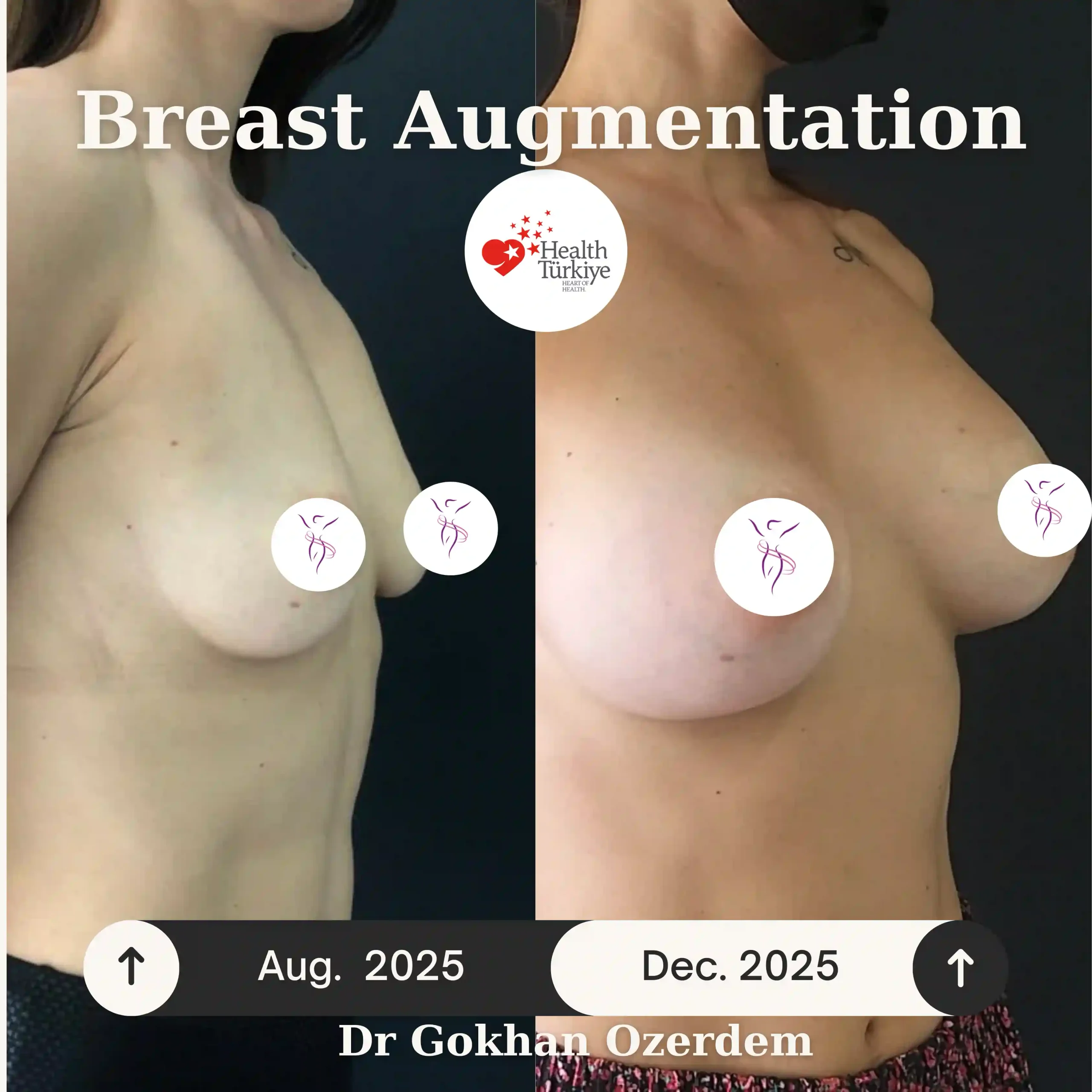
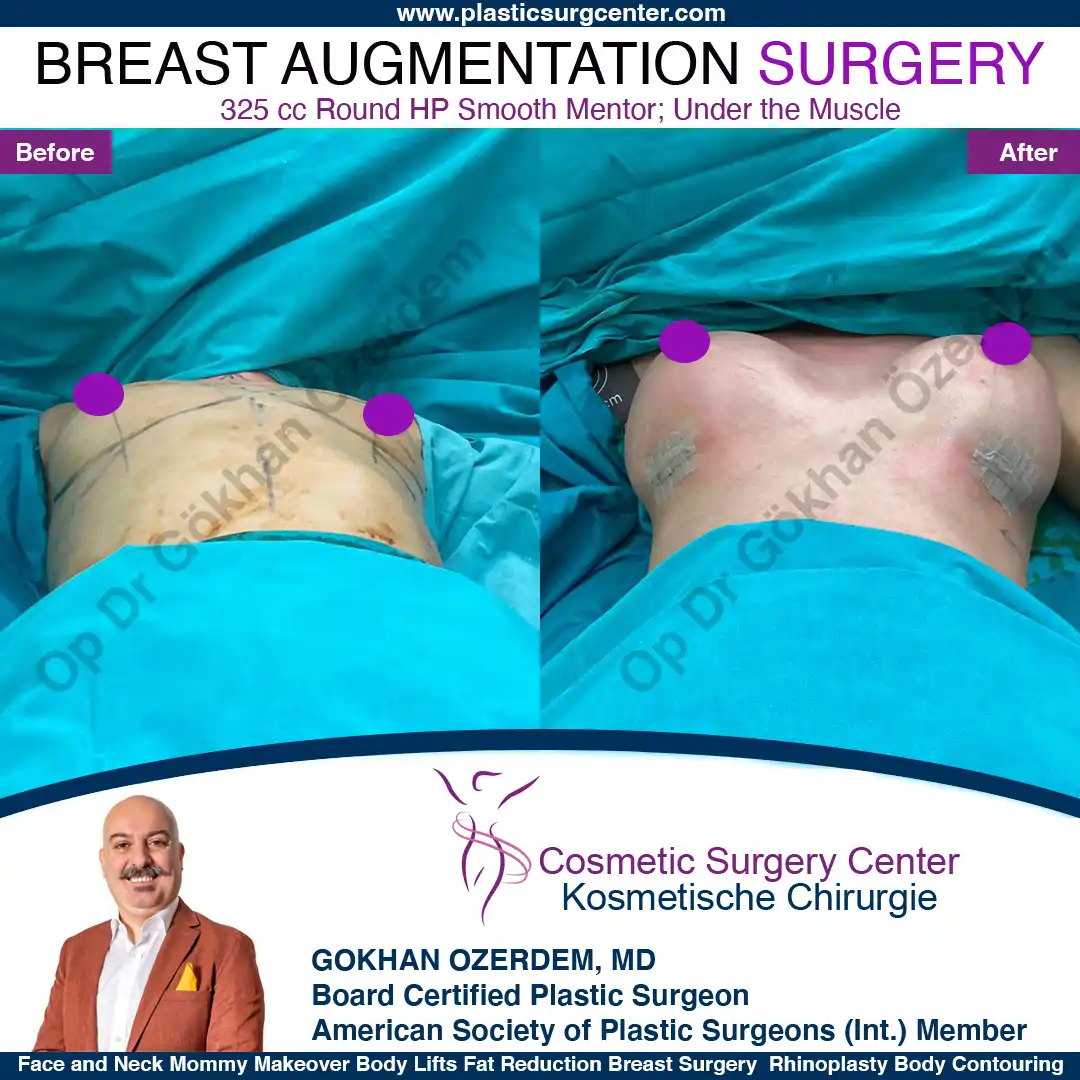
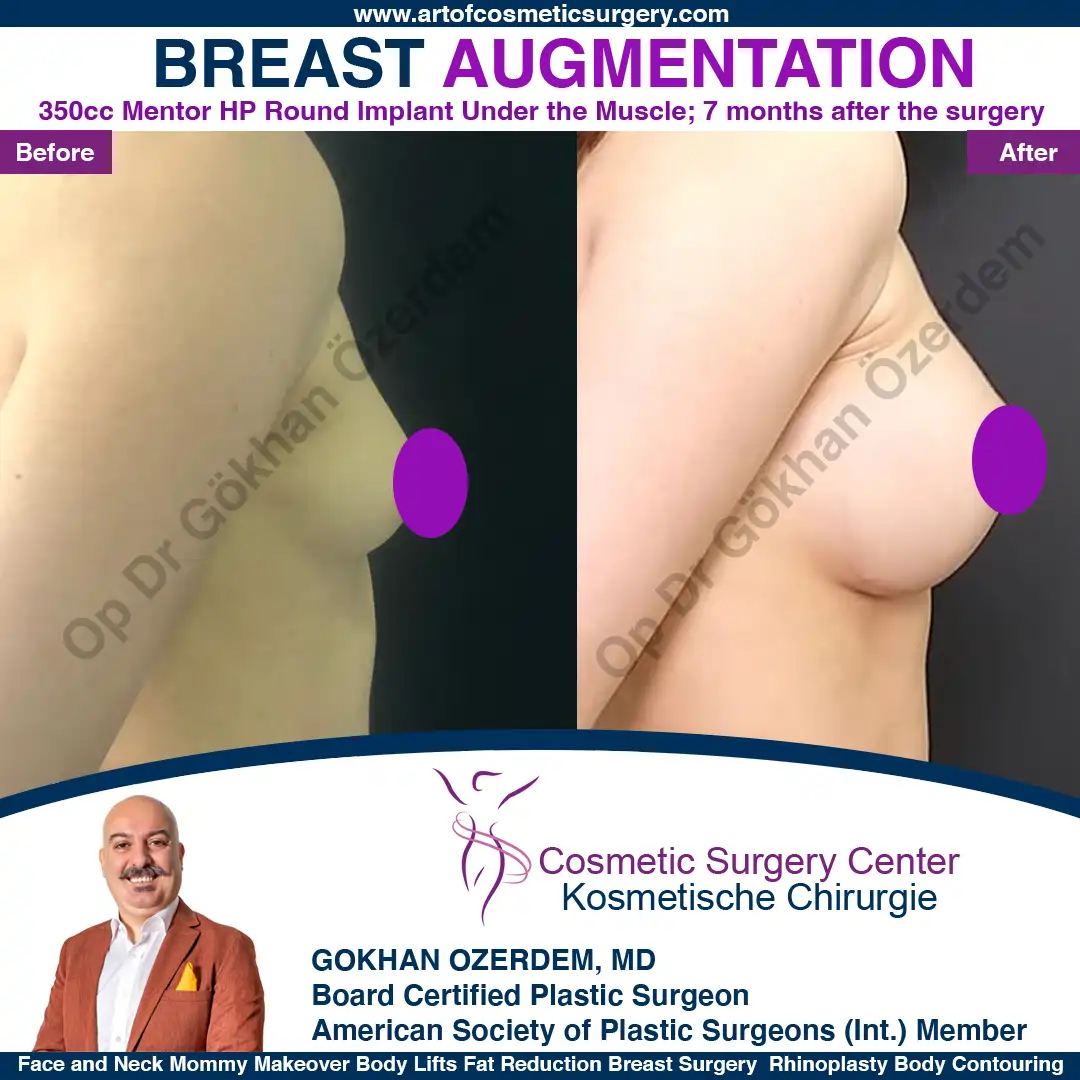
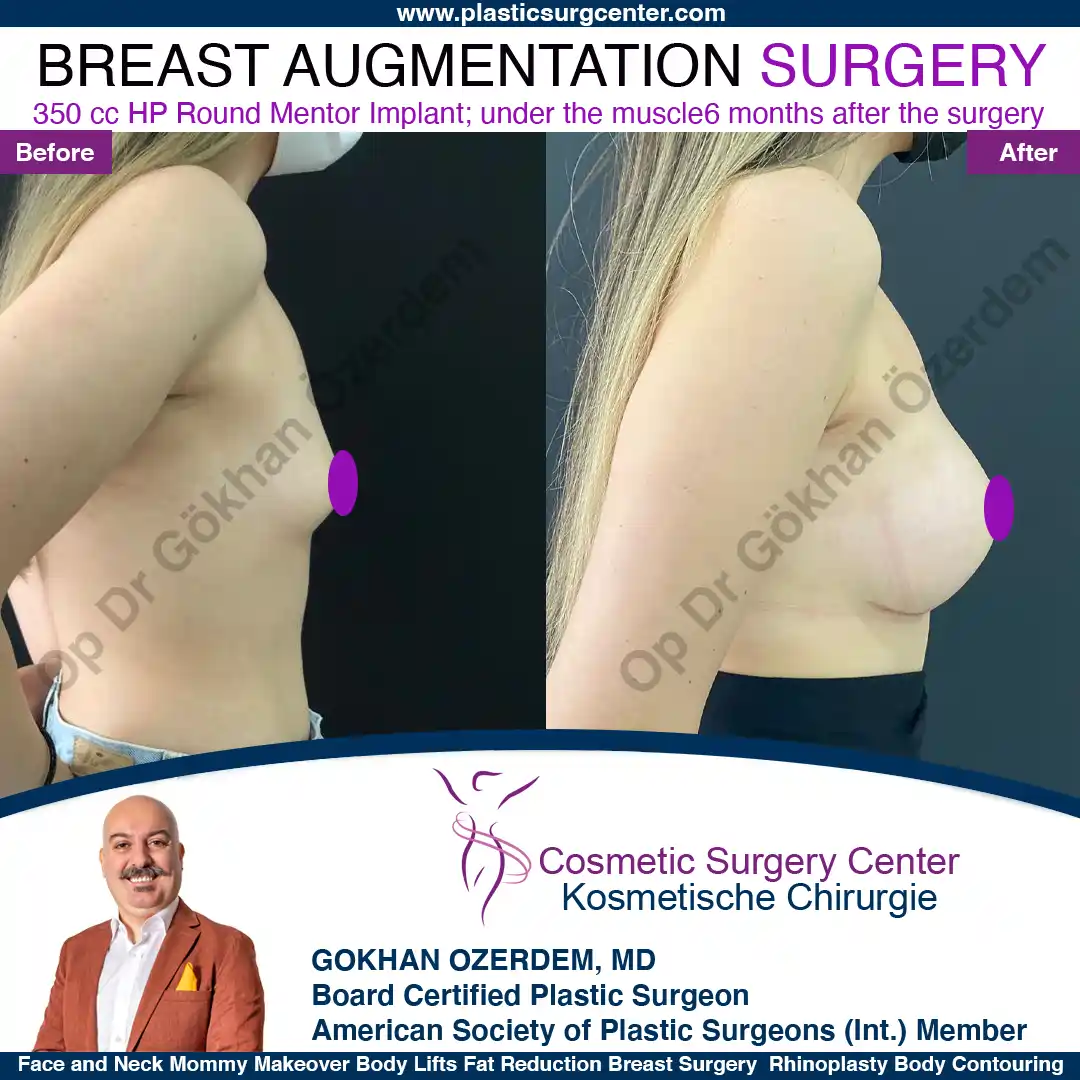
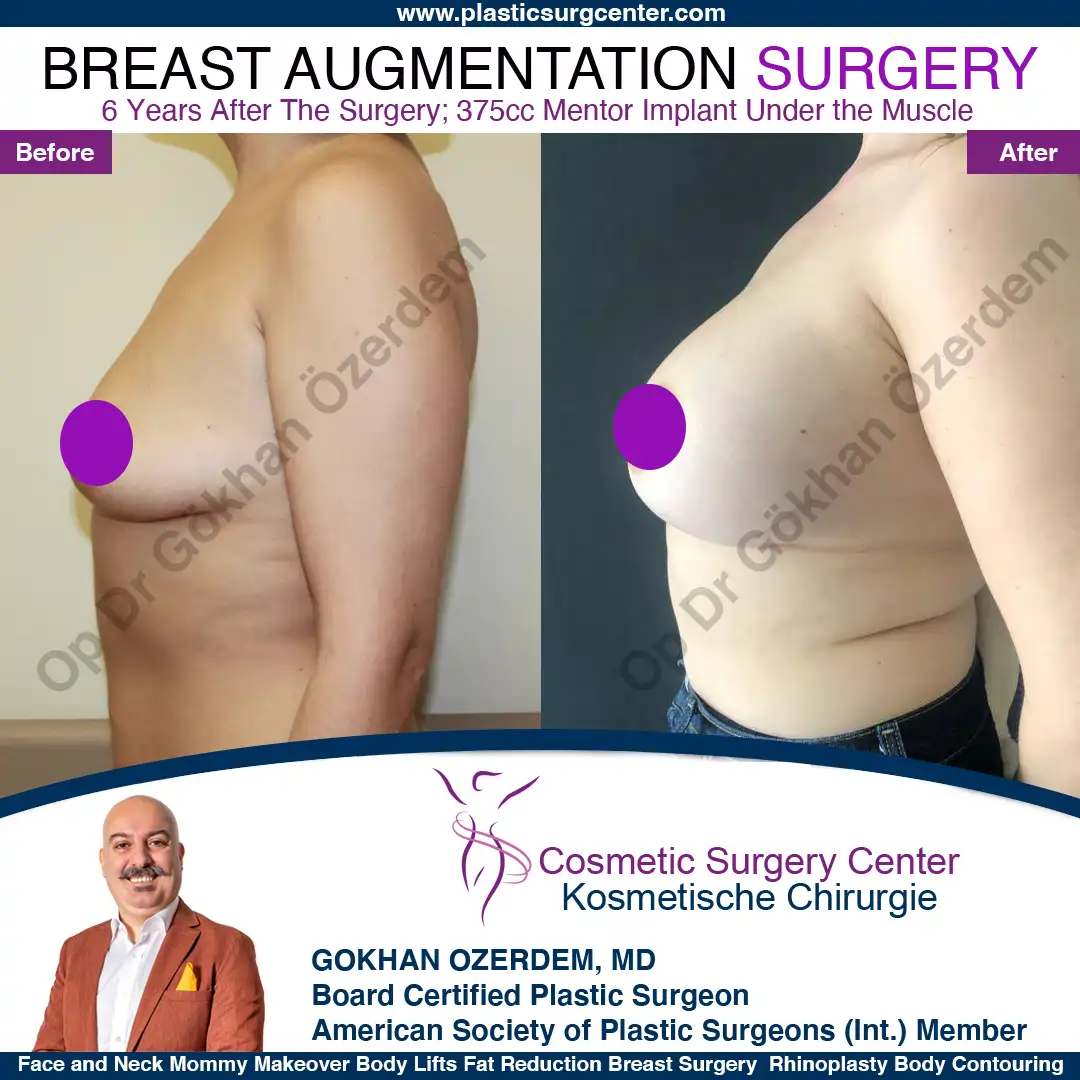
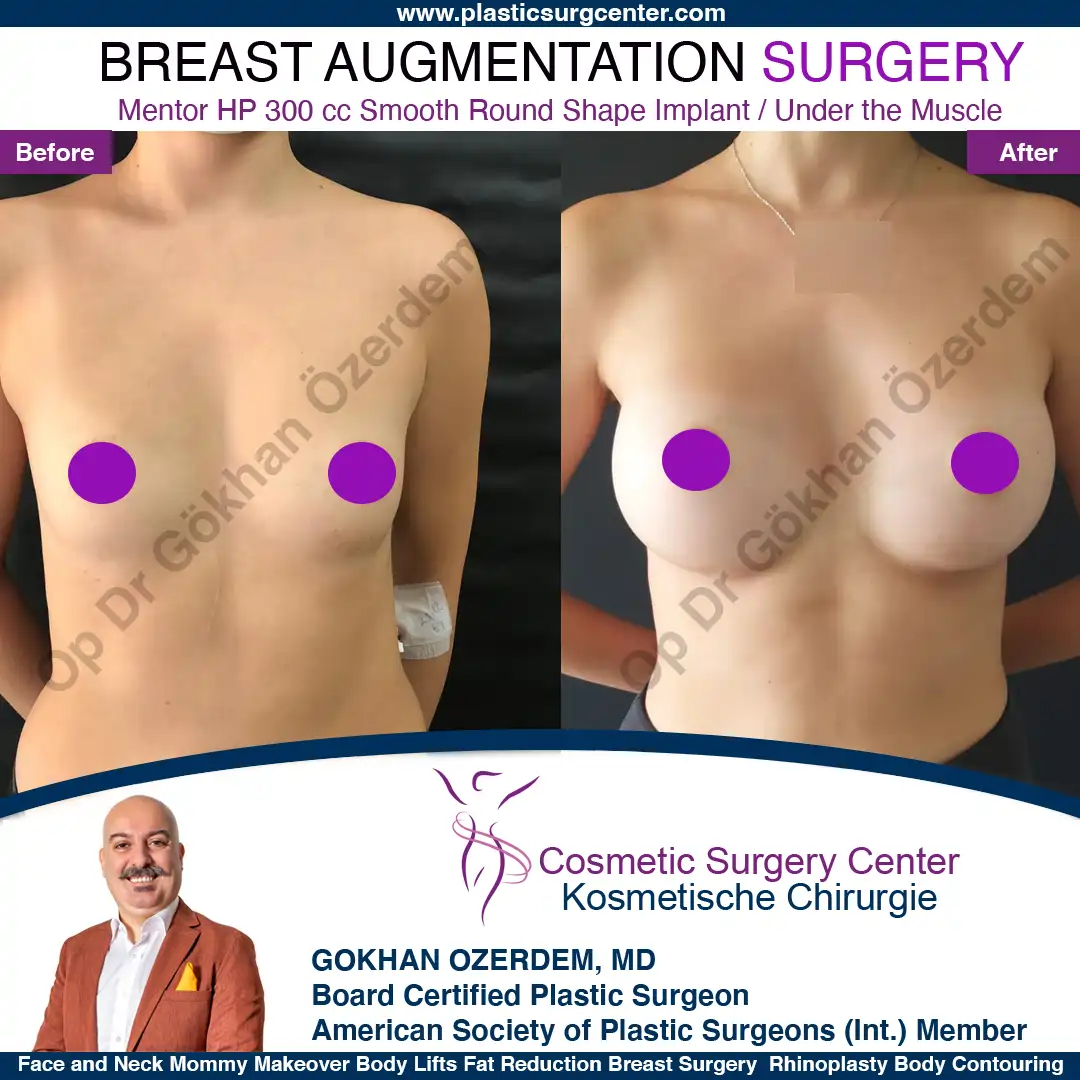
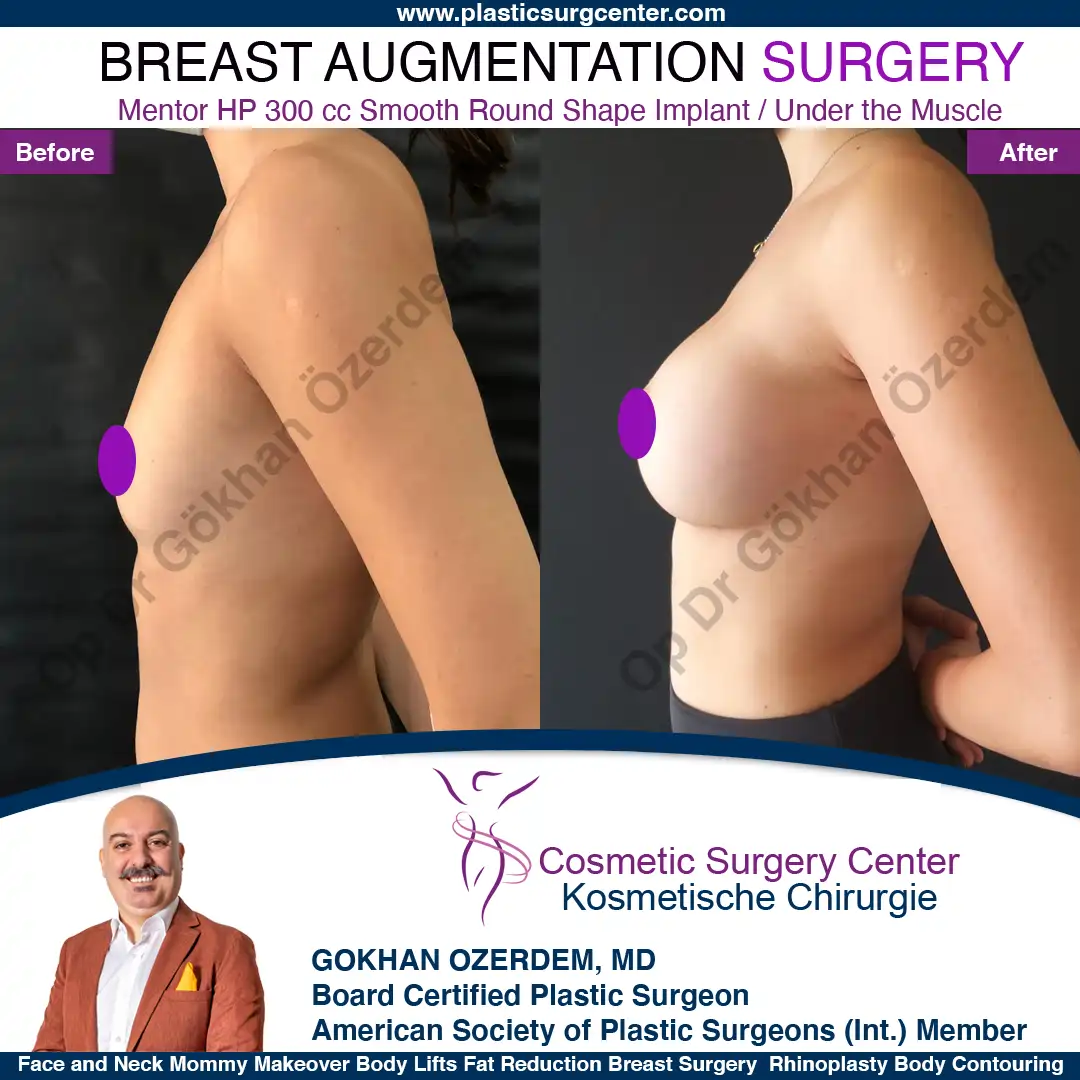
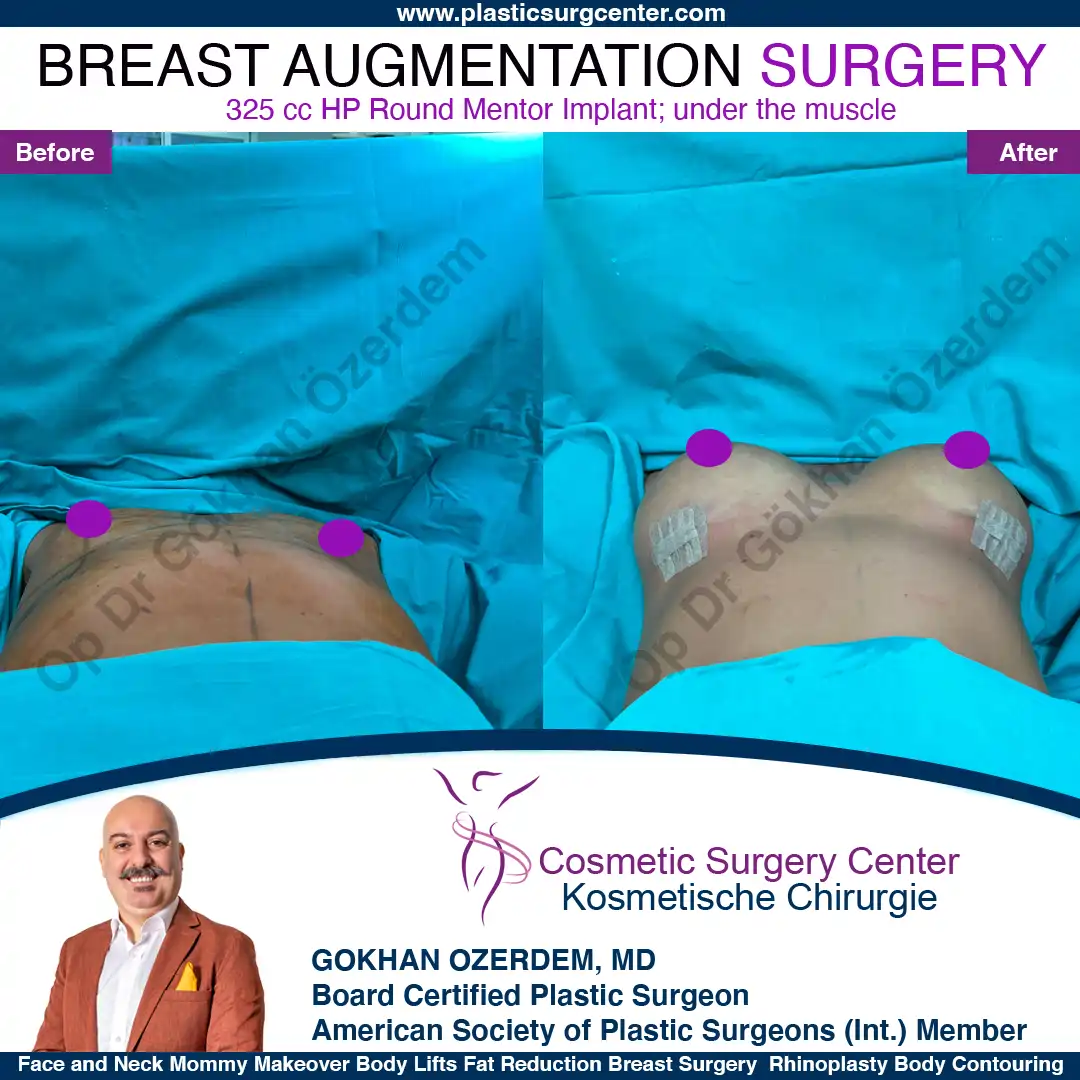
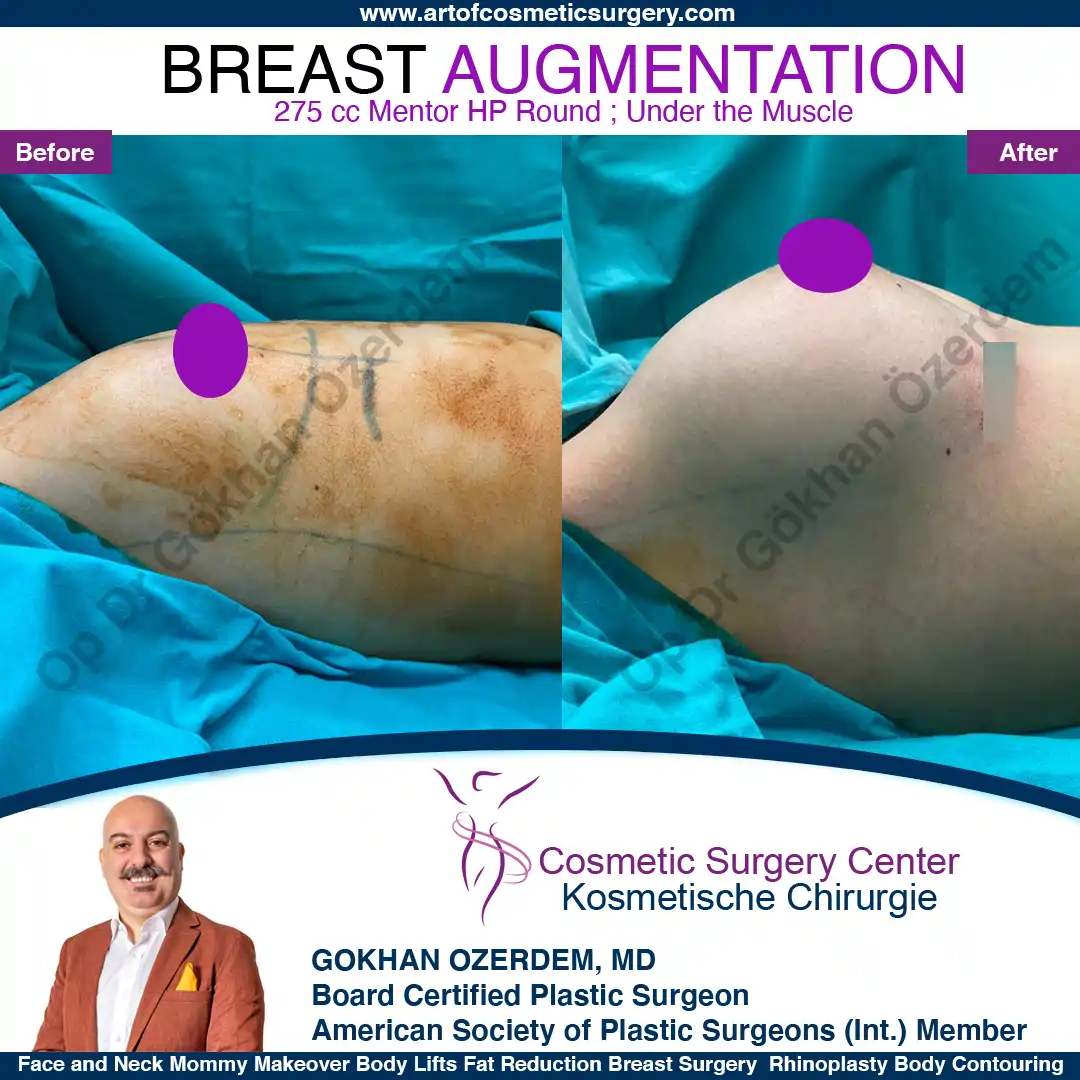
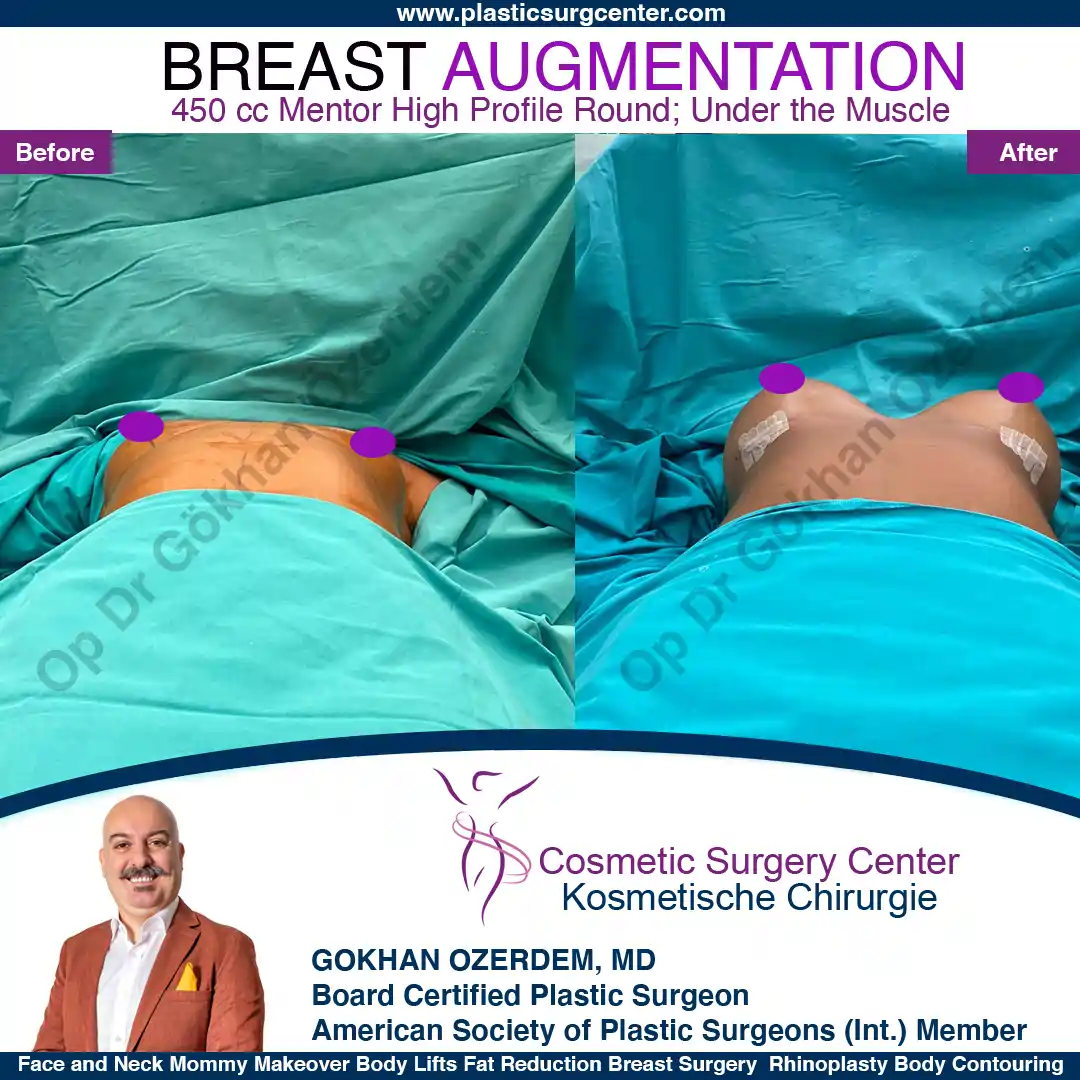
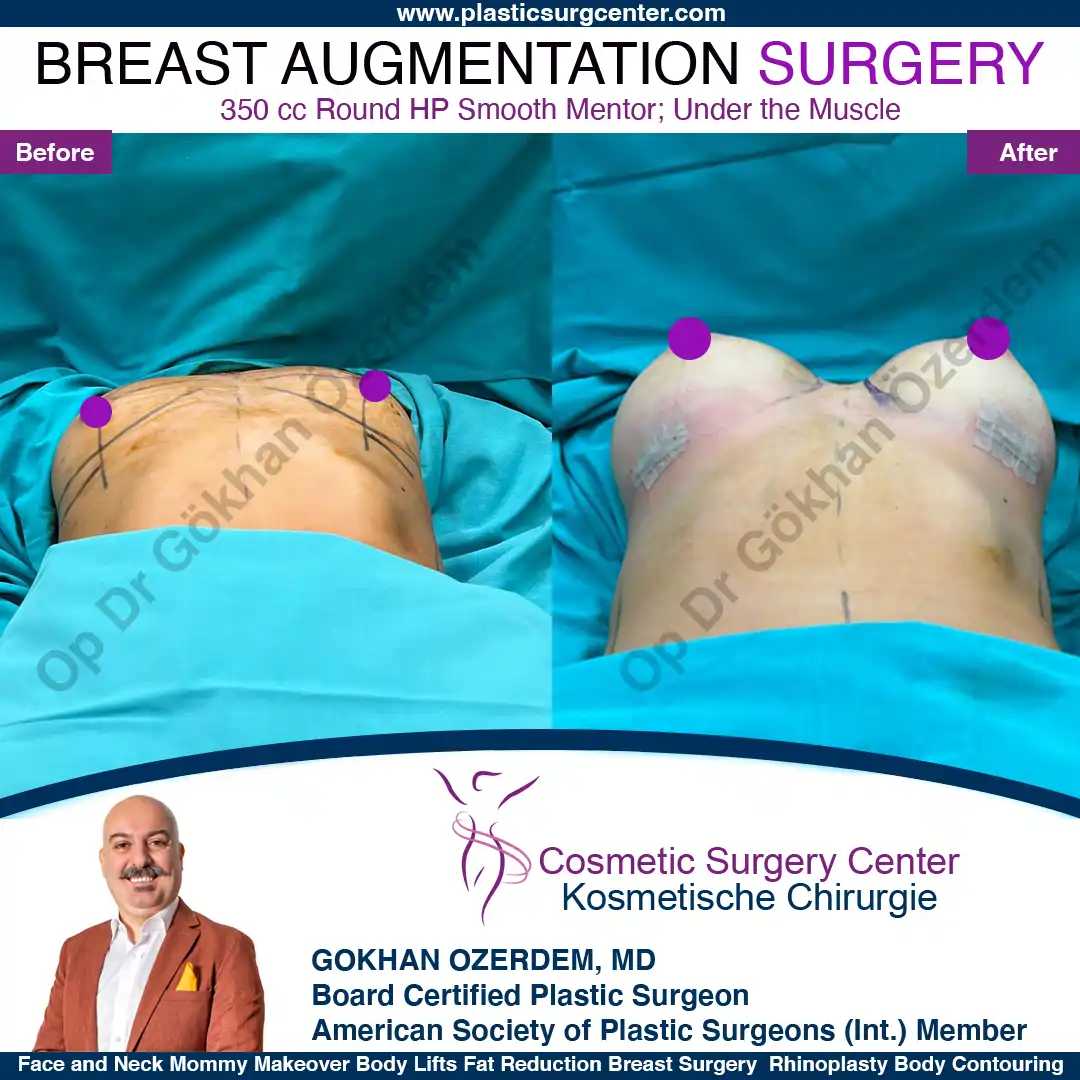
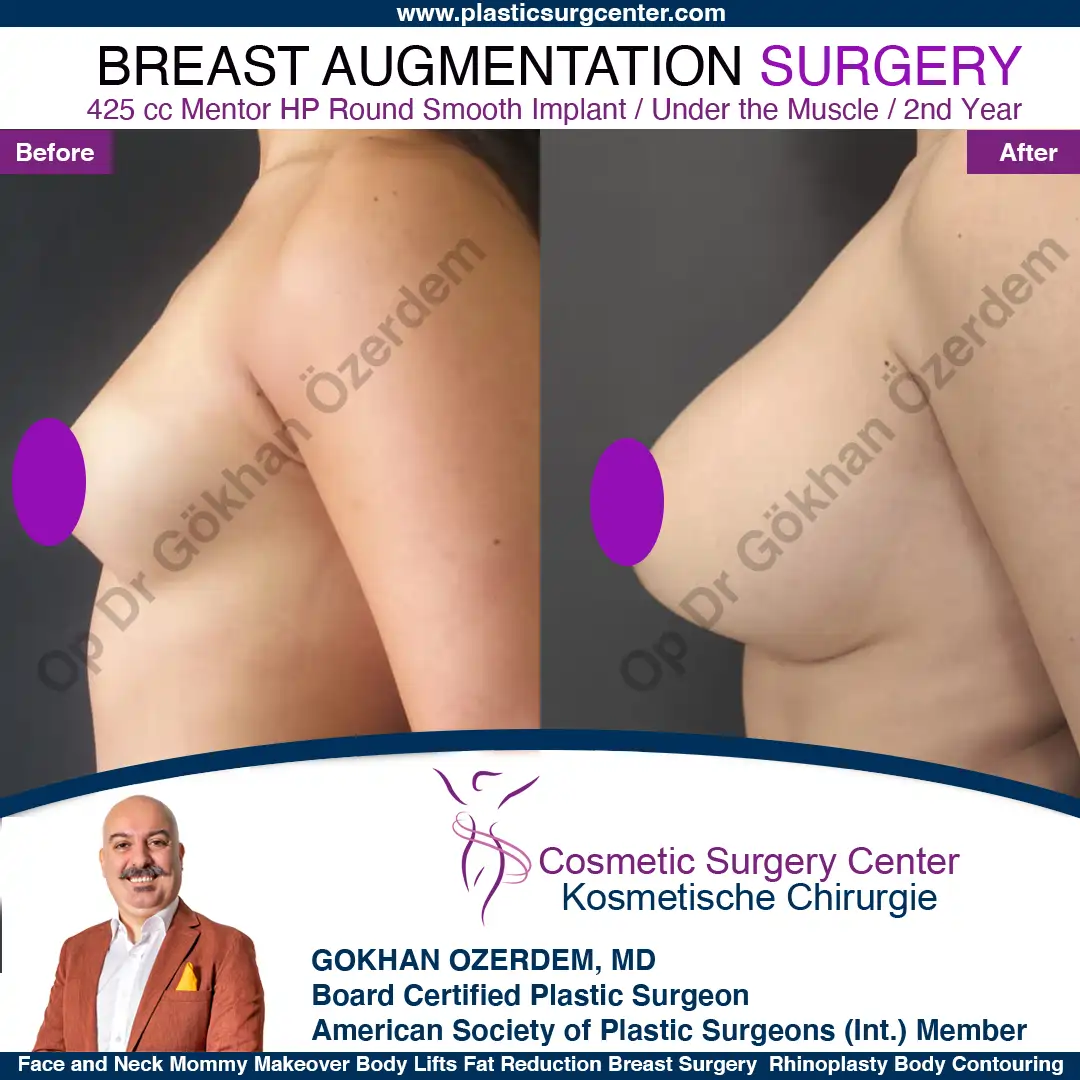
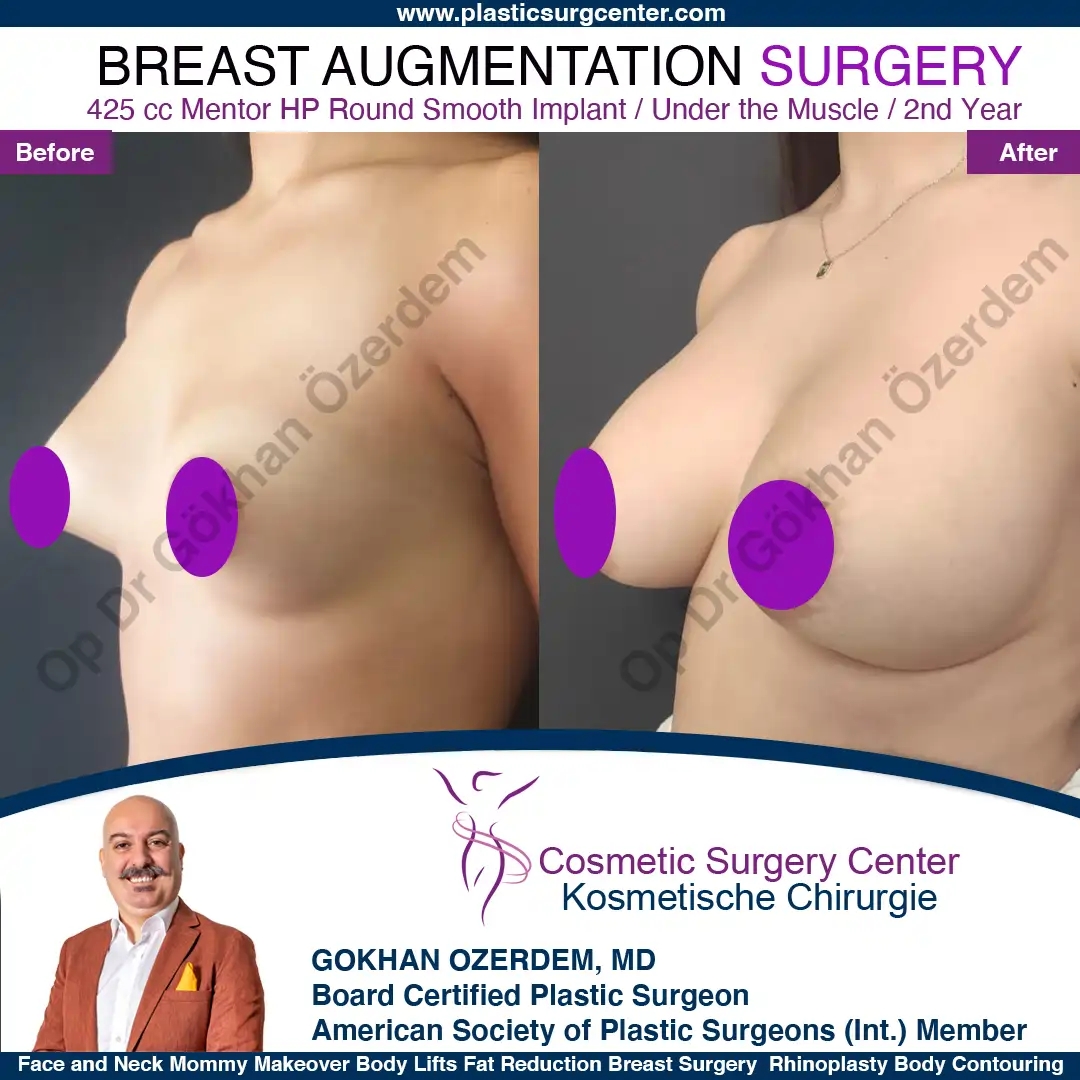
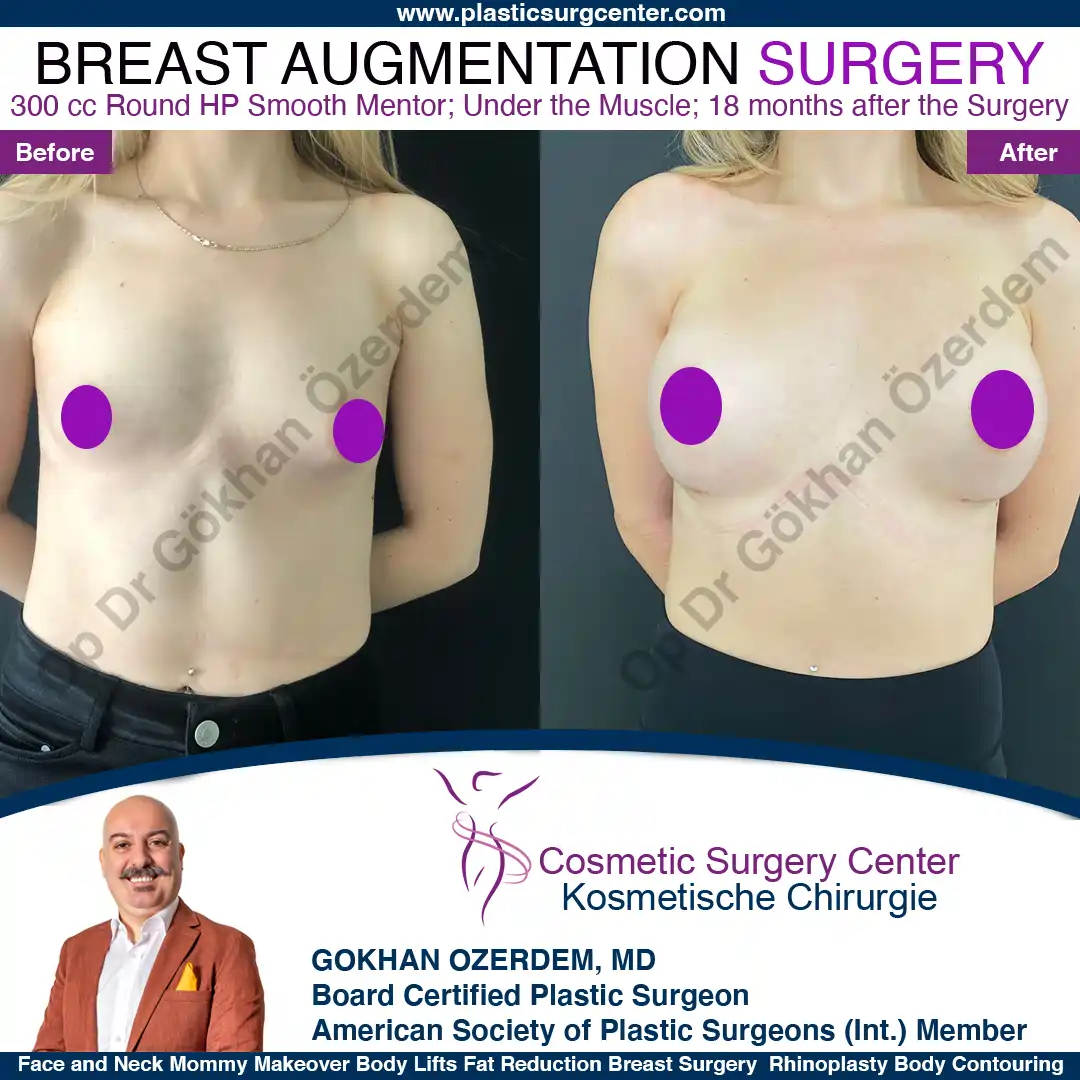
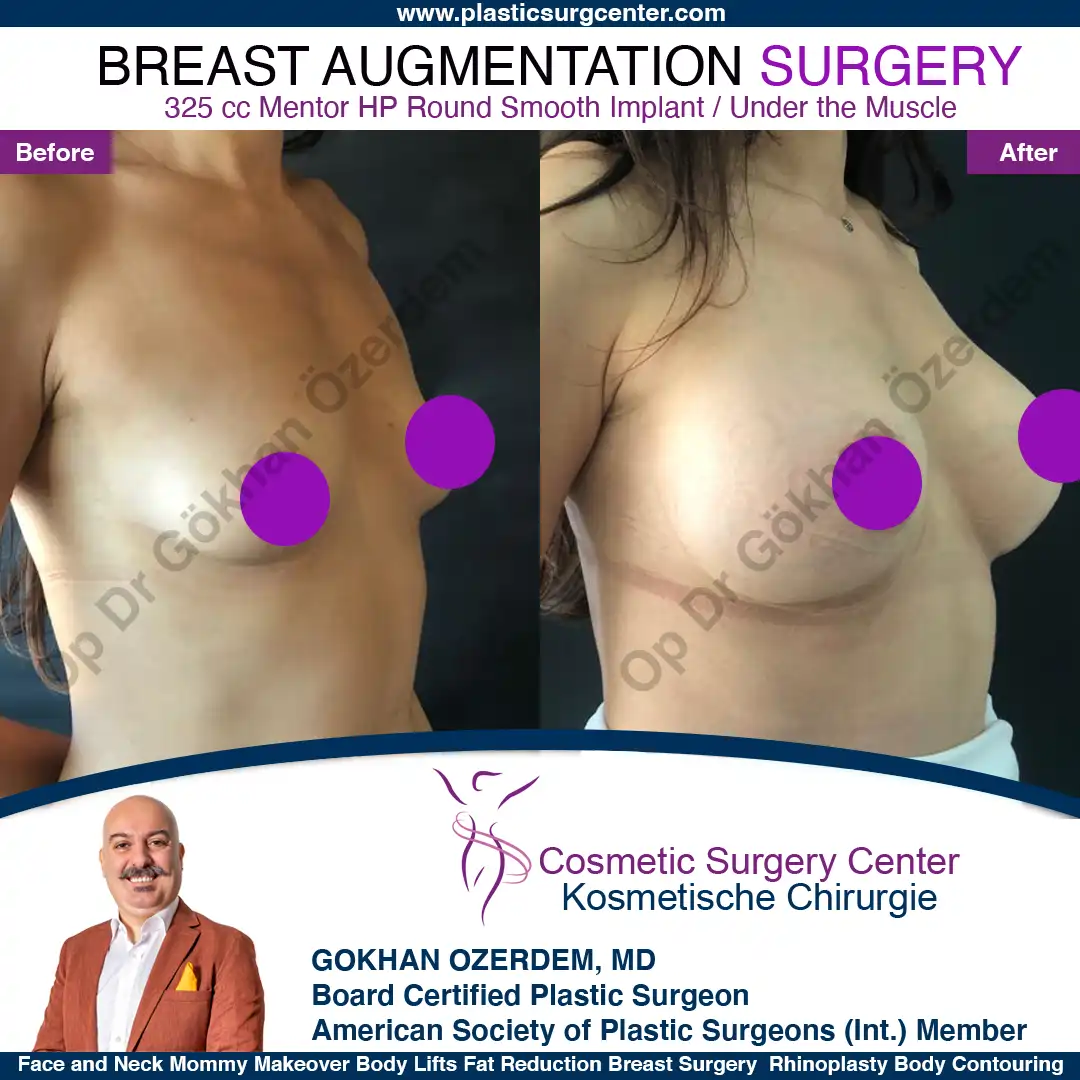
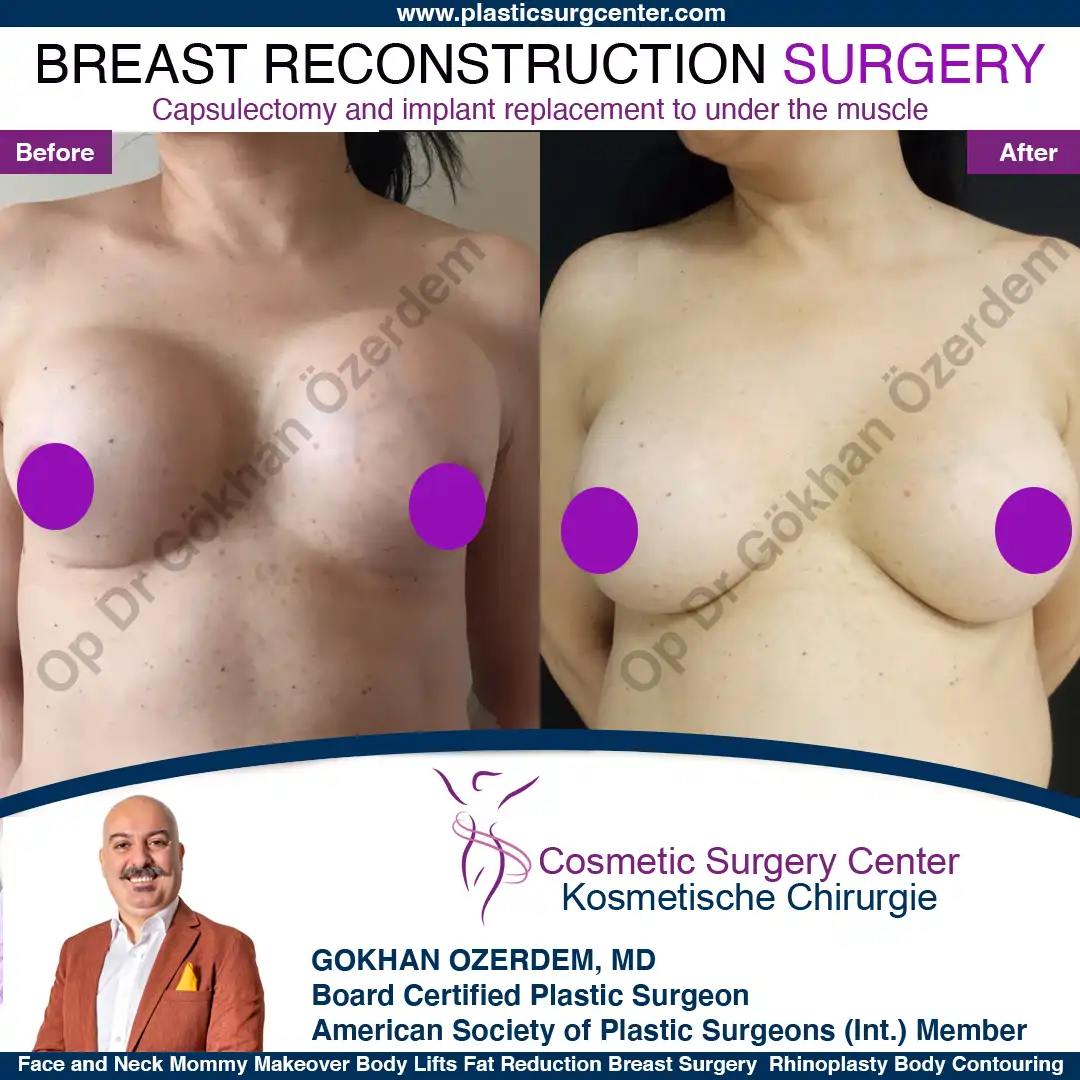
Breast Augmentation Before and After
Breast Implant Results
[BREAST AUGMENTATION BEFORE & AFTER GALLERY]
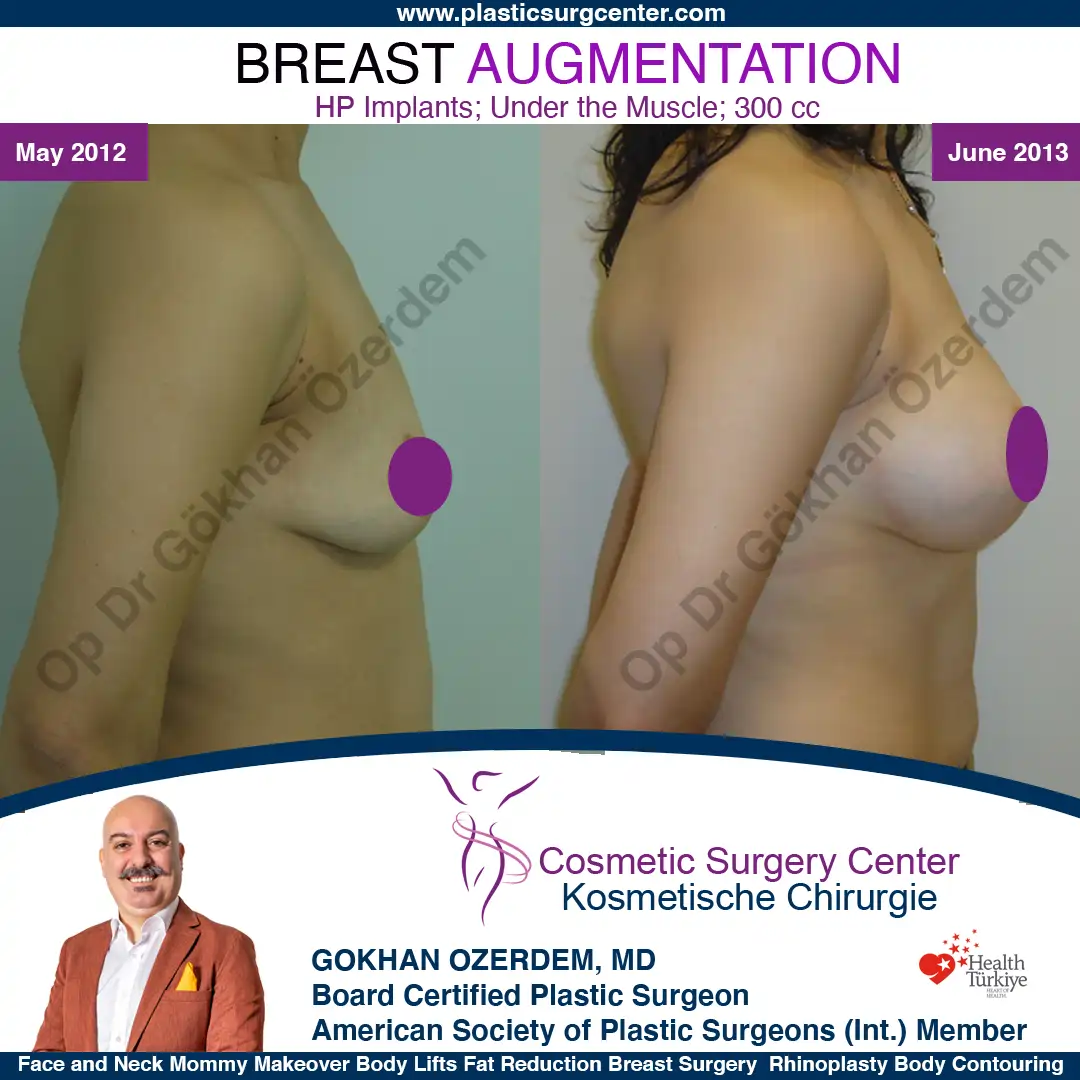
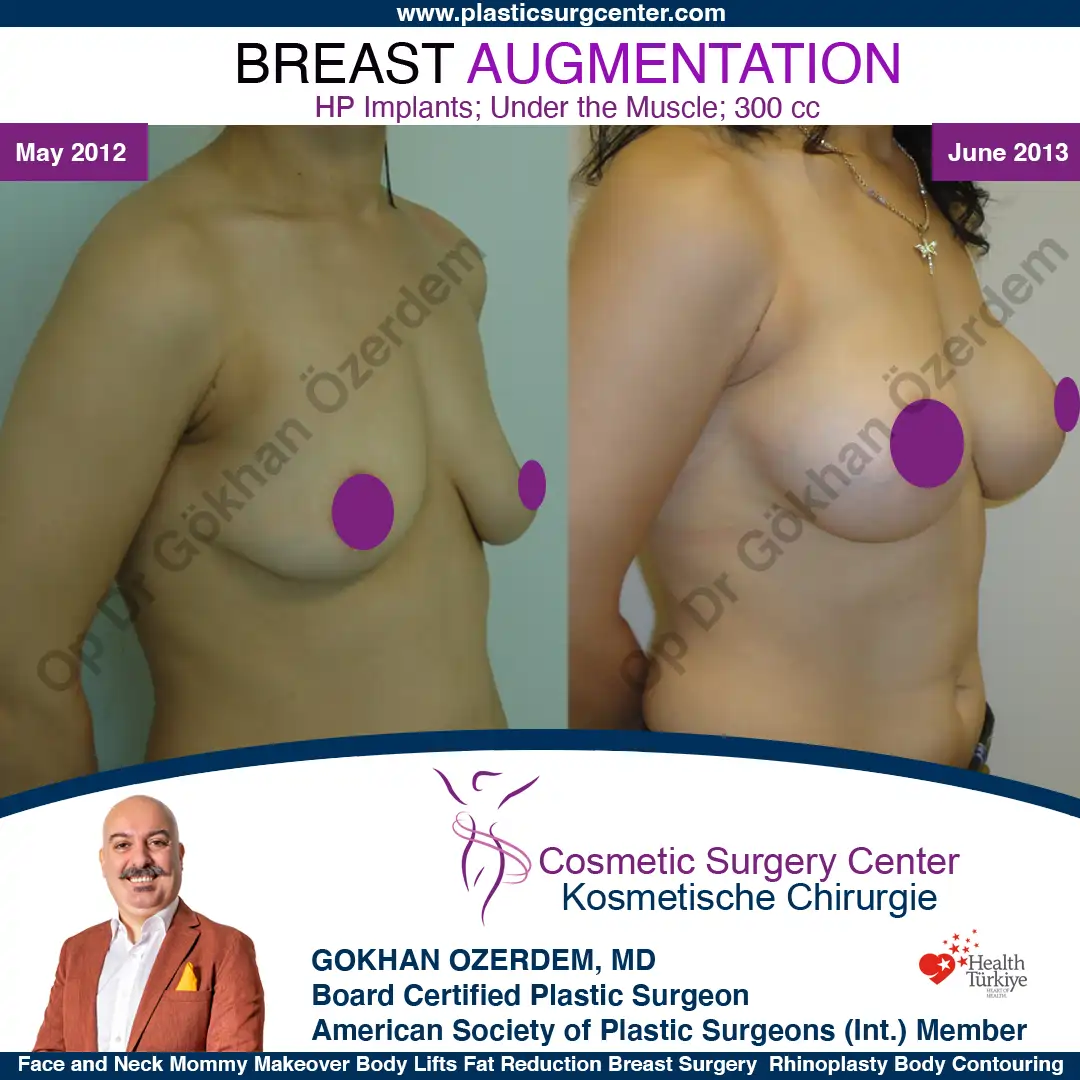
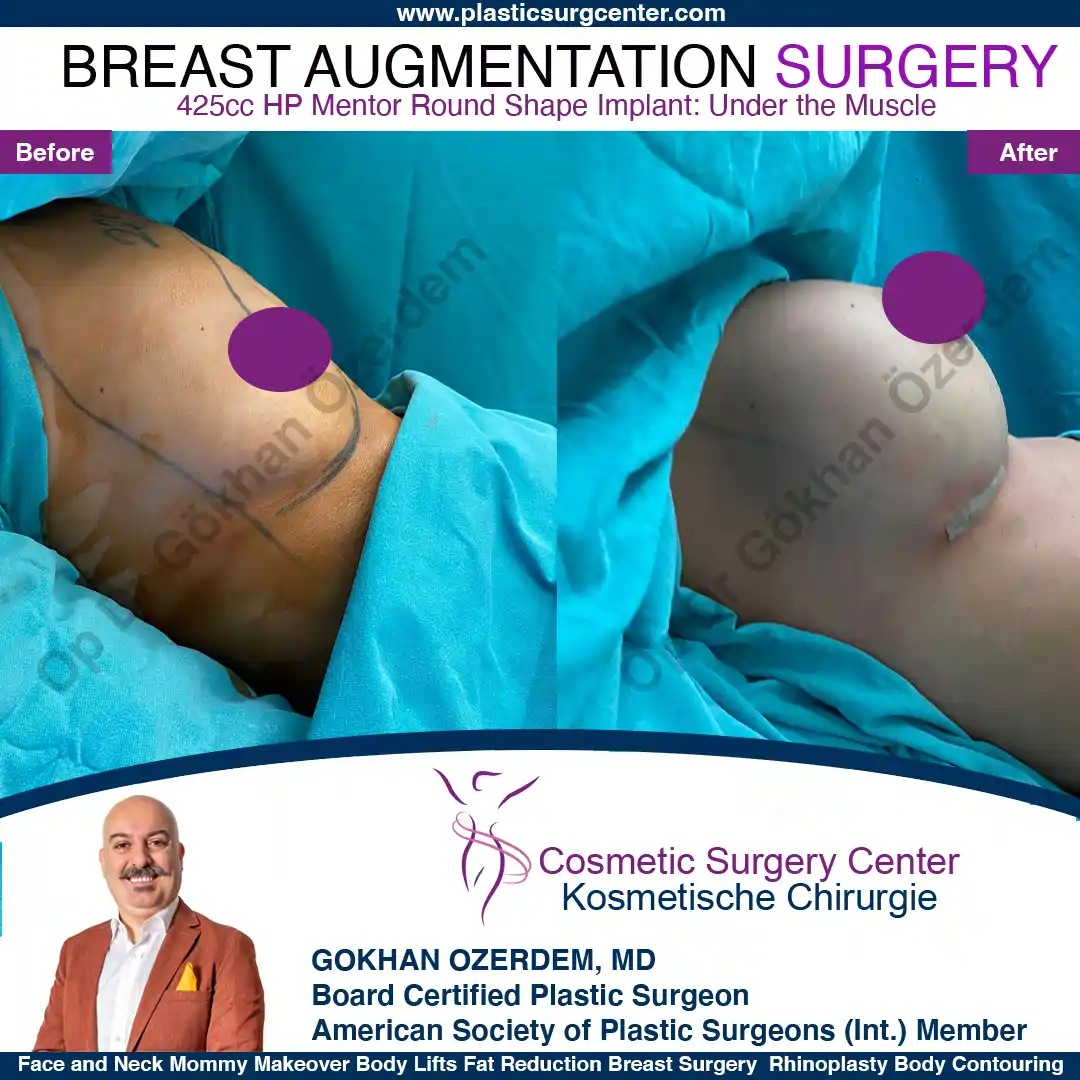
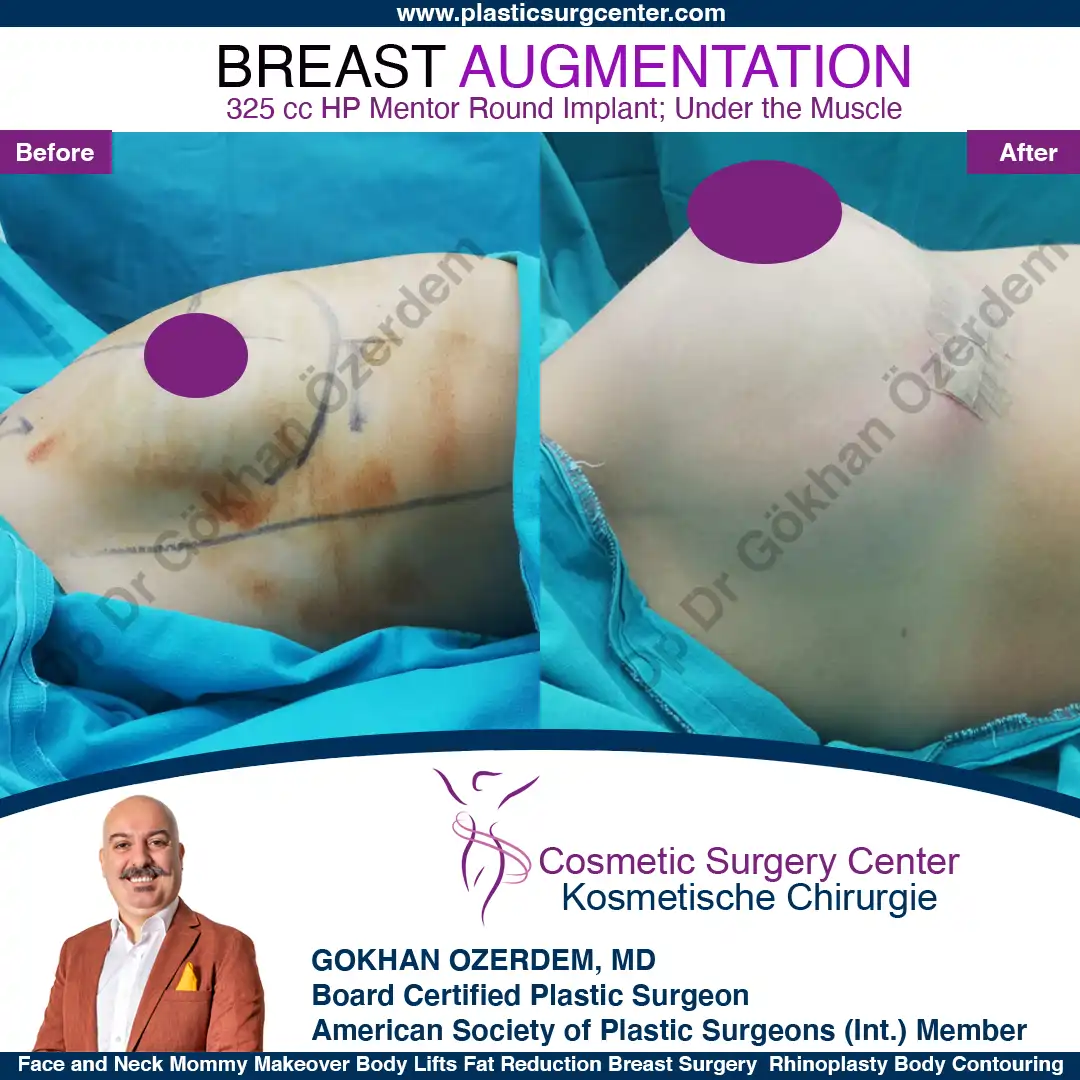
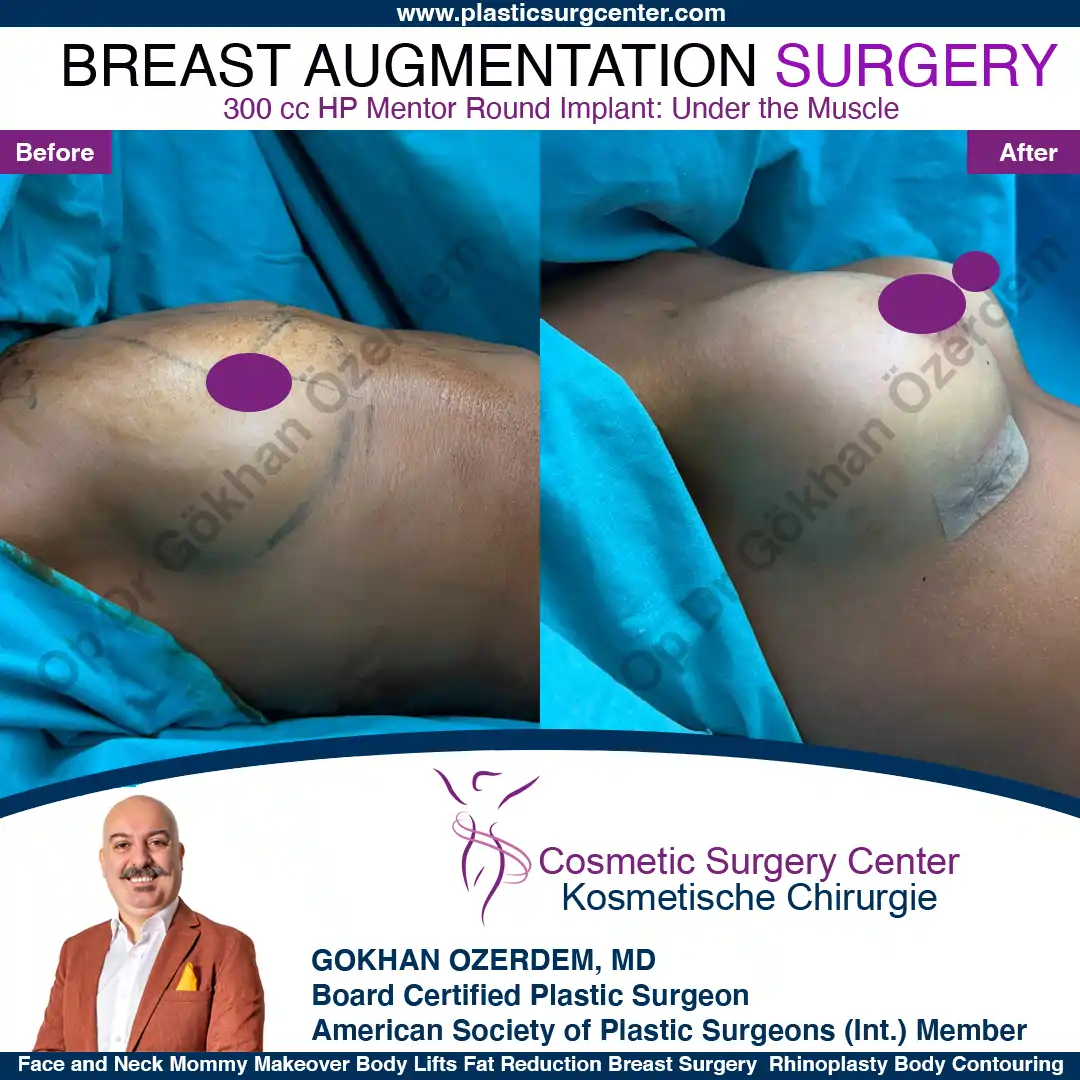
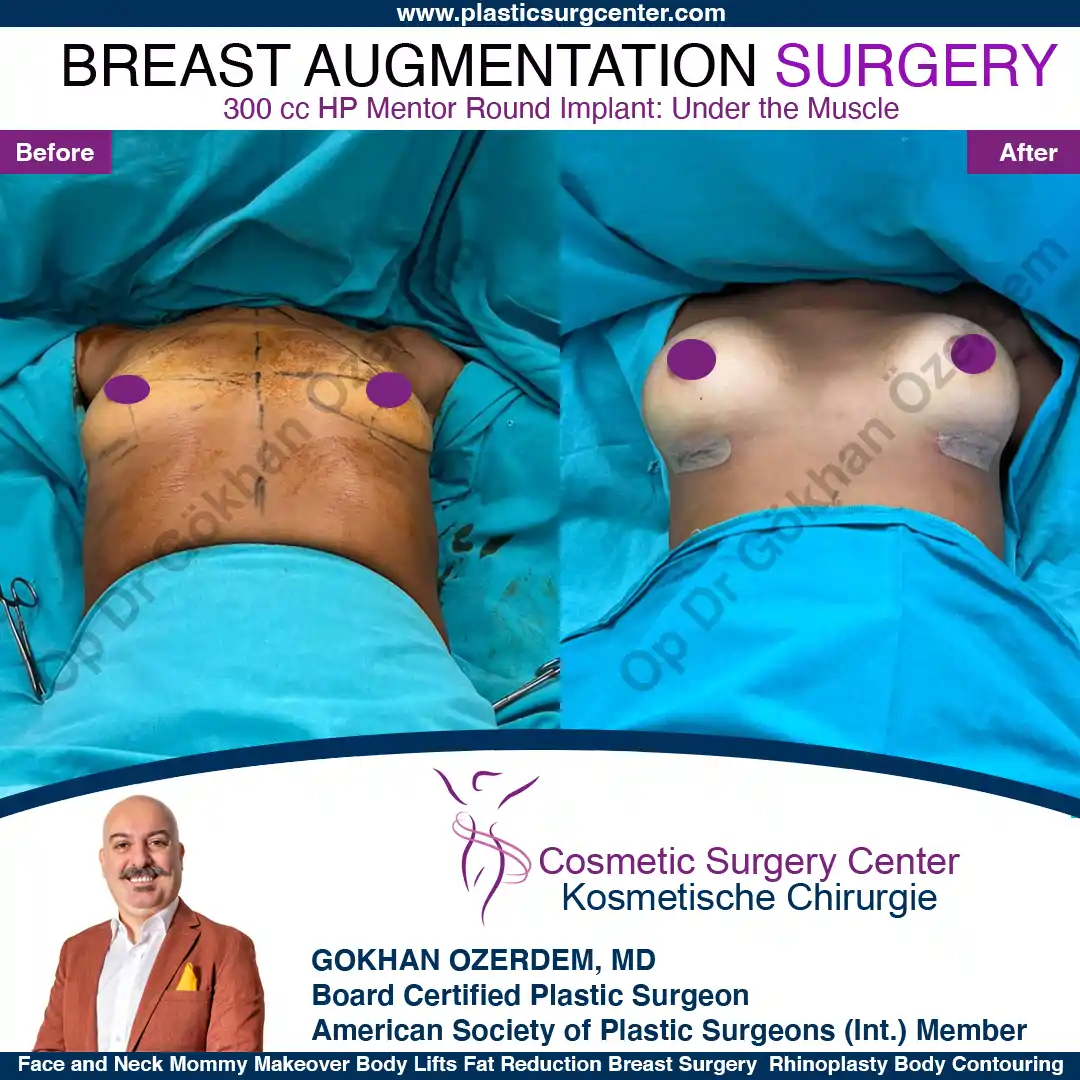
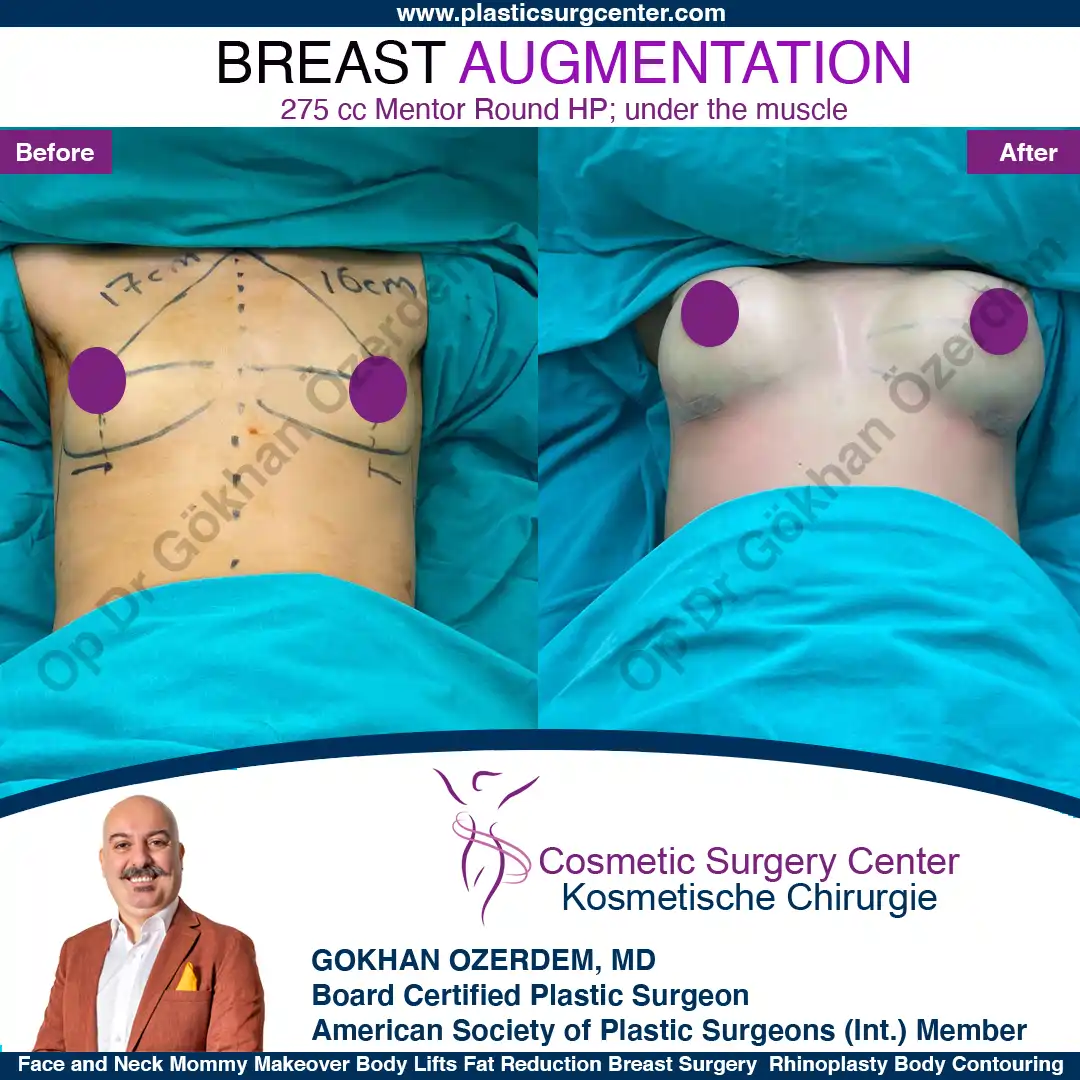
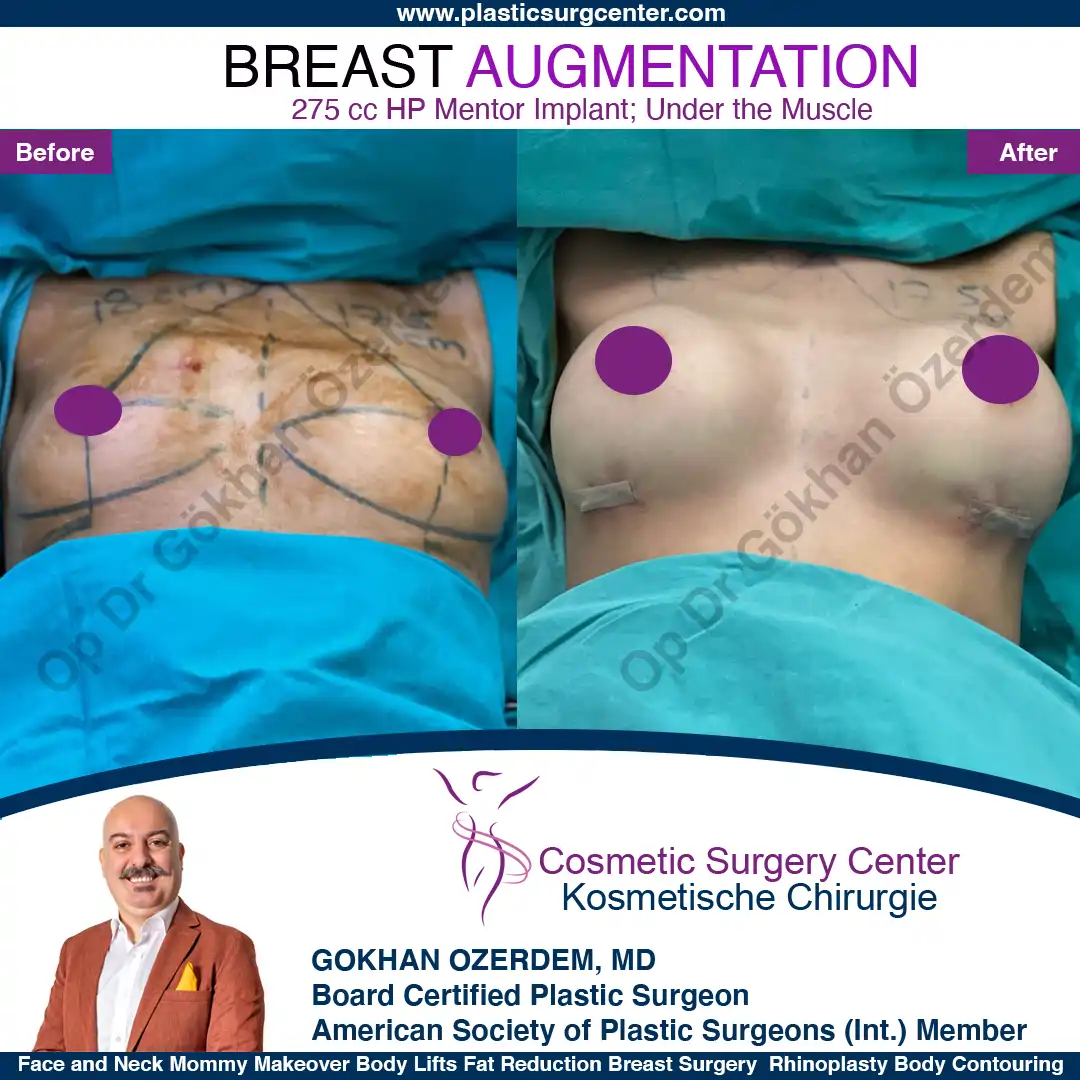
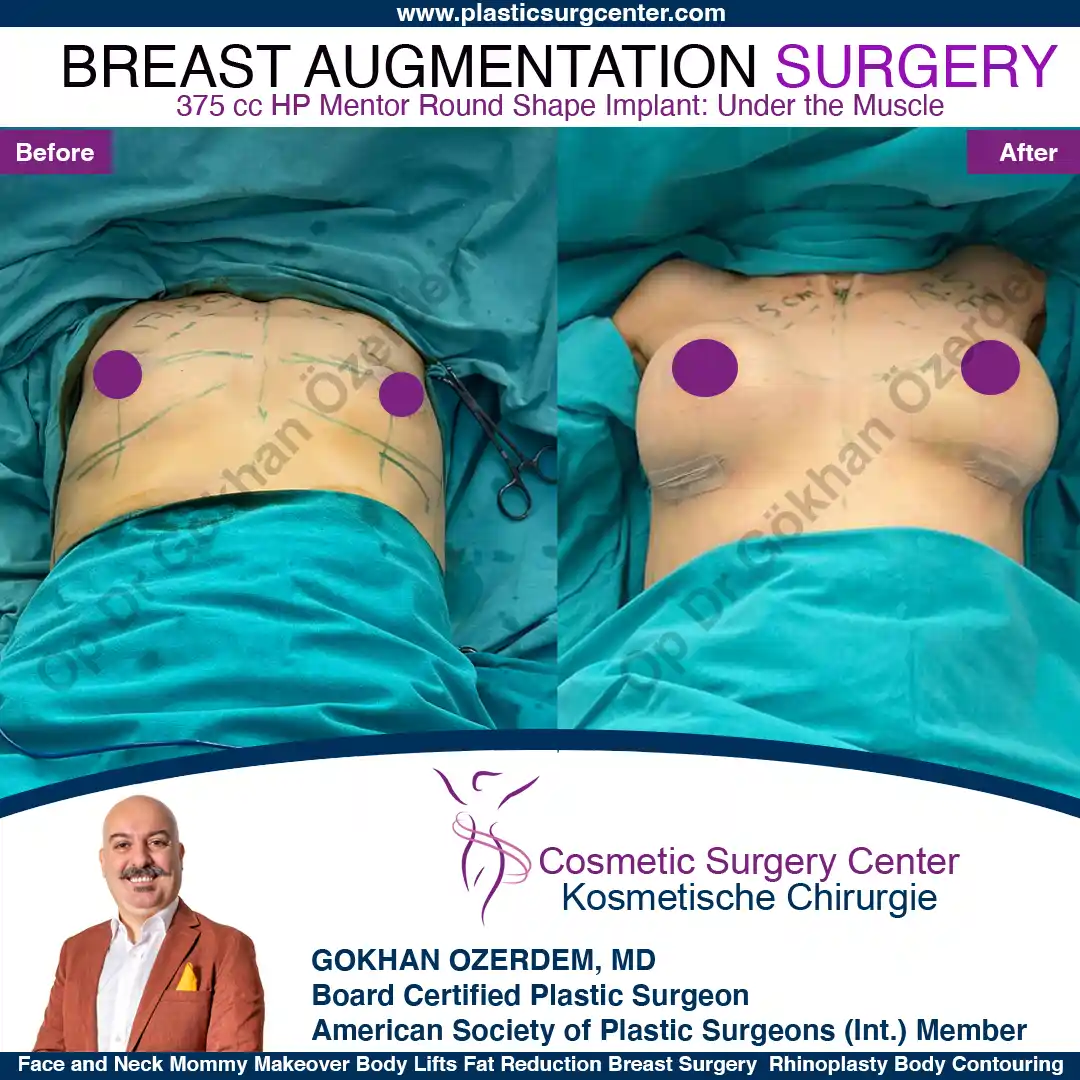
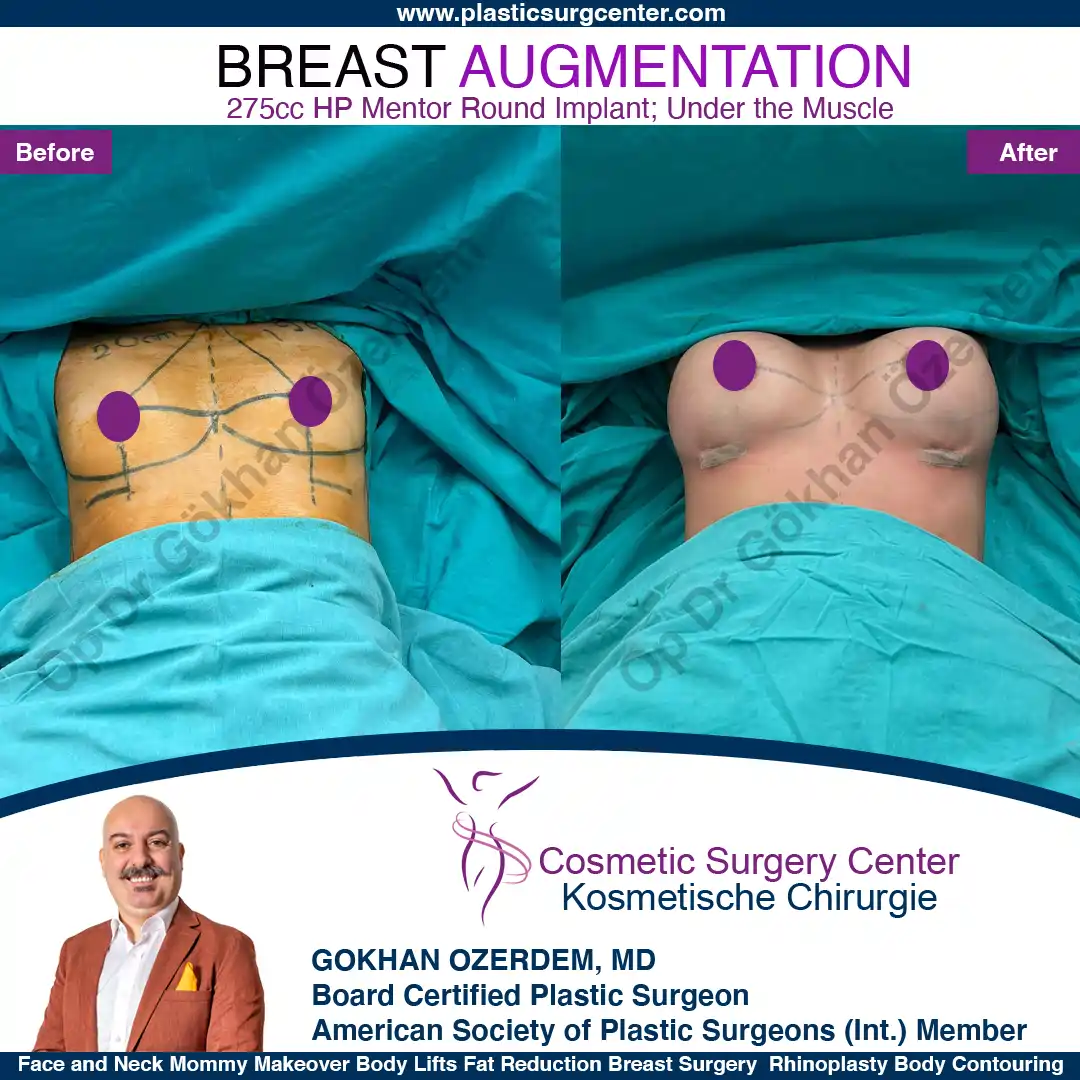
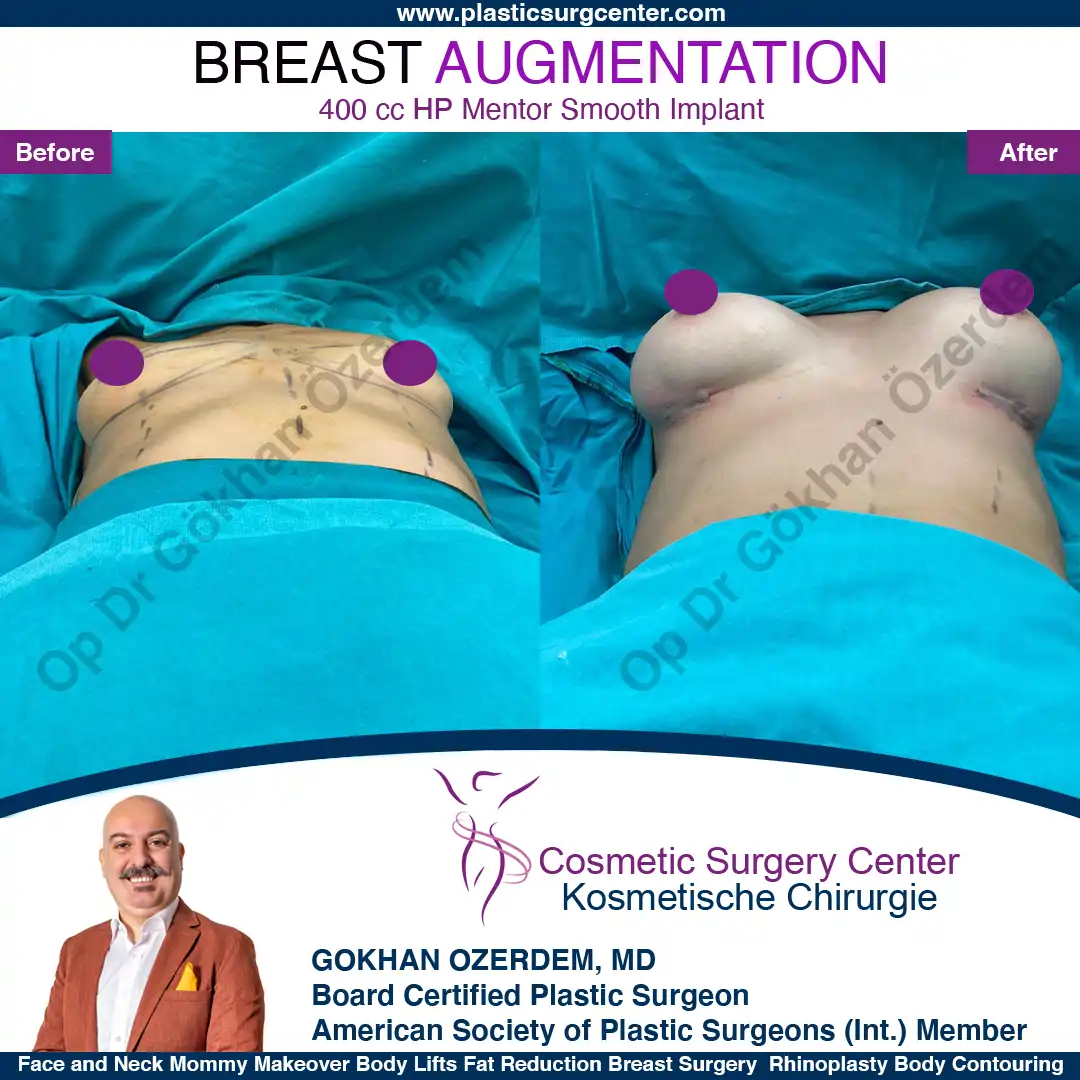
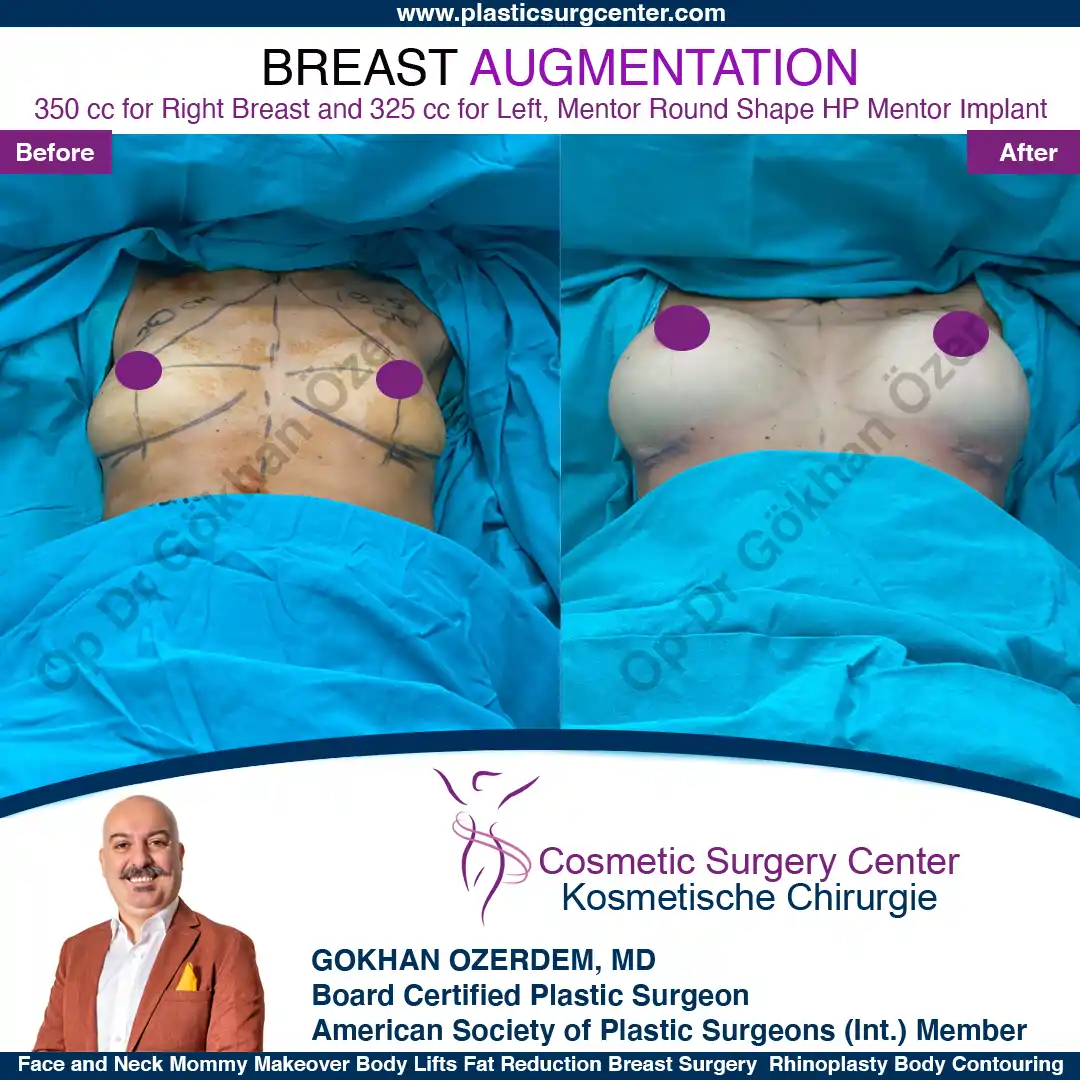
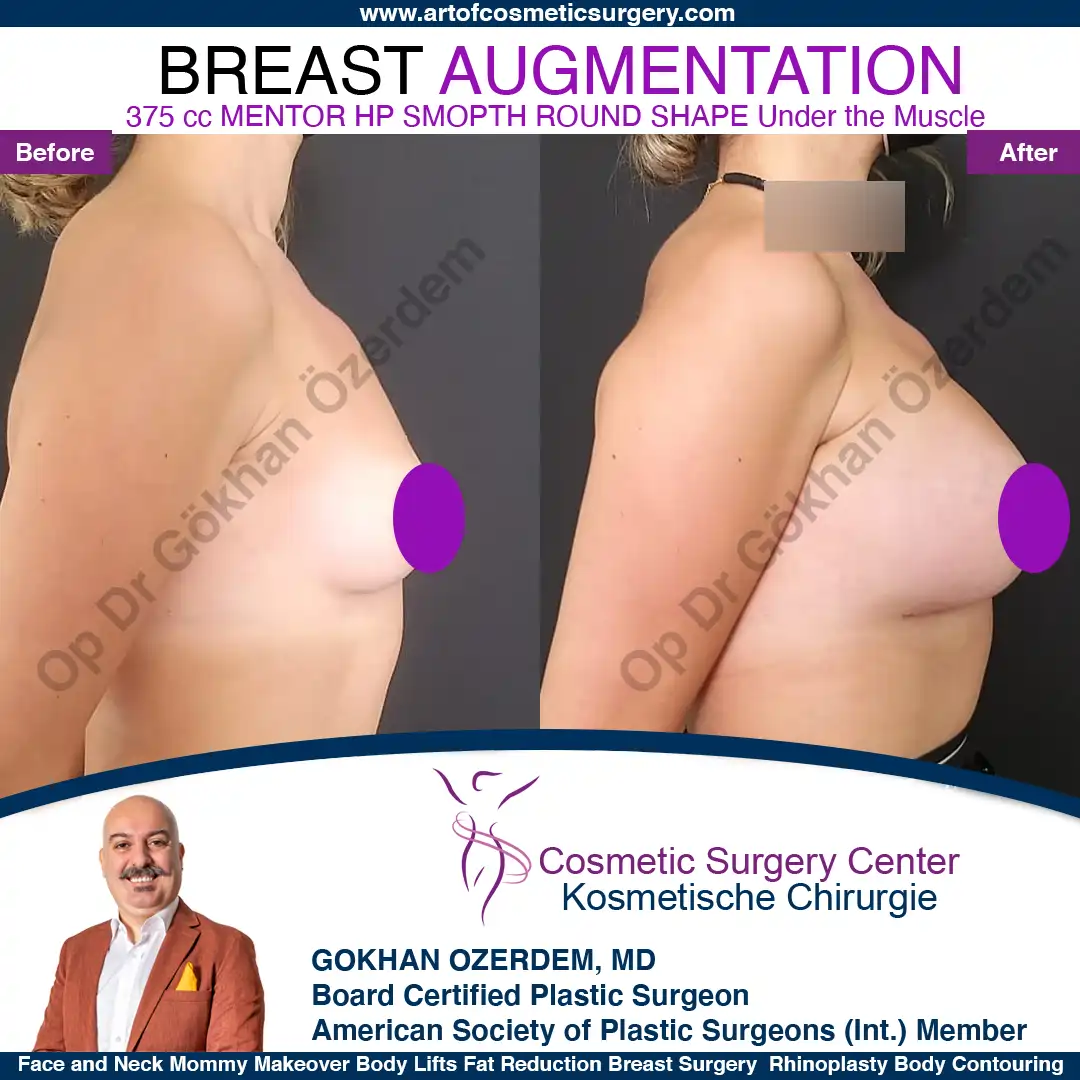
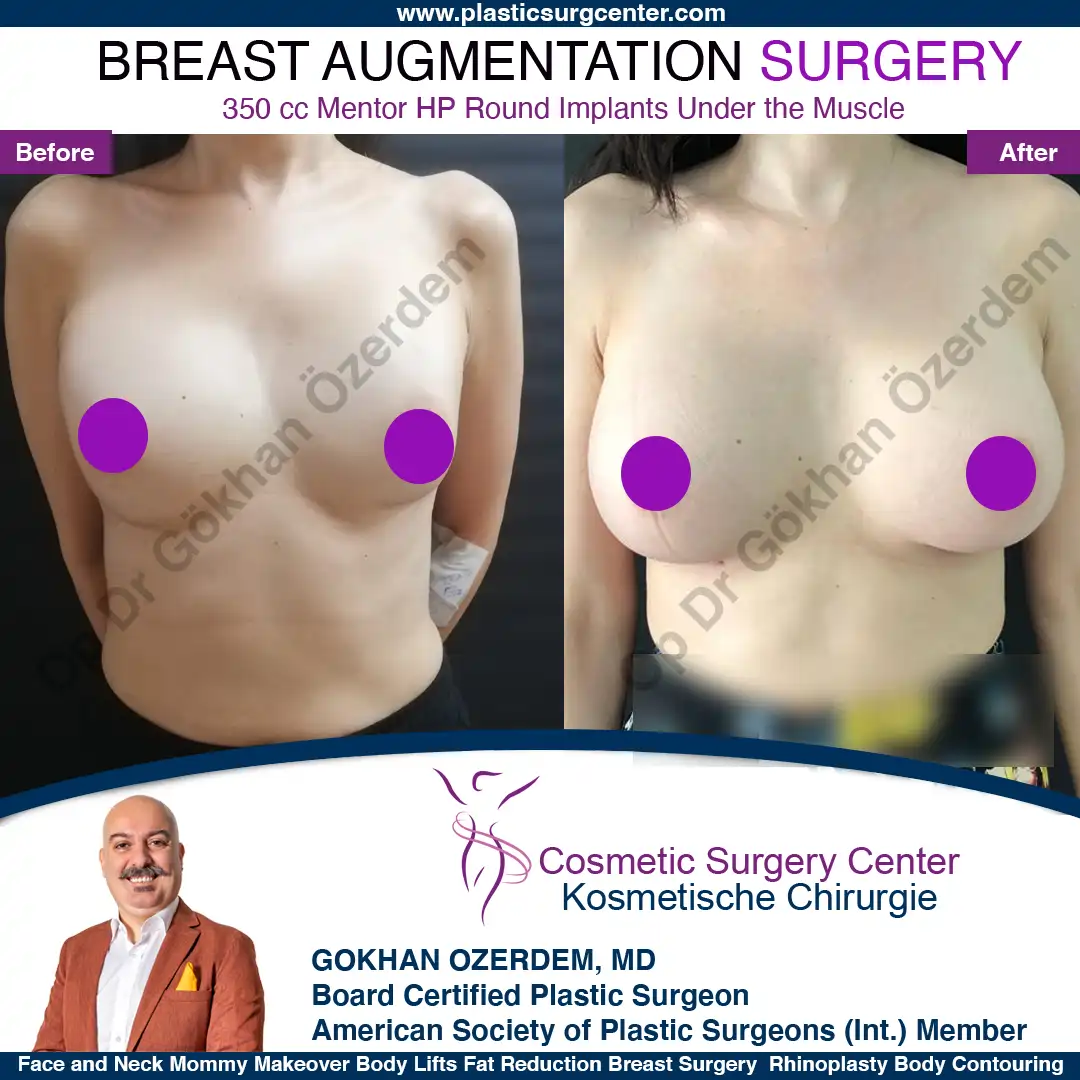
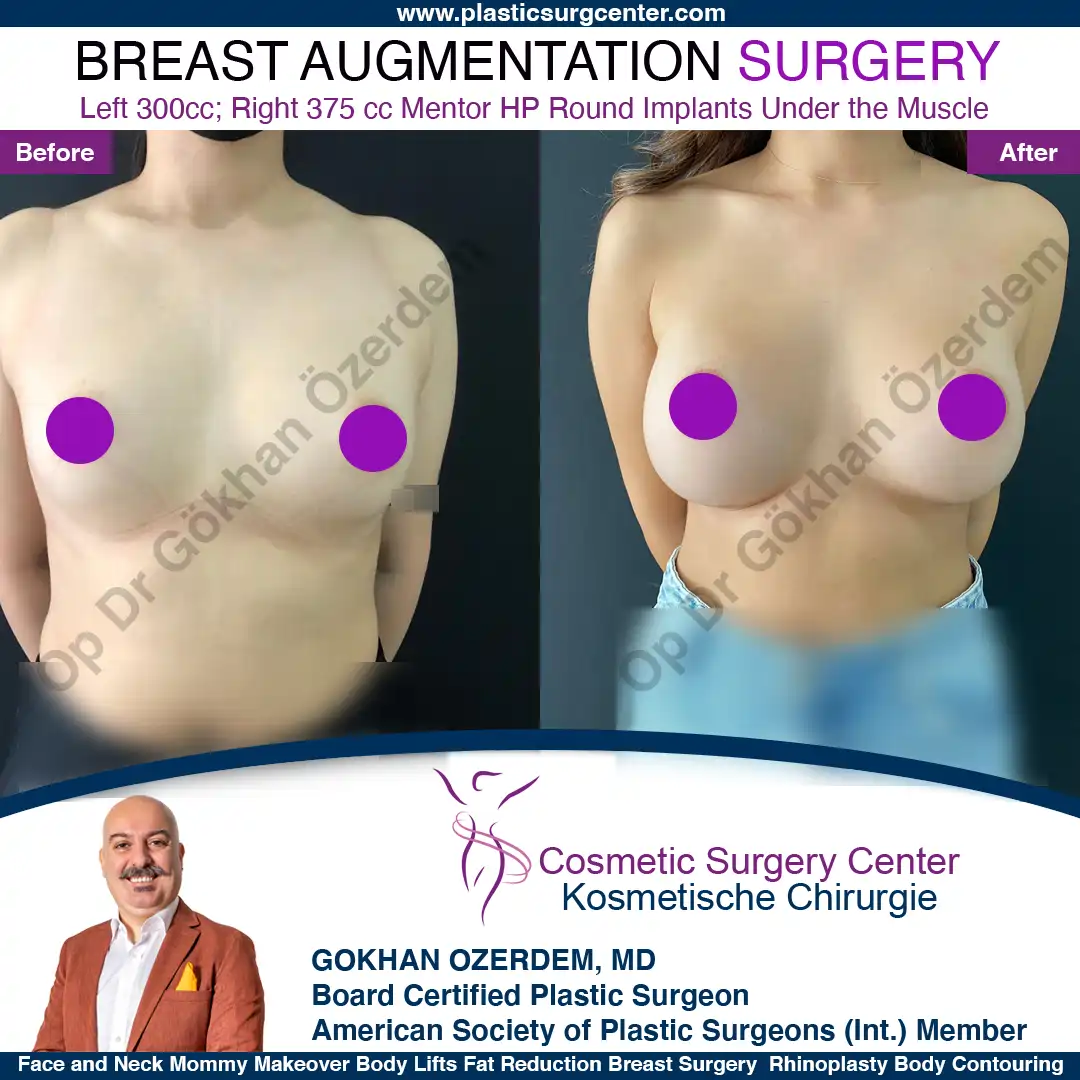
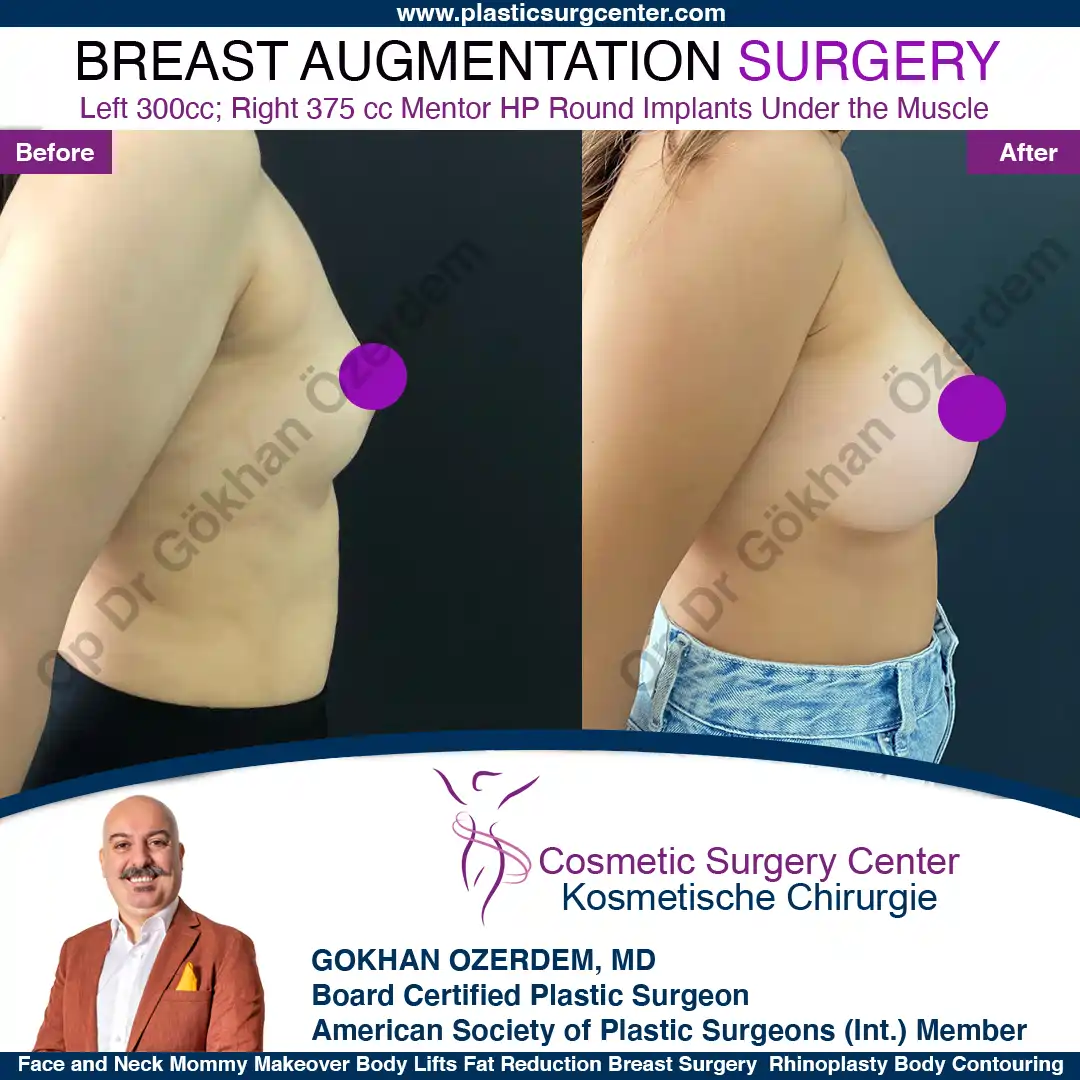
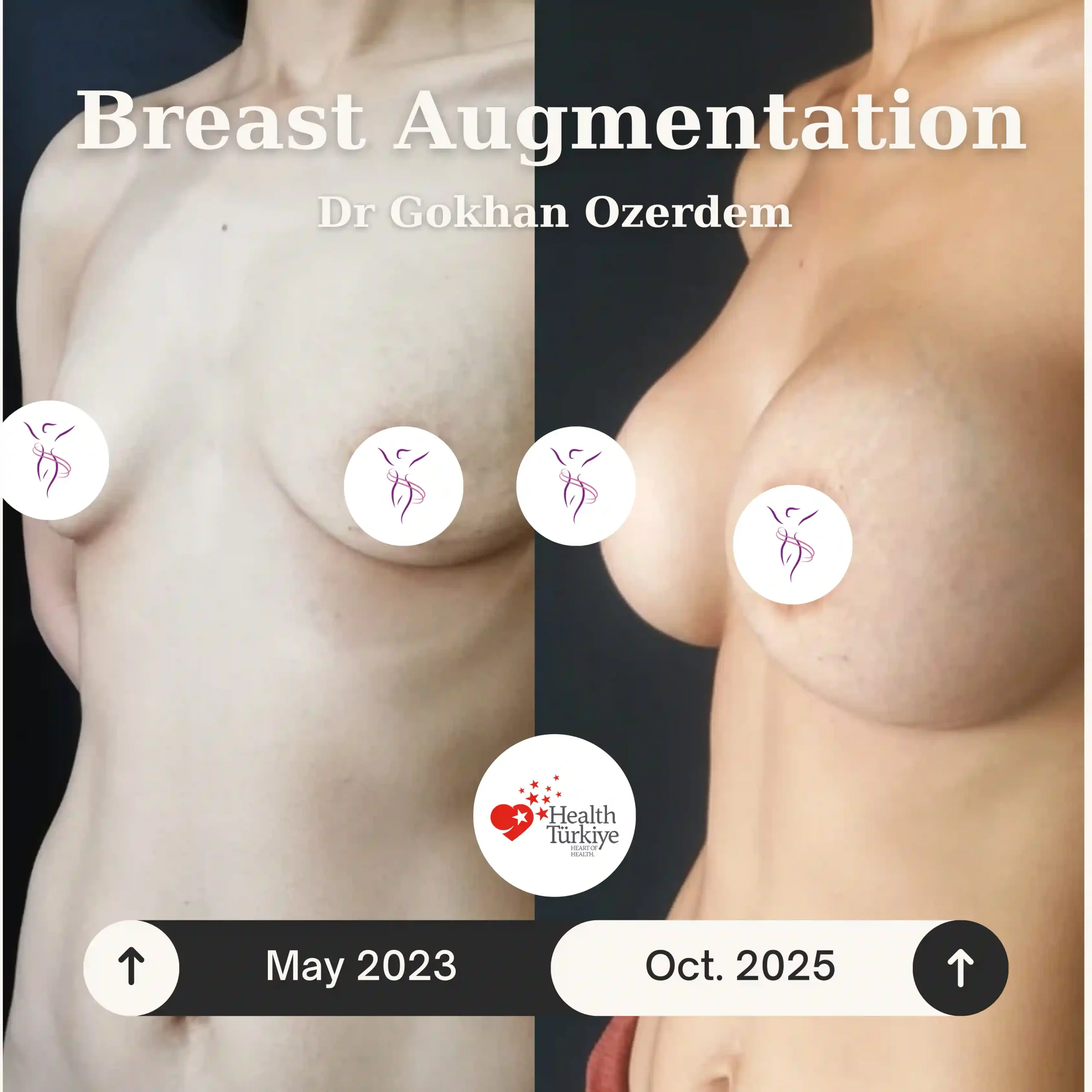
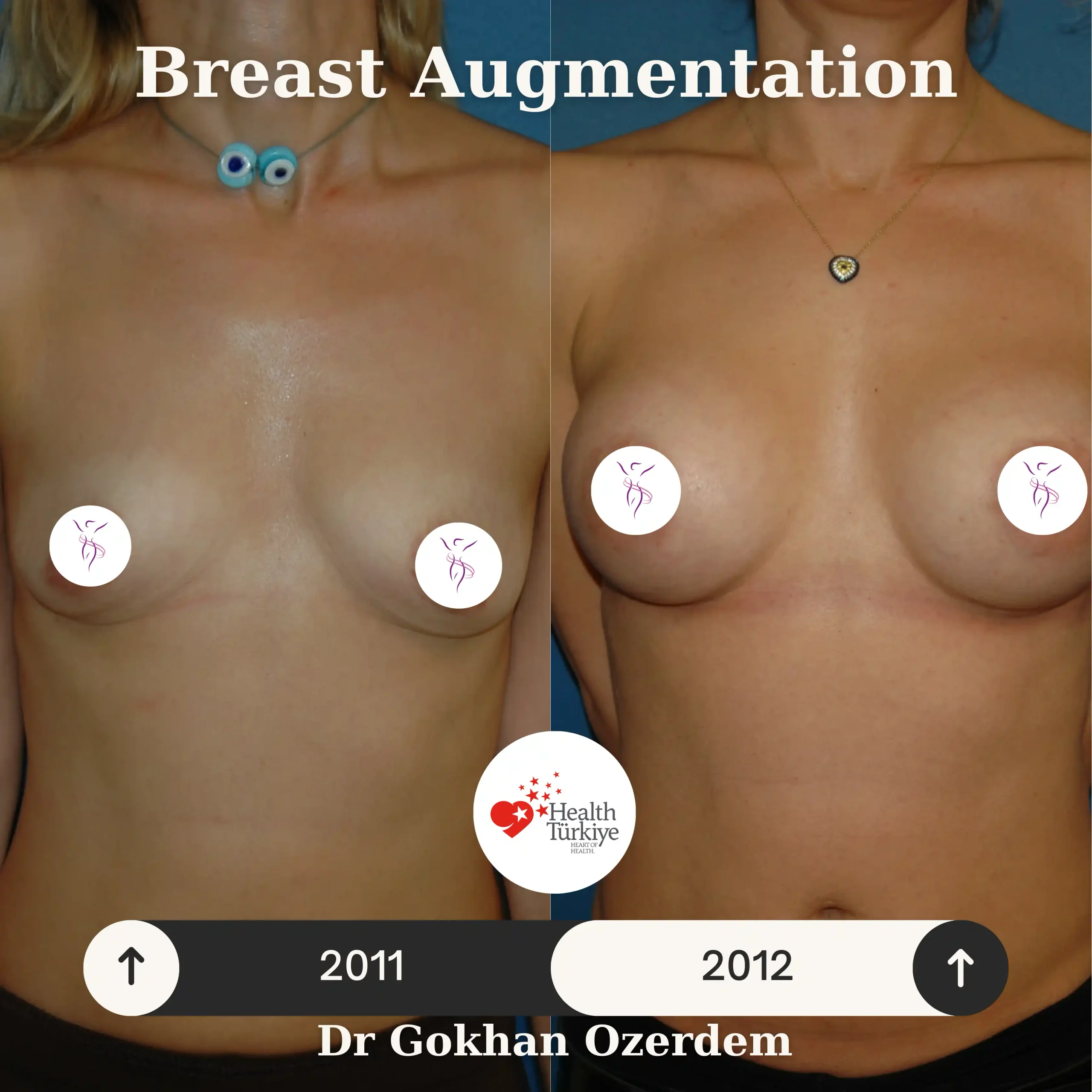
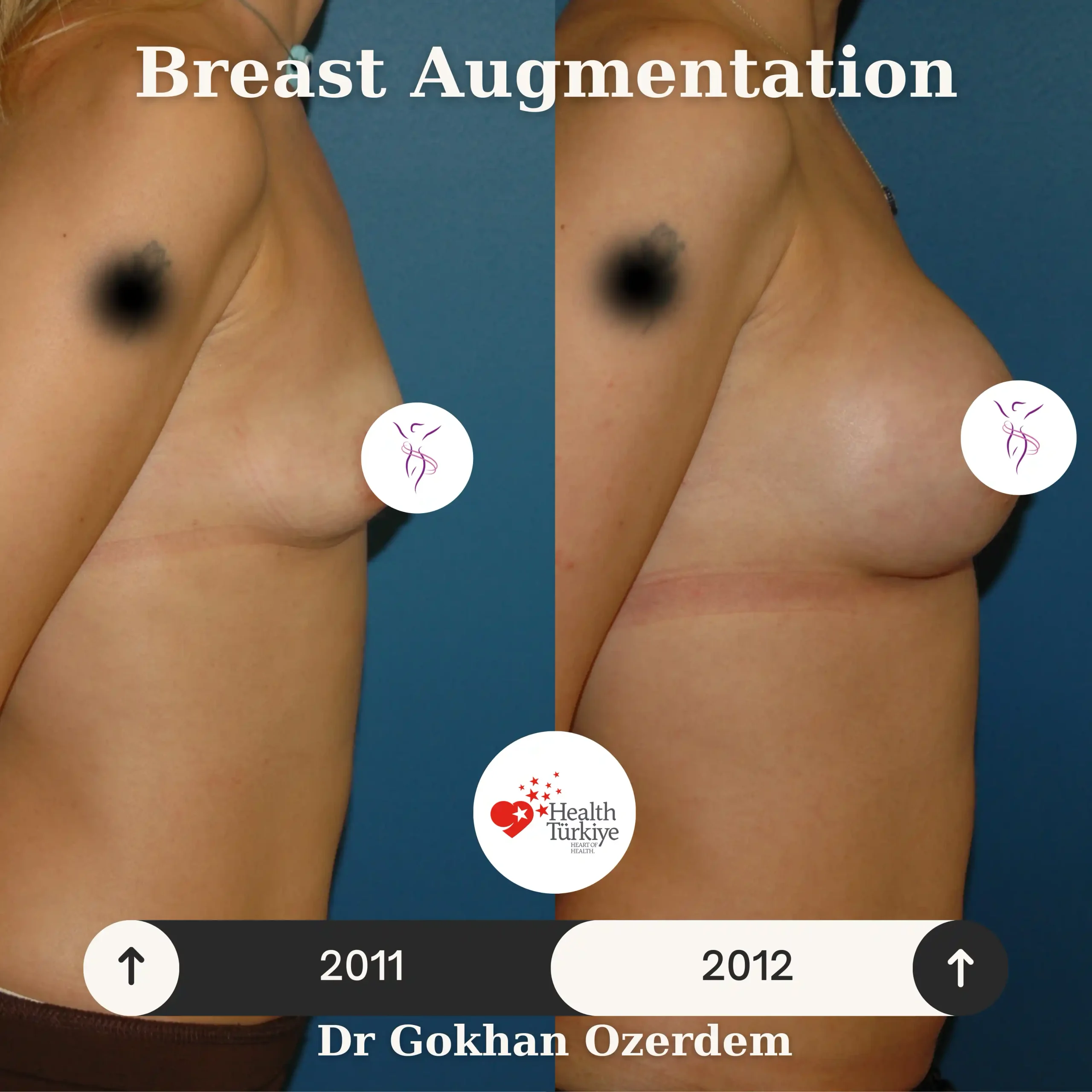
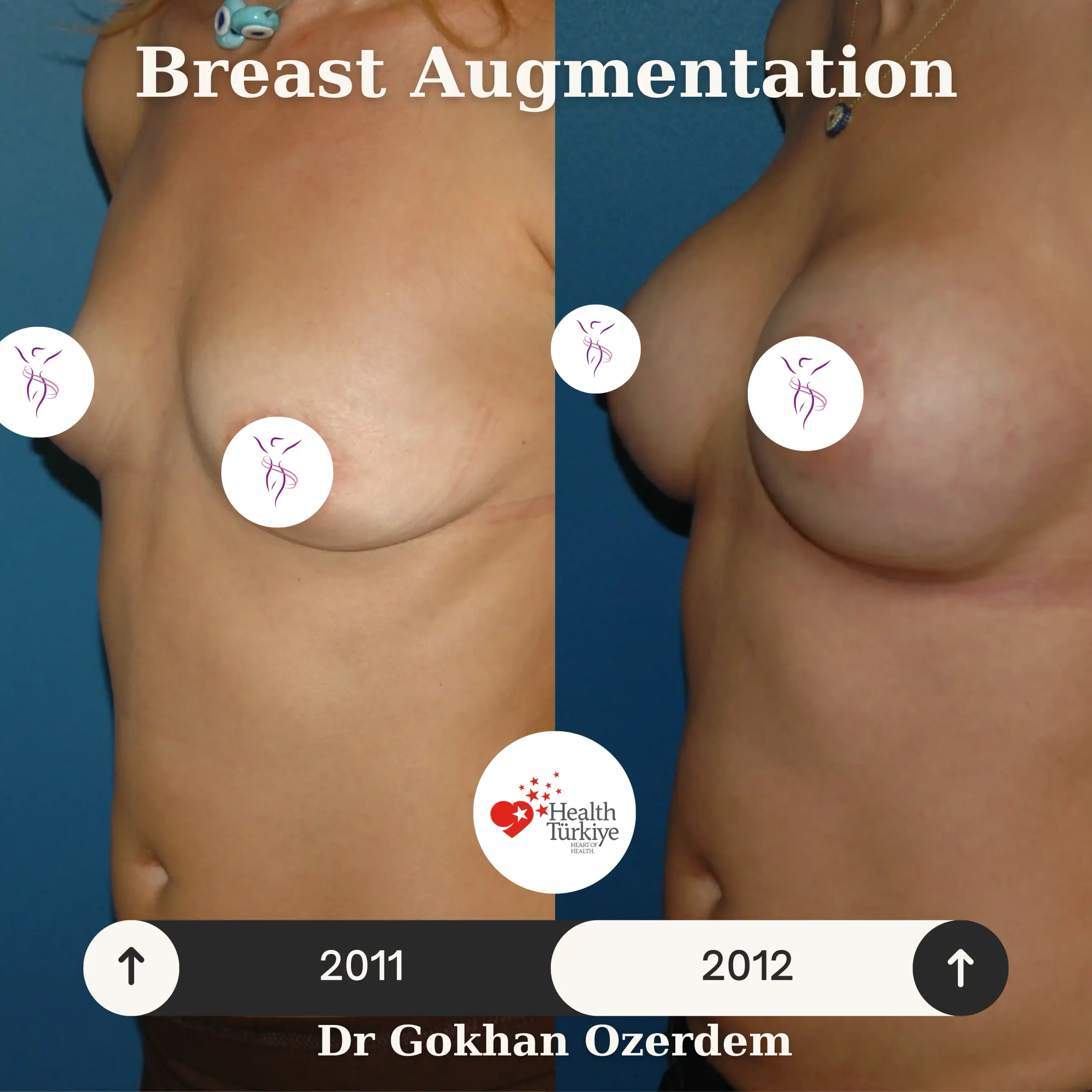
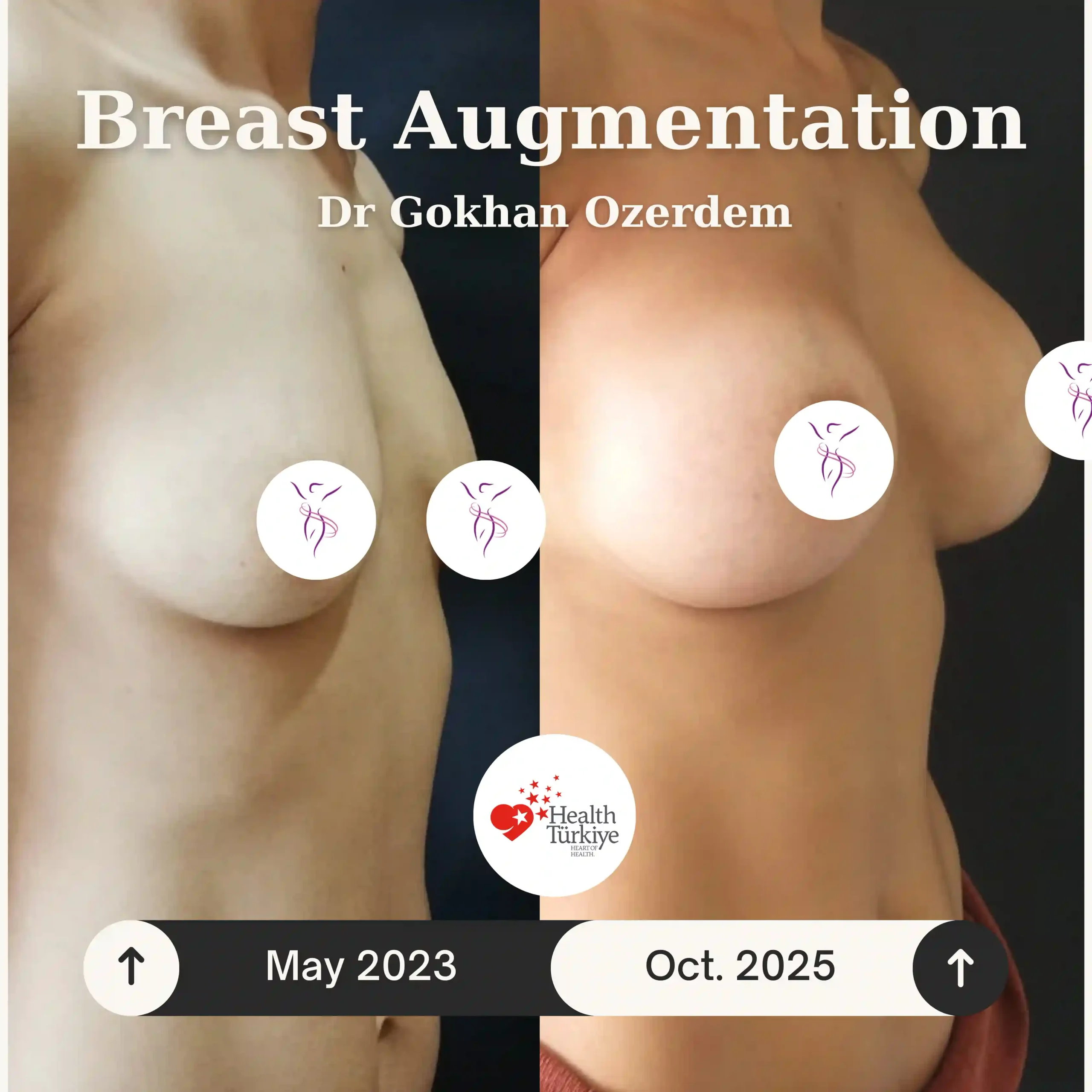
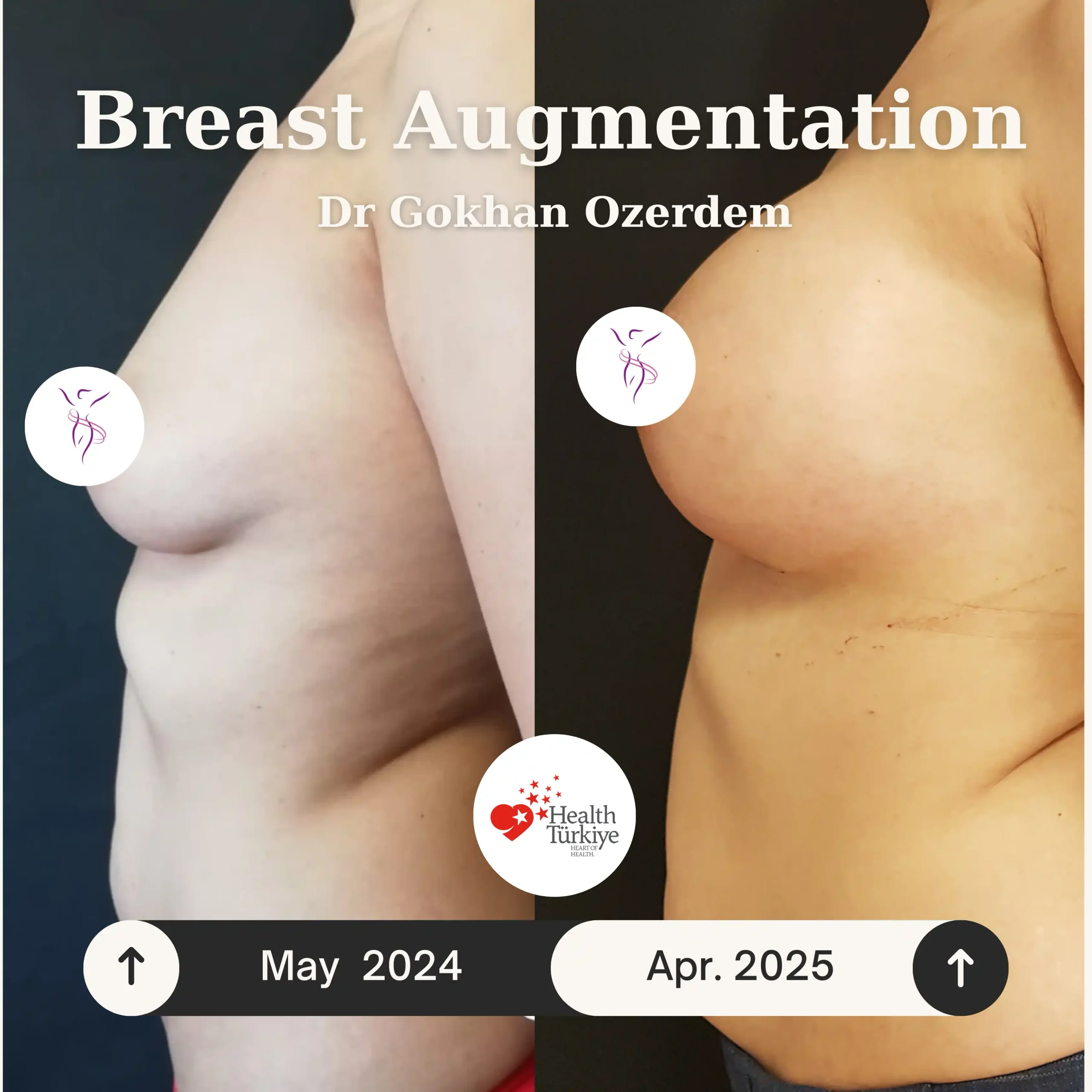
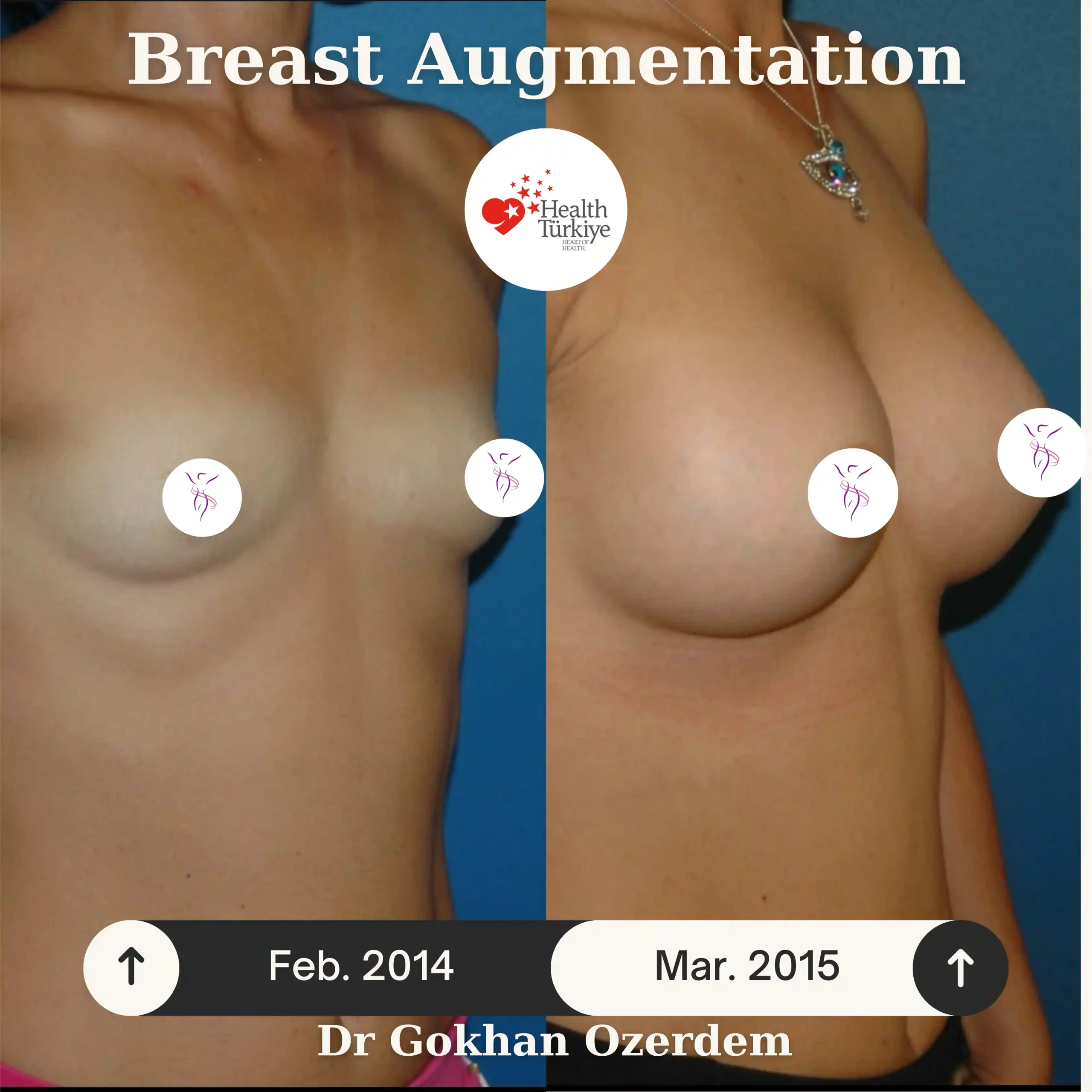
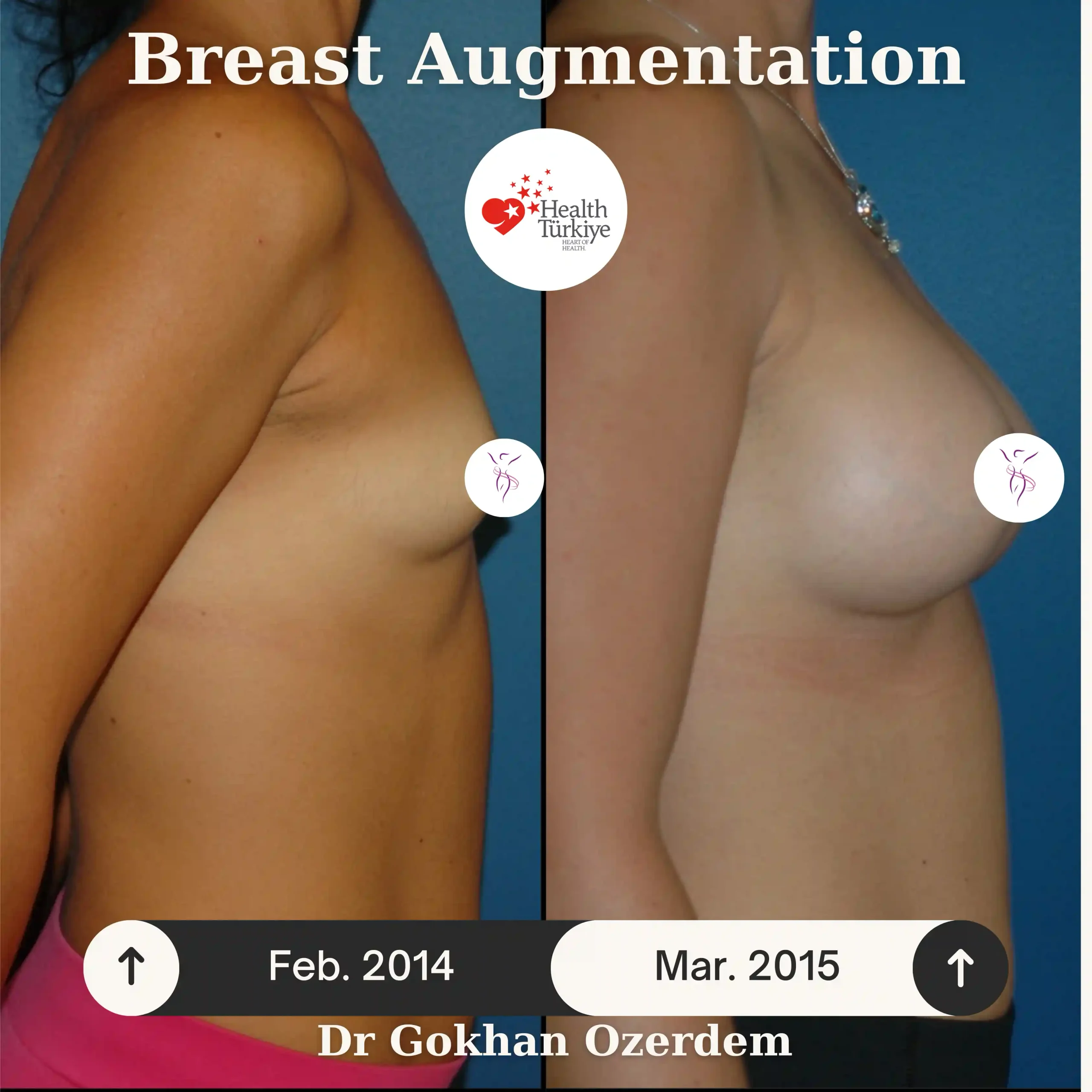
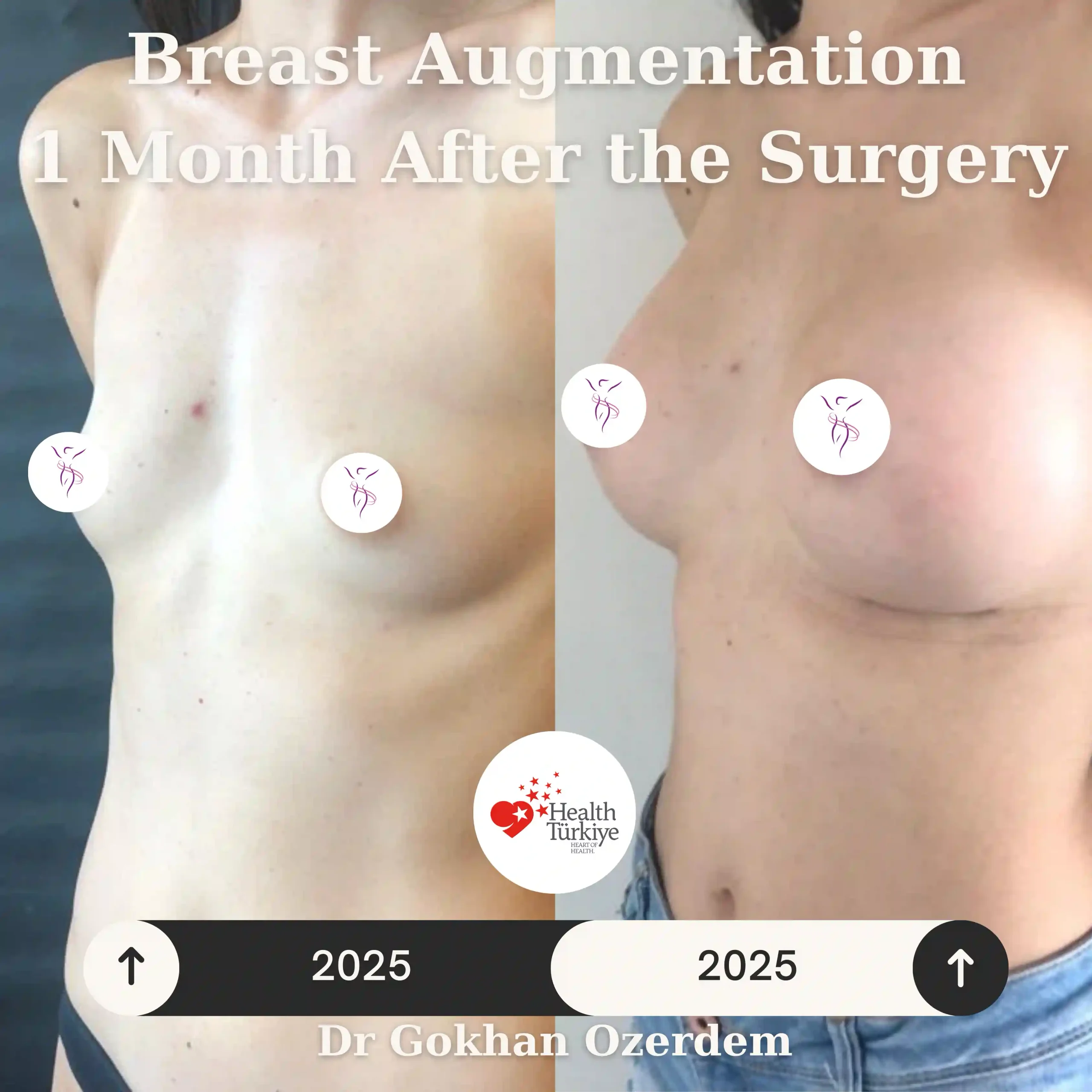
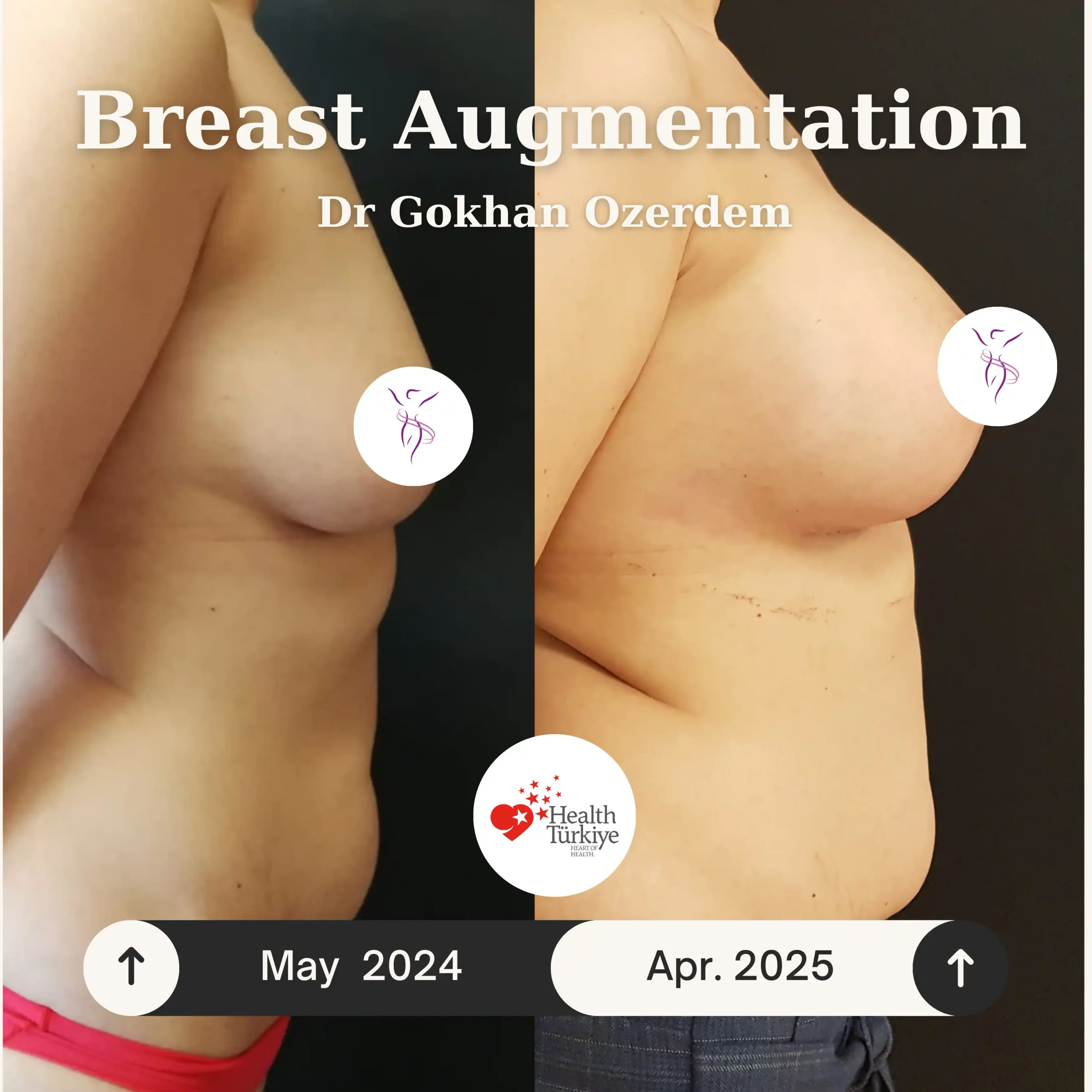
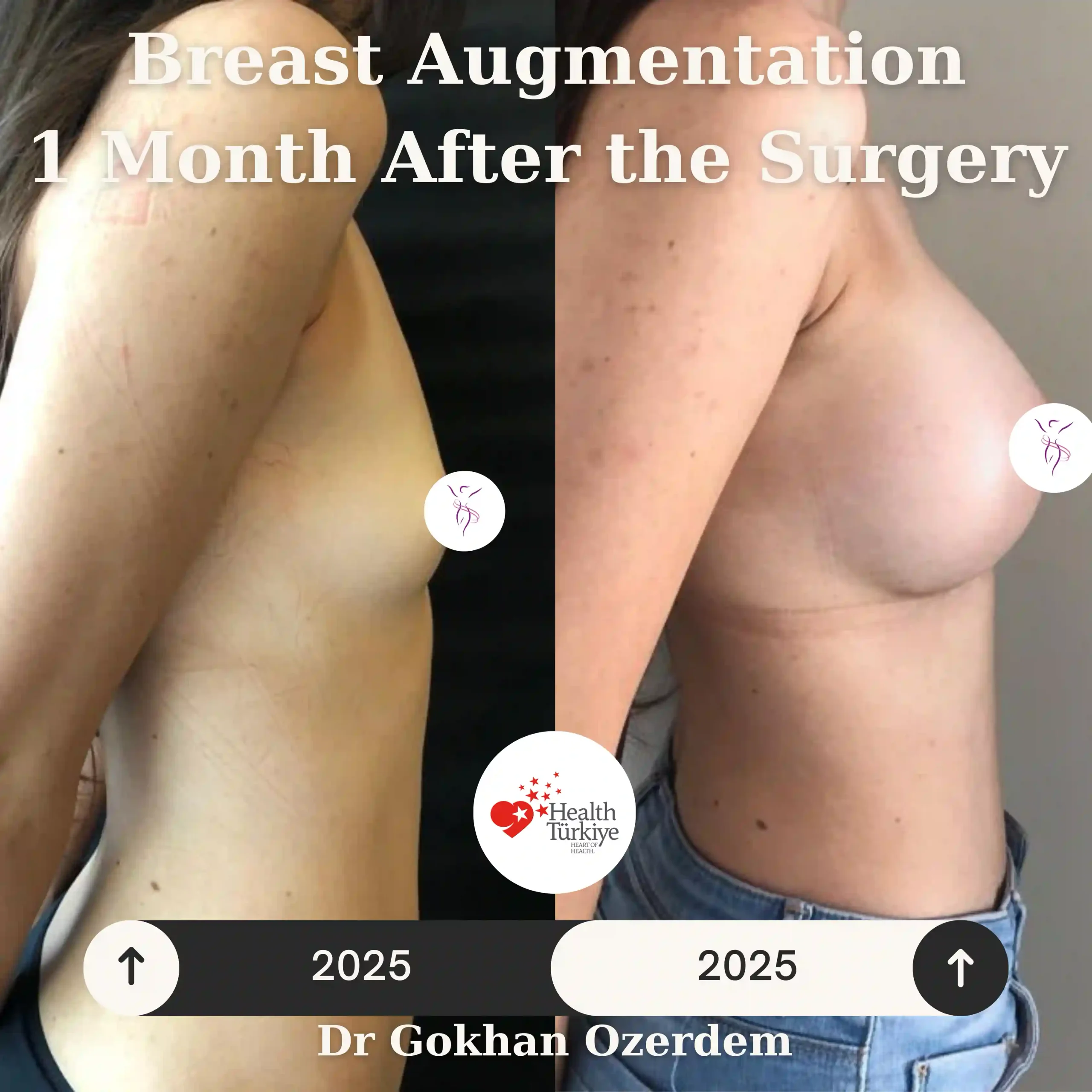
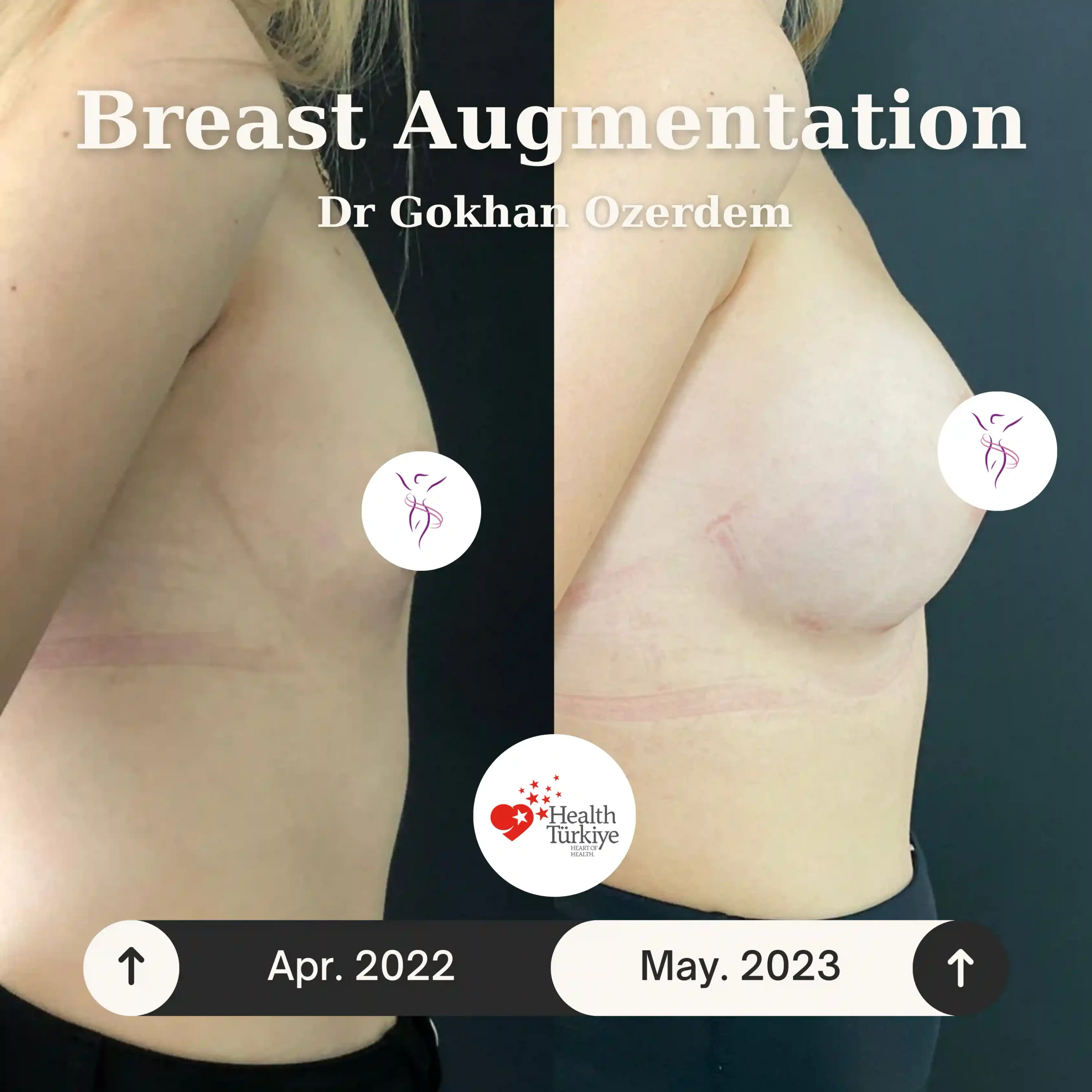
Before and after photographs can help patients understand how implant dimensions, existing breast anatomy and body proportions influence the result.
When reviewing photographs, it is important to remember that the same implant will not produce the same result in two different women.
Breast width, existing volume, chest-wall anatomy, skin quality and tissue thickness all influence the final appearance.
Previous patient photographs should therefore be viewed as examples of individual results rather than as an implant catalogue or a guarantee.
Where Is the Incision?
Inframammary Incision
For breast augmentation, I commonly use an inframammary incision.
This incision is positioned in or close to the natural fold beneath the breast.
I prefer this approach because it provides controlled access to the implant pocket and allows precise placement of the implant.
The scar is positioned where it can usually be concealed beneath the breast.
Initially, the scar may appear pink, firm or more visible.
It generally becomes softer and less conspicuous as it matures.
No surgical scar can be guaranteed to become completely invisible.
Breast Augmentation and Natural Results
A natural-looking breast augmentation does not necessarily mean choosing the smallest possible implant.
It means selecting an implant that works with the patient’s anatomy.
A balanced result depends on:
- Appropriate implant width
- Appropriate projection
- Adequate tissue coverage
- Correct implant position
- Existing breast shape
- Skin quality
I also consider the relationship between the breasts and the rest of the body.
A result that looks proportionate on one patient may look too small or too large on another.
There is no universal ‘natural-looking’ implant size.
Breast Asymmetry
Perfectly symmetrical breasts are uncommon.
Before surgery, many patients have differences in:
- Breast volume
- Breast width
- Nipple height
- Inframammary fold position
- Chest-wall shape
- Degree of sagging
Breast augmentation can sometimes improve noticeable asymmetry, but it cannot guarantee perfectly identical breasts.
In selected patients, different implant dimensions may be considered.
However, implant selection is only one part of asymmetry correction because the underlying breast and chest-wall anatomy also influence the final result.
Breast Augmentation or Breast Lift?
An Implant Does Not Correct Every Sagging Breast
This is an important distinction.
Some patients who request breast augmentation also have significant breast ptosis, or sagging.
A breast implant can restore volume, but it does not always correct a nipple that sits too low or significant excess skin.
If sagging is mild, an implant alone may sometimes provide an acceptable result.
If the breast has descended significantly, breast lift surgery — mastopexy — may also be required.
In some patients, augmentation and breast lift can be combined.
The correct choice depends on:
- Nipple position
- Skin excess
- Existing breast volume
- Desired breast size
- Tissue quality
I do not recommend using an excessively large implant simply to avoid a breast lift when the anatomy genuinely requires lifting.
Breast Augmentation After Pregnancy and Breastfeeding
Pregnancy and breastfeeding can change breast volume and skin elasticity.
Some women notice:
- Reduced breast volume
- Loss of upper-pole fullness
- Increased skin laxity
- Breast sagging
- Changes in nipple position
If the main problem is volume loss without significant sagging, breast augmentation may be sufficient.
If significant ptosis is present, augmentation may need to be combined with a breast lift.
For women who also have abdominal changes after pregnancy, breast surgery may sometimes form part of a Mommy Makeover, provided the combination of procedures is medically appropriate.
Can I Breastfeed After Breast Augmentation?
In most patients, breast augmentation does not prevent future breastfeeding.
The implant is positioned behind the breast tissue and, in my practice, is frequently placed partly or predominantly beneath the chest muscle.
The implant itself does not mix with breast milk.
However, no surgeon can guarantee future breastfeeding because the ability to breastfeed depends on many factors, including breast anatomy, pregnancy-related changes and individual physiology.
Women planning future pregnancies should discuss this before surgery.
Do Breast Implants Cause Breast Cancer?
Breast implant safety should be discussed accurately rather than reduced to a simple slogan.
Standard breast implants have not been shown to cause ordinary breast cancer.
However, breast implants are associated with specific recognised complications and rare implant-associated conditions.
For this reason, patients should know:
- Which implant they have
- Why it was selected
- What long-term follow-up may be appropriate
- Which unusual symptoms should prompt medical assessment
I provide patients with the relevant implant documentation and certificate after surgery.
Breast implants should be treated as medical devices that require informed long-term awareness.
What Type of Breast Implants Do I Use?
I use modern breast implants from established manufacturers that meet the regulatory requirements applicable to my practice.
Implant selection is based on factors including:
- Implant dimensions
- Surface characteristics
- Shape
- Projection
- Patient anatomy
- Soft-tissue coverage
I use implants that meet the relevant Turkish Ministry of Health requirements and, where applicable, internationally recognised regulatory standards.
The specific implant planned for your operation is discussed before surgery.
After the operation, you receive documentation identifying your implants.
Do Breast Implants Need to Be Replaced Every 10 Years?
Not automatically.
Breast implants are not lifetime devices, but this does not mean that every implant must be replaced on its tenth anniversary.
Further surgery may become necessary because of:
- Implant rupture
- Capsular contracture
- Implant displacement
- Breast changes
- Pregnancy
- Weight changes
- Ageing
- Patient preference
- Other implant-related problems
If the breasts remain satisfactory and there is no clinical indication for surgery, replacement is not automatically required simply because a fixed number of years has passed.
Long-term follow-up remains important.
What Is Capsular Contracture?
The body naturally forms a layer of scar tissue, called a capsule, around a breast implant.
In most patients, this capsule remains soft.
In some patients, the capsule can become unusually firm and contract around the implant.
This is called capsular contracture.
It may cause:
- Breast firmness
- Change in breast shape
- Discomfort
- Implant displacement
The severity varies.
Significant capsular contracture may require further surgery.
It is one of the recognised long-term risks that should be understood before breast augmentation.
Breast Implant Rupture
Breast implants can rupture.
Modern silicone implants contain cohesive silicone gel, but rupture still requires appropriate medical assessment.
A rupture may not always cause obvious external changes.
For this reason, patients should follow appropriate long-term medical advice regarding their implants.
If rupture is confirmed, further treatment may be required.
Do I Recommend Fat Transfer for Breast Augmentation?
Why Breast Implants Remain My Preferred Method for Primary Augmentation
Fat transfer to the breast is offered by some surgeons and can have selected indications.
However, I do not routinely recommend fat transfer as my primary method for significant breast enlargement.
One limitation is that not all transferred fat survives permanently.
Fat can be reabsorbed, which makes the final retained volume less predictable.
Fat transfer can also result in:
- Fat necrosis
- Oil cysts
- Calcifications
- Imaging changes
These changes may require assessment during future breast imaging.
For patients seeking a predictable and meaningful increase in breast volume, I generally prefer appropriately selected breast implants.
This reflects my own surgical approach rather than suggesting that fat transfer has no legitimate role in breast surgery.
Can Breast Implants Correct Tubular or Unusual Breast Shapes?
Some patients have developmental breast characteristics that require more than simple implant placement.
These may include:
- Constricted breast base
- Tubular or tuberous breast characteristics
- Significant asymmetry
- Abnormal inframammary fold position
- Unusual nipple–areola relationships
In these patients, the operation must address the underlying breast shape as well as volume.
Simply inserting an implant may not be sufficient.
These cases require individual surgical planning.
Anaesthesia and Hospital
I perform breast augmentation under general anaesthesia in a fully equipped hospital in Antalya, Turkey.
Before surgery, appropriate medical assessment is completed.
The operation involves creating the planned implant pocket, inserting the selected implants and carefully closing the incisions.
Patient safety, implant sterility and precise surgical technique are important throughout the procedure.
Recovery After Breast Augmentation
Pain, pressure, tightness and swelling are expected during the early recovery period.
Patients with submuscular or dual-plane implants may particularly notice muscular tightness during the first days.
These symptoms gradually improve.
During recovery, patients should follow instructions regarding:
- Surgical bra or support garment
- Sleeping position
- Arm movements
- Showering
- Wound care
- Medication
- Driving
- Exercise
- Lifting
- Smoking
Recovery varies between patients, so postoperative instructions should be individualised.
Why Do Breast Implants Look High at First?
Patients sometimes worry because the breasts appear firm or relatively high during the early postoperative period.
This can be part of normal early healing.
Swelling, muscle tightness and tissue resistance influence the initial breast shape.
As healing progresses, the tissues gradually relax and the breasts settle.
The early postoperative appearance should therefore not be regarded as the final result.
When Can I Return to Exercise?
Return to exercise should be gradual.
Light daily activity can generally begin before strenuous upper-body exercise.
Activities involving the chest muscles, heavy lifting or significant impact require a longer period of restriction.
I give patients an individual timetable according to their surgery and recovery.
Returning too quickly to strenuous exercise is not beneficial.
When Will I See the Final Result?
The initial increase in breast volume is visible immediately, but swelling and tissue tightness affect the early appearance.
Over the following weeks and months:
- Swelling decreases
- Tissues soften
- Implant position settles
- Breast contour becomes more natural
- Scars begin to mature
The final result should therefore not be judged during the first days after surgery.
Risks and Limitations of Breast Augmentation
Breast augmentation is a commonly performed operation, but it remains surgery and involves both surgical and implant-related risks.
Potential risks include:
- Bleeding
- Infection
- Haematoma
- Seroma
- Delayed wound healing
- Unfavourable scarring
- Changes in nipple or breast sensation
- Breast asymmetry
- Capsular contracture
- Implant displacement
- Implant rotation where relevant
- Implant rupture
- Rippling or implant visibility
- Changes in breast shape over time
- Need for further surgery
- Anaesthetic complications
- Rare implant-associated conditions
No breast implant can be guaranteed to remain complication-free for life.
The relevant risks, implant information and possible need for future surgery are discussed before the operation.
Breast Augmentation in Turkey for International Patients
Travelling to Antalya for Breast Implant Surgery
International patients considering breast augmentation can begin with a preliminary assessment before travelling to Turkey.
My team may request:
- Medical history
- Current medication
- Previous breast surgery
- Pregnancy and breastfeeding history
- Relevant breast conditions
- Previous breast imaging where appropriate
- Photographs for preliminary assessment
Your preferences regarding breast size and shape are also discussed.
However, final implant selection cannot be based on photographs alone.
After you arrive in Antalya, I examine the breasts and chest personally, take the necessary measurements and confirm the surgical plan.
How Long Should I Stay in Antalya After Breast Augmentation?
International patients should allow sufficient time for surgery and early postoperative follow-up.
For many patients undergoing breast augmentation, I generally recommend planning approximately 7–10 days in Antalya, although the appropriate period depends on the operation and individual recovery.
During this period, my team and I can monitor early healing and perform the necessary postoperative checks.
Your travel schedule should be based on recovery rather than the shortest possible stay.
Why Choose Dr Gökhan Özerdem for Breast Augmentation?
Breast augmentation should not begin with the question:
‘How many cc?’
The surgeon first needs to understand:
- Breast width
- Chest anatomy
- Existing breast tissue
- Skin quality
- Breast symmetry
- Nipple position
- Degree of sagging
- Desired change
- Tissue capacity
With more than 25 years of surgical experience, I select implant dimensions and surgical technique according to these anatomical factors.
In suitable patients, I commonly use round implants with a submuscular or dual-plane approach and frequently use an inframammary incision.
I also explain when a requested implant is larger than I believe the patient’s tissues should safely accommodate.
Sometimes the correct surgical decision is not to use a larger implant.
My responsibility is not simply to give the patient the largest breast she requests. It is to recommend an operation that I believe is appropriate for her anatomy and tissues.
Frequently Asked Questions About Breast Augmentation
I consider your breast width, chest dimensions, existing breast tissue, skin quality, desired volume and overall body proportions. Implant volume in cc is only one part of the decision.
Your preferences are important, but the implant must also be suitable for your anatomy. I do not recommend an excessively large implant when I believe the tissues cannot accommodate it appropriately.
In my practice, I commonly prefer round implants, particularly with submuscular or dual-plane placement. The final decision depends on the individual patient’s anatomy.
I frequently use a submuscular or dual-plane approach in suitable patients. The exact implant plane is selected according to breast anatomy and tissue coverage.
Dual-plane augmentation combines muscle coverage in the upper breast with controlled adjustment of the relationship between the muscle and lower breast tissue. It can be useful in selected patients.
I commonly use an incision in or near the inframammary fold beneath the breast. This provides controlled access for implant placement and positions the scar in a relatively concealed area.
Yes, when implant dimensions, position and tissue coverage are appropriate for the patient’s anatomy. Natural appearance depends on much more than simply choosing a small implant.
Only to a limited degree. If significant breast ptosis is present, a breast lift may be required. I do not recommend using an excessively large implant simply to avoid necessary lifting.
Yes, in suitable patients. When both volume loss and significant sagging are present, augmentation and mastopexy may sometimes be combined.
Most women can potentially breastfeed after breast augmentation, but future breastfeeding cannot be guaranteed. The ability to breastfeed depends on many individual factors.
The implant is separate from the breast ducts and does not simply ‘mix’ with breast milk. Women with implants can often breastfeed, although individual circumstances vary.
Breast implants have not been shown to cause ordinary breast cancer. However, implants are associated with recognized complications and rare implant-associated conditions, which should be discussed as part of informed consent and long-term follow-up.
Yes. Patients receive the relevant implant documentation and identifying information after surgery.
No. There is no automatic rule that every implant must be replaced exactly after ten years. However, implants are not lifetime devices, and future surgery may become necessary.
Capsular contracture occurs when the natural scar capsule around an implant becomes unusually firm and contracts. Significant cases may cause firmness, discomfort or shape changes and may require further treatment.
Yes. Implant rupture is a recognized long-term possibility. Appropriate assessment and follow-up are important throughout the life of the implant.
I do not routinely recommend fat transfer as my primary technique for significant breast enlargement. Fat survival can be variable, and fat transfer can result in fat necrosis, cysts, calcifications and imaging changes. For predictable volume increase, I generally prefer appropriately selected implants.
Perfect breast symmetry cannot be guaranteed. Most women have some natural asymmetry before surgery. The operation can often improve significant differences, but underlying anatomical asymmetry remains relevant.
They may. Early swelling and muscle tightness can make the implants appear relatively high or firm. The breasts gradually settle as healing progresses.
Return to exercise is gradual. Heavy lifting, strenuous upper-body activity and chest-muscle exercise require a longer restriction than light daily activity. I provide an individual postoperative timetable.
Sleeping position is restricted during the early recovery period. I advise patients when they can safely return to side or prone sleeping according to their recovery.
Yes. Breast augmentation can be performed during the summer, but swimming, strenuous activity and strong sun exposure to healing scars should be avoided during the appropriate recovery period.
For many international breast augmentation patients, I recommend approximately 3–7 days, although the appropriate duration depends on the operation and individual recovery.
Yes. Follow-up communication continues after you leave Turkey. Photographs or further information may be requested during recovery, and local medical assessment may be advised if an in-person examination becomes necessary.
Considering Breast Augmentation in Antalya, Turkey?
If you are considering travelling to Turkey for breast augmentation, implant size should not be the first and only decision.
The more important questions are:
Which implant fits your breast? How much volume can your tissues accommodate? Where should the implant be positioned? And will an implant alone produce the shape you want?
These questions can only be answered after considering your individual anatomy.
An initial assessment can help clarify the available options before you make your travel arrangements.
Dr Gökhan Özerdem
Specialist in Aesthetic, Plastic and Reconstructive Surgery
Antalya, Turkey
Contact Our International Patient Team
Request a Preliminary Breast Augmentation Assessment
Face: – Rhinoplasty – Eyelid Surgery – Forehead and Brow Lift – Ear Surgery –
Breast: – Breast Augmentation – Breast Lift – Breast Reduction – Gynecomastia –
Body: – Tummy Tuck – Mini Tummy Tuck – Liposuction – Arm Lift – Thigh Lift – Body Contouring – Mommy Makeover –