

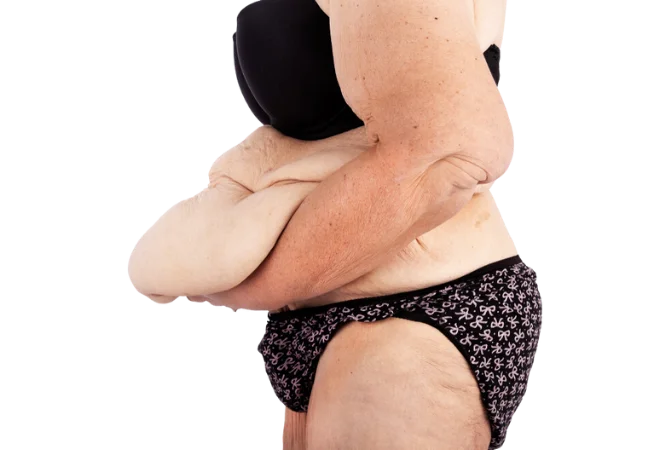
Major weight loss is an important achievement. However, the body does not always adapt to the reduction in weight as patients expect.
After losing a substantial amount of weight, many people discover that loose skin remains around the abdomen, waist, back, arms, thighs or chest.
This excess skin may affect clothing, movement, personal hygiene and everyday comfort.
Exercise can strengthen muscles and improve fitness, but it cannot reliably eliminate substantial skin excess.
I am Dr Gökhan Özerdem, Specialist in Aesthetic, Plastic and Reconstructive Surgery in Antalya, Turkey.
With more than 25 years of surgical experience, I assess patients who are considering body-contouring surgery after major weight loss.
Depending on the anatomy, I may recommend abdominoplasty, a circumferential body lift, arm lift, thigh lift, breast reshaping or a combination of procedures performed in carefully planned stages.
Post-weight-loss body contouring is not simply about removing as much skin as possible. It is about restoring more balanced body contours while managing the additional medical and surgical considerations associated with major weight loss.
What Is Body Contouring After Major Weight Loss?
Post-weight-loss body contouring refers to a group of surgical procedures designed to remove excess skin and reshape areas of the body after substantial weight reduction.
Patients may have lost weight through:
- Bariatric surgery
- Dietary changes
- Exercise
- Medical weight-management programmes
- A combination of approaches
Regardless of how weight loss occurs, significant skin laxity may remain.
The procedures used depend on which areas are affected.
Some patients require only abdominal skin removal.
Others have excess skin around the entire lower trunk, upper arms, thighs and chest.
There is no single operation that is appropriate for every patient.
About Dr. Gökhan Özerdem
Specialist Plastic Surgeon in Antalya, Turkey
I am Dr Gökhan Özerdem, Specialist in Aesthetic, Plastic and Reconstructive Surgery, practising in Antalya, Turkey.
My professional background includes:
- More than 25 years of surgical experience
- Thousands of aesthetic and reconstructive surgical procedures
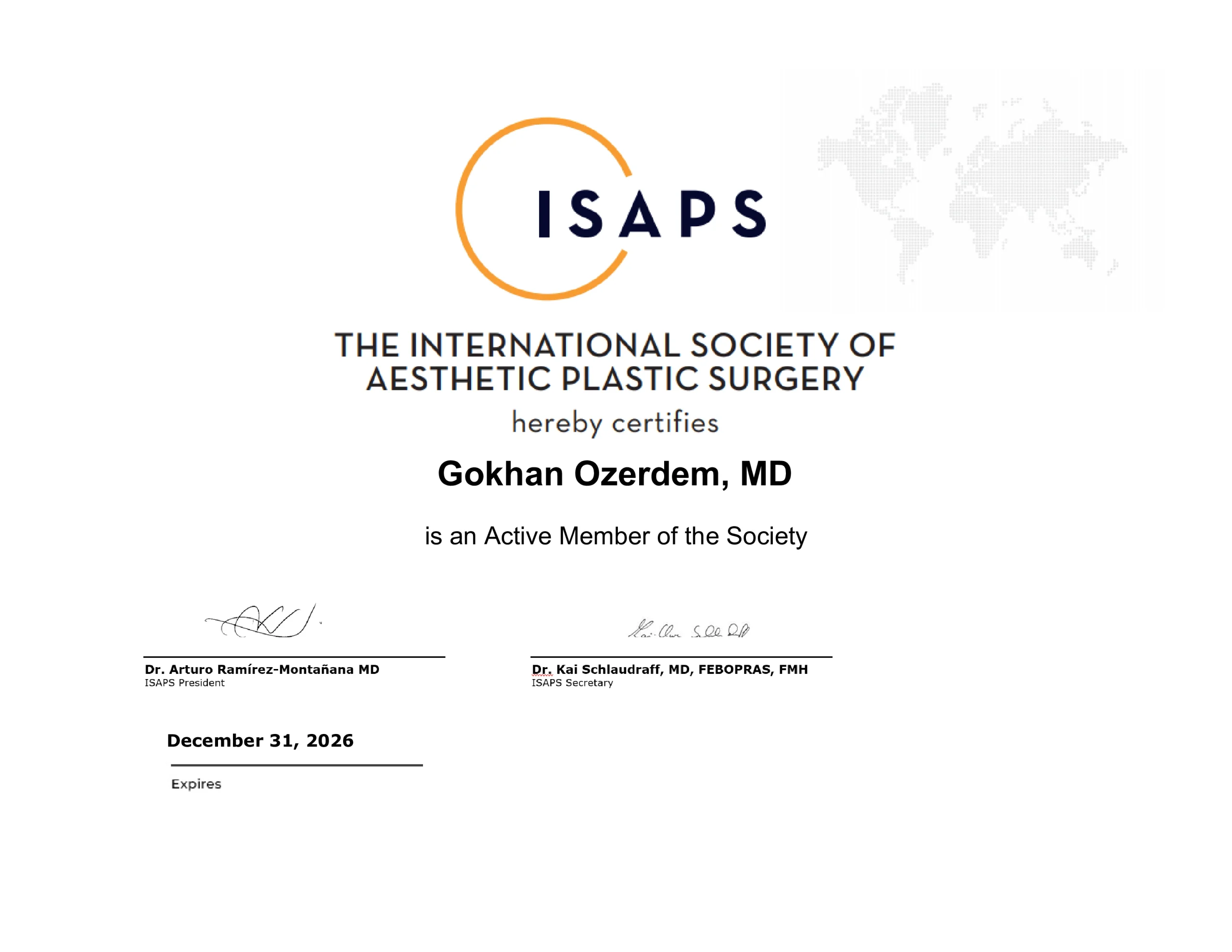
- Member of the International Society of Aesthetic Plastic Surgery (ISAPS)
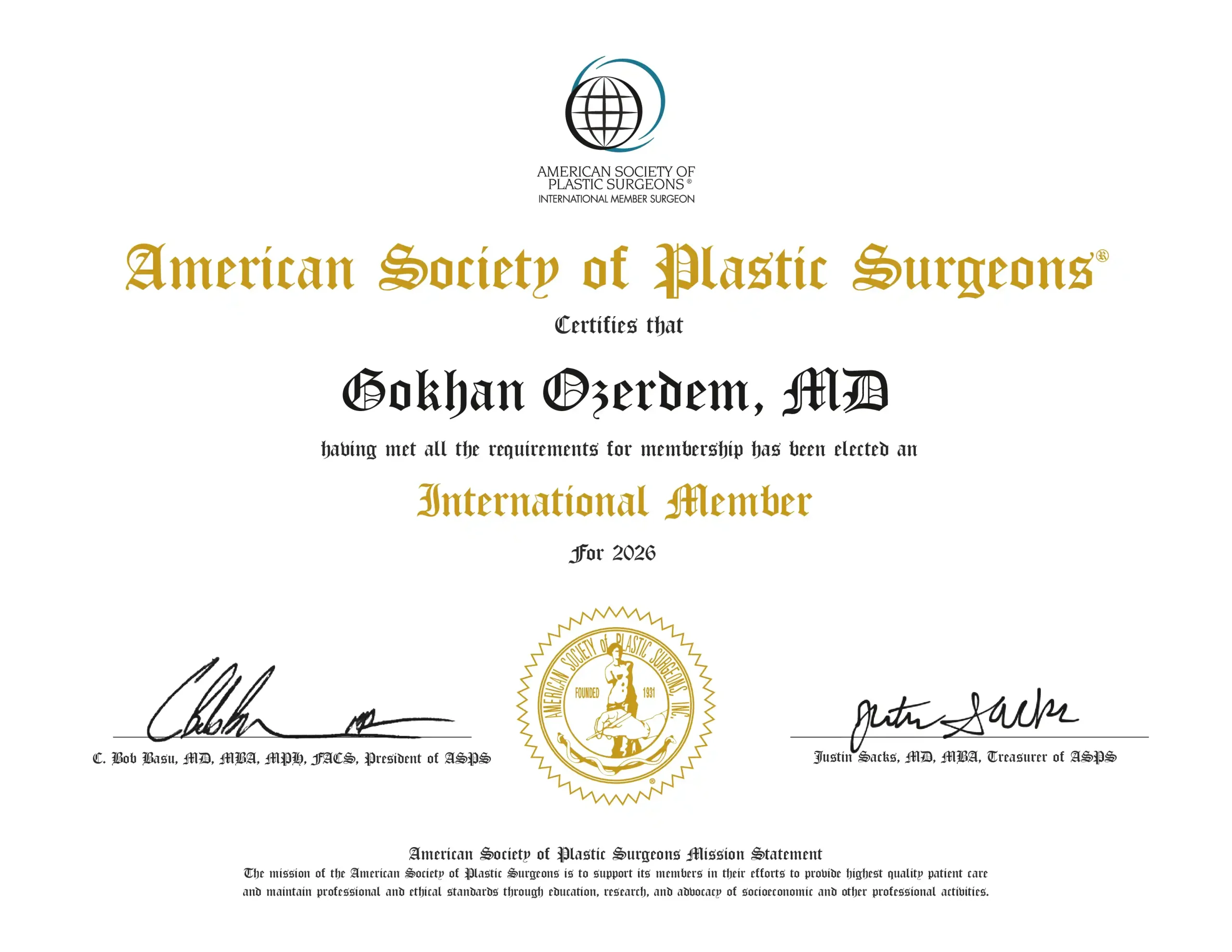
- Member of the American Society of Plastic Surgeons (ASPS)
- Member of the Turkish Society of Plastic, Reconstructive and Aesthetic Surgeons
- Member of the Turkish Society of Aesthetic Plastic Surgery
- Professional medical experience and licensing in Dubai
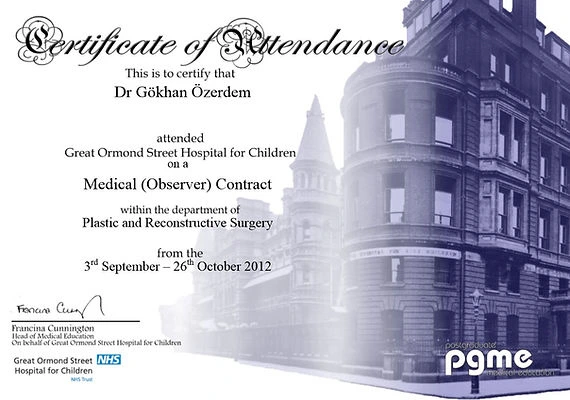
- Observer experience at Great Ormond Street Hospital for Children, London, UK
- Gamma Probe Course at Castle Hill Hospital, Hull, UK
- Oral and poster presentations at national and international scientific congresses
- Session chairmanship at the Turkish National Plastic Surgery Congress
- International scientific publications and academic work
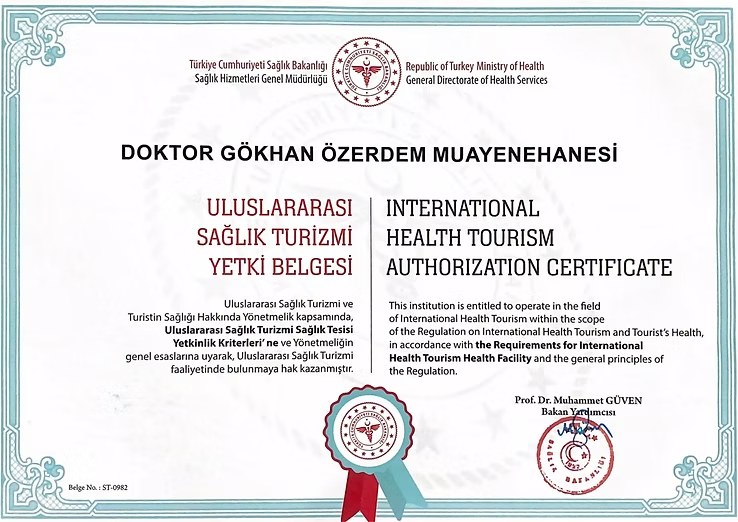
- Authorised to provide services to international patients under the relevant Turkish Ministry of Health International Health Tourism framework
Major surgical procedures are performed in fully equipped hospital facilities in Antalya with appropriate anaesthesia and medical support.

Why Does Loose Skin Remain After Weight Loss?
Skin contains collagen and elastin fibres that contribute to its strength and elasticity.
When body weight increases, the skin stretches to accommodate the underlying tissue.
After substantial weight loss, the volume beneath the skin decreases.
However, the stretched skin may not contract sufficiently.
Several factors influence this process:
- Amount of weight lost
- Duration of previous obesity
- Age
- Genetics
- Skin quality
- Smoking history
- Previous pregnancies
- Distribution of body fat
A younger patient may retain better skin elasticity than an older patient, but age alone does not determine the degree of skin excess.
Some patients develop substantial loose skin even after achieving excellent physical fitness.
When Should Body-Contouring Surgery Be Considered?
I generally recommend considering body-contouring surgery once weight has become relatively stable and the patient’s medical and nutritional condition is suitable.
Operating while weight is still changing significantly can make the final contour less predictable.
Further weight loss after surgery may create additional skin laxity.
Significant weight gain can also compromise the result.
For patients who have undergone bariatric surgery, the timing must also take account of nutritional recovery and medical follow-up.
There is no universal waiting period that is appropriate for everyone.
Stable weight, adequate nutrition and medical fitness are more important than simply counting the months since weight-loss surgery.
Who Is a Suitable Candidate?
Patients considering post-weight-loss skin removal should ideally have:
- Relatively stable body weight
- Significant excess skin causing contour or functional concerns
- Adequate nutritional status
- Suitable general health
- Realistic expectations regarding scars
- No untreated condition that substantially increases surgical risk
- A clear understanding that more than one operation may be necessary
Patients with active nutritional deficiencies, uncontrolled medical conditions or substantial ongoing weight loss may need further preparation before surgery.
My Approach to Post-Weight-Loss Body Contouring
The first consultation is particularly important.
I do not begin by deciding how many procedures can be combined.
Instead, I examine the body as a whole and identify which areas require correction.
I assess:
- Abdominal skin excess
- Waist and flank laxity
- Lower back folds
- Buttock descent
- Upper arm skin excess
- Inner thigh laxity
- Chest and breast changes
- Previous surgical scars
- Remaining fatty tissue
- Skin quality
- Weight stability
- Nutritional and medical status
I also ask which problems affect the patient most.
For example, one patient may be primarily concerned about a large abdominal skin fold.
Another may have difficulty with arm movement or clothing because of hanging skin.
A third may have extensive skin laxity around the entire lower body.
The surgical plan should reflect these differences.
Your Post-Weight-Loss Body Contouring Journey
1. Preliminary Assessment
You provide your medical and weight-loss history, relevant test results and photographs.
2. Consultation in Antalya
I examine the distribution of excess skin and assess which areas require correction.
3. Medical Preparation
Nutritional status, general health and surgical risk are evaluated.
4. Surgical Planning
We discuss the appropriate procedures, scar patterns, recovery and whether surgery should be divided into stages.
5. Surgery
Your procedure is performed under general anaesthesia in a fully equipped hospital.
6. Early Recovery
My team and I monitor wound healing, mobility and general recovery.
7. Returning Home
You return home when postoperative assessment confirms that travel is appropriate.
8. Long-Term Follow-Up
Body contours and scars continue to change over the following months.
Further surgical stages, if necessary, are considered after adequate recovery.
Common Procedures After Major Weight Loss
The operations most frequently considered include:
| Procedure | Main Area Treated |
| Abdominoplasty | Abdominal skin excess and selected abdominal wall problems |
| Fleur-de-Lis Abdominoplasty | Extensive abdominal skin excess in two directions |
| Circumferential Body Lift | Abdomen, flanks, lower back and selected buttock contour problems |
| Arm Lift | Hanging upper arm skin |
| Inner Thigh Lift | Loose skin along the inner thighs |
| Breast Lift or Reduction | Breast descent, skin excess or remaining breast volume |
| Male Chest Contouring | Loose chest skin and residual fatty or glandular tissue |
| Upper Body Lift | Selected upper back, lateral chest and upper torso skin excess |
These procedures may be performed separately or combined in selected cases.
The extent of surgery depends on patient safety and the anatomical problems being treated.
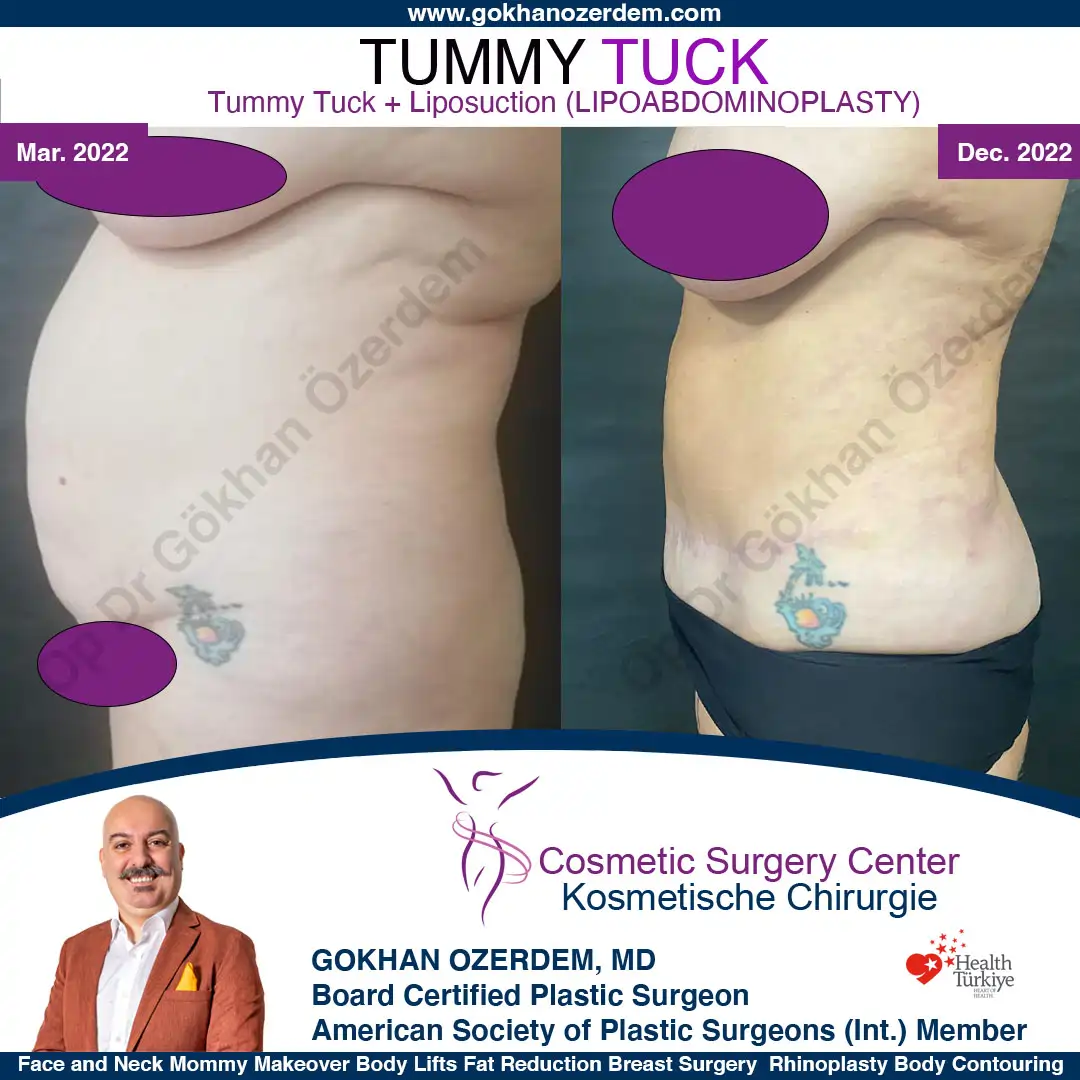
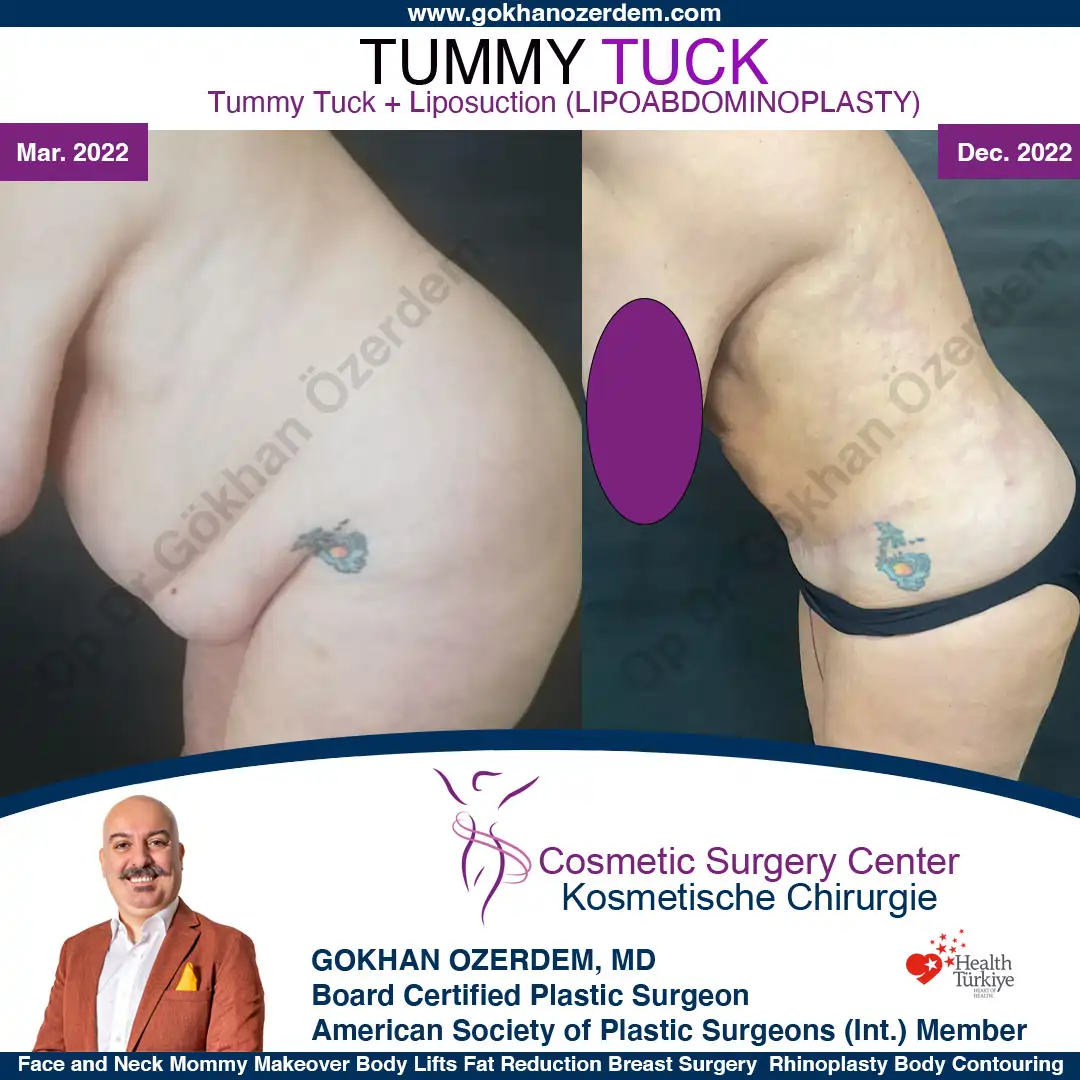
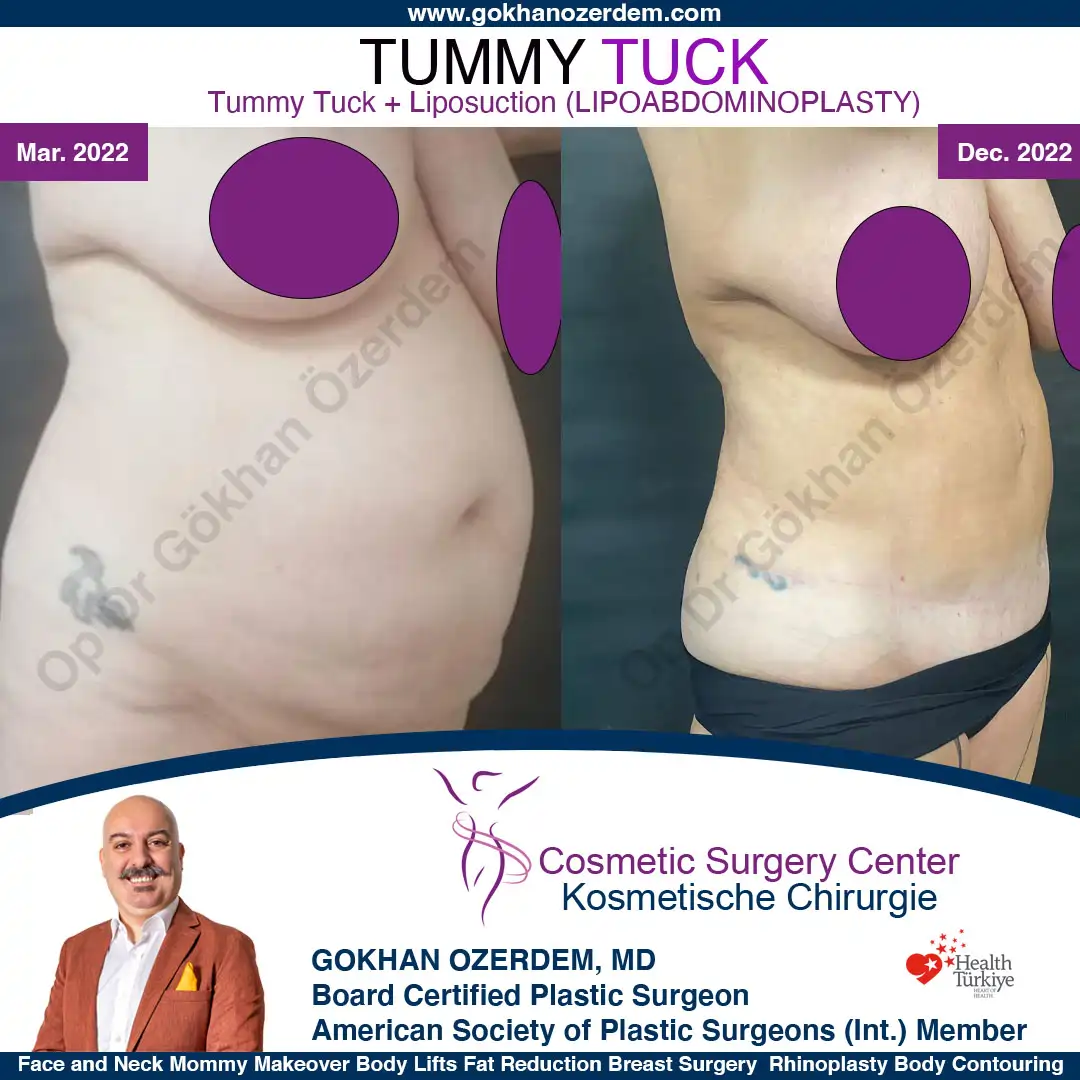
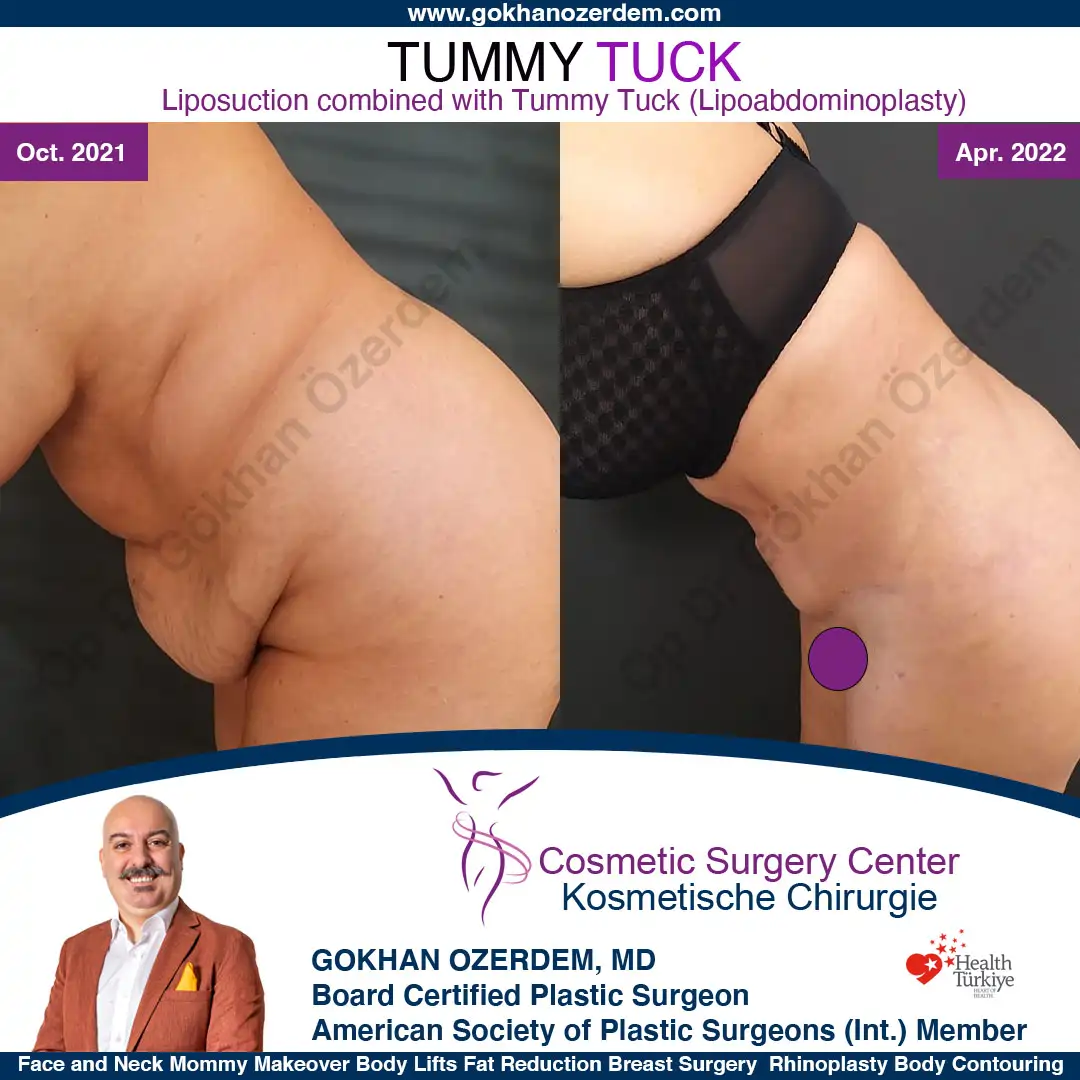
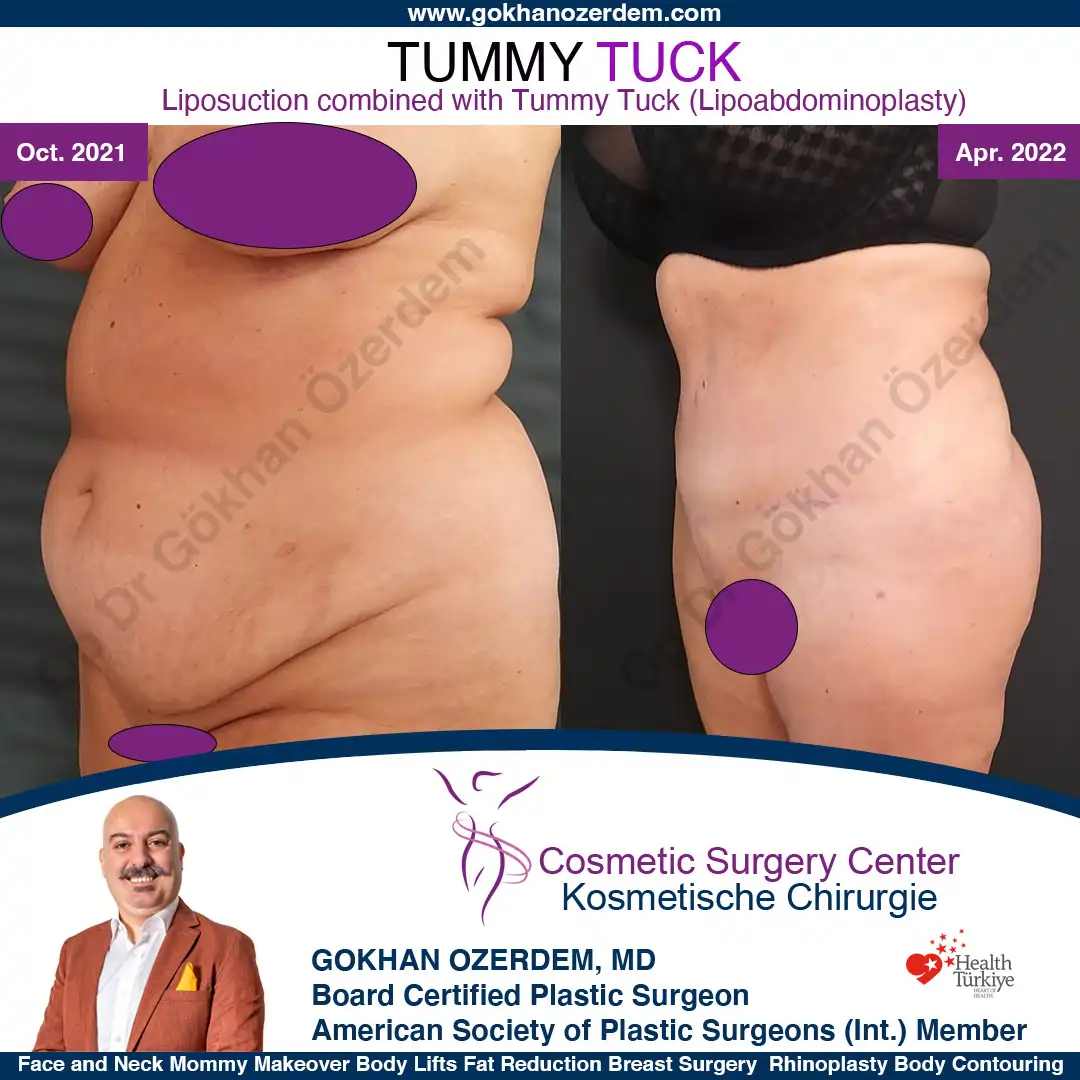
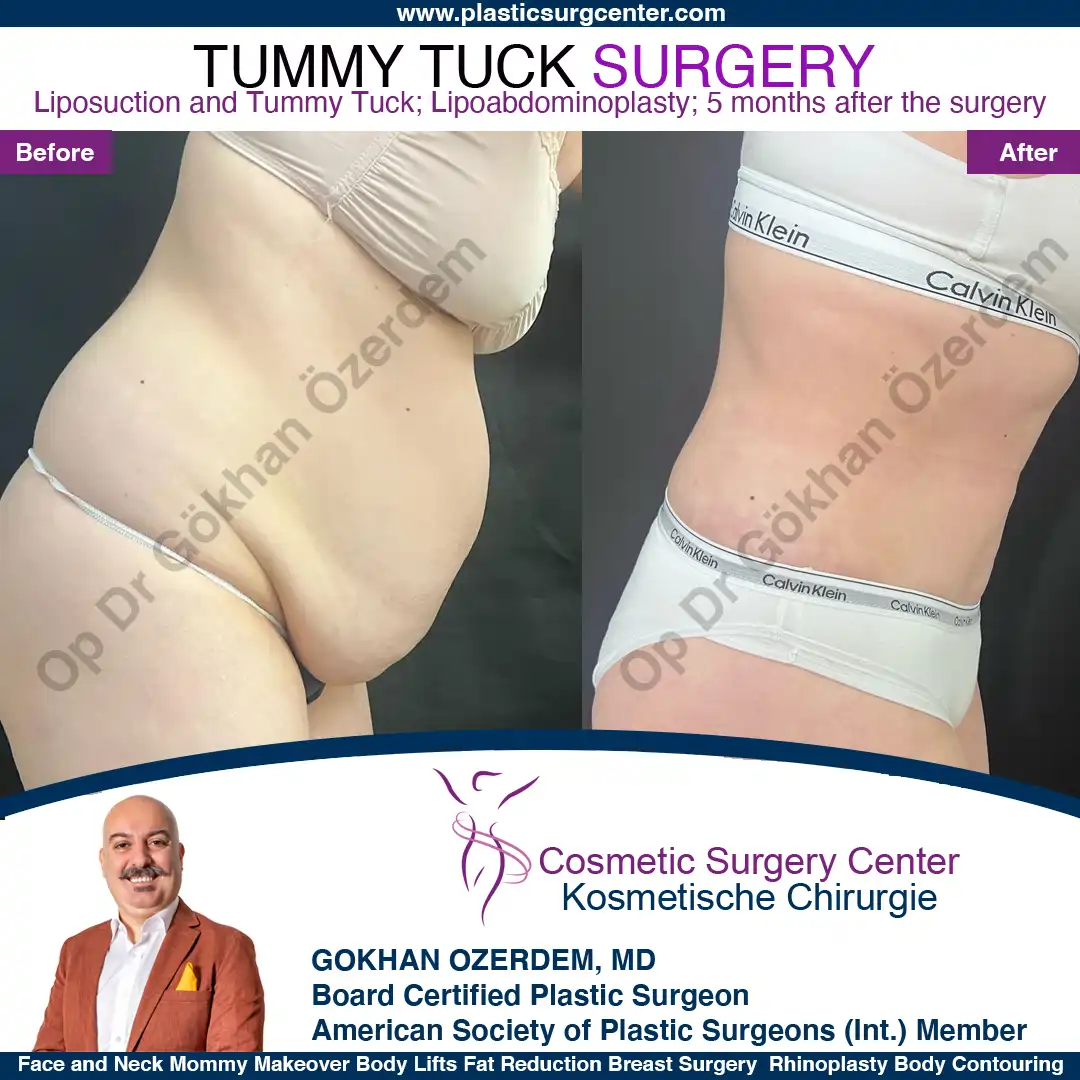
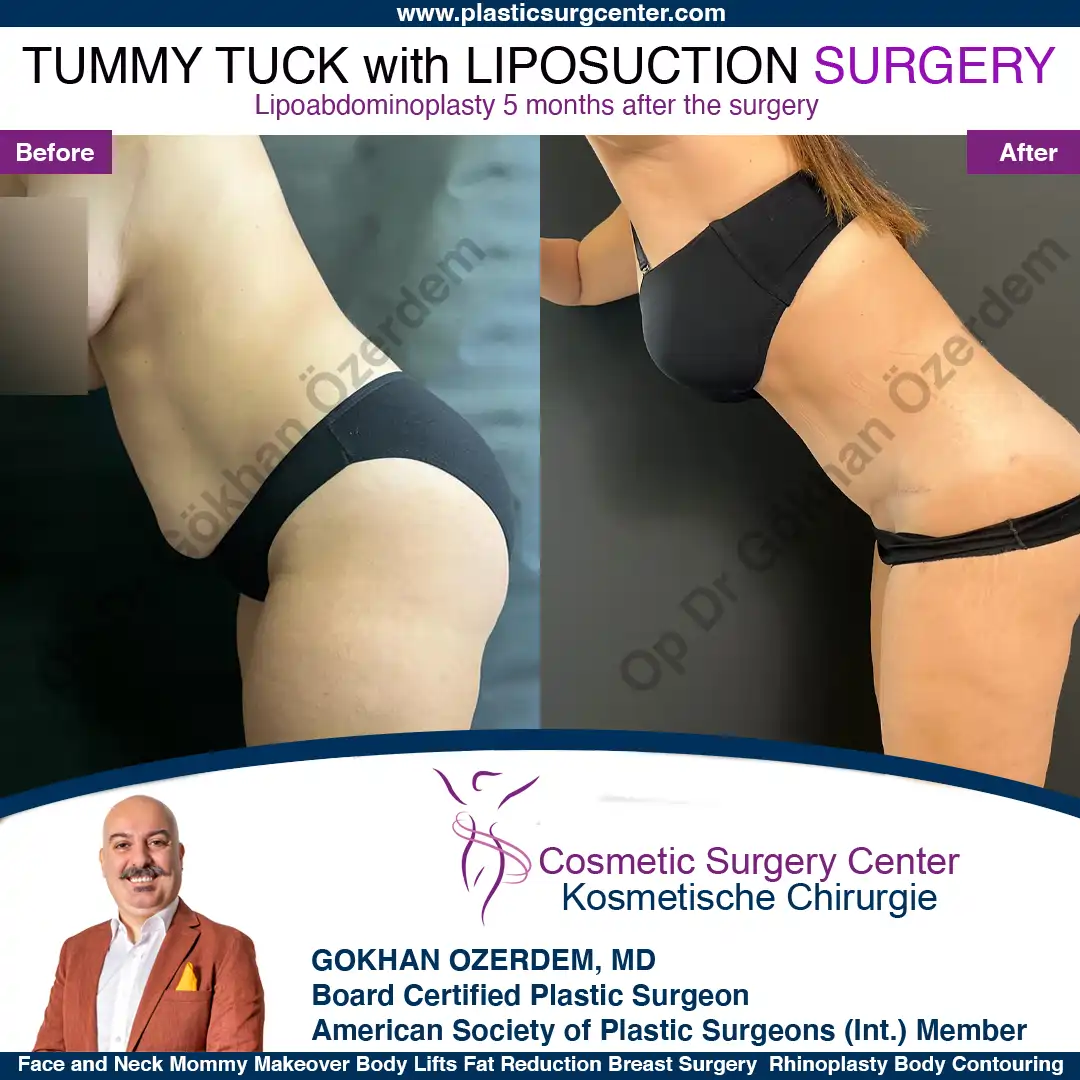
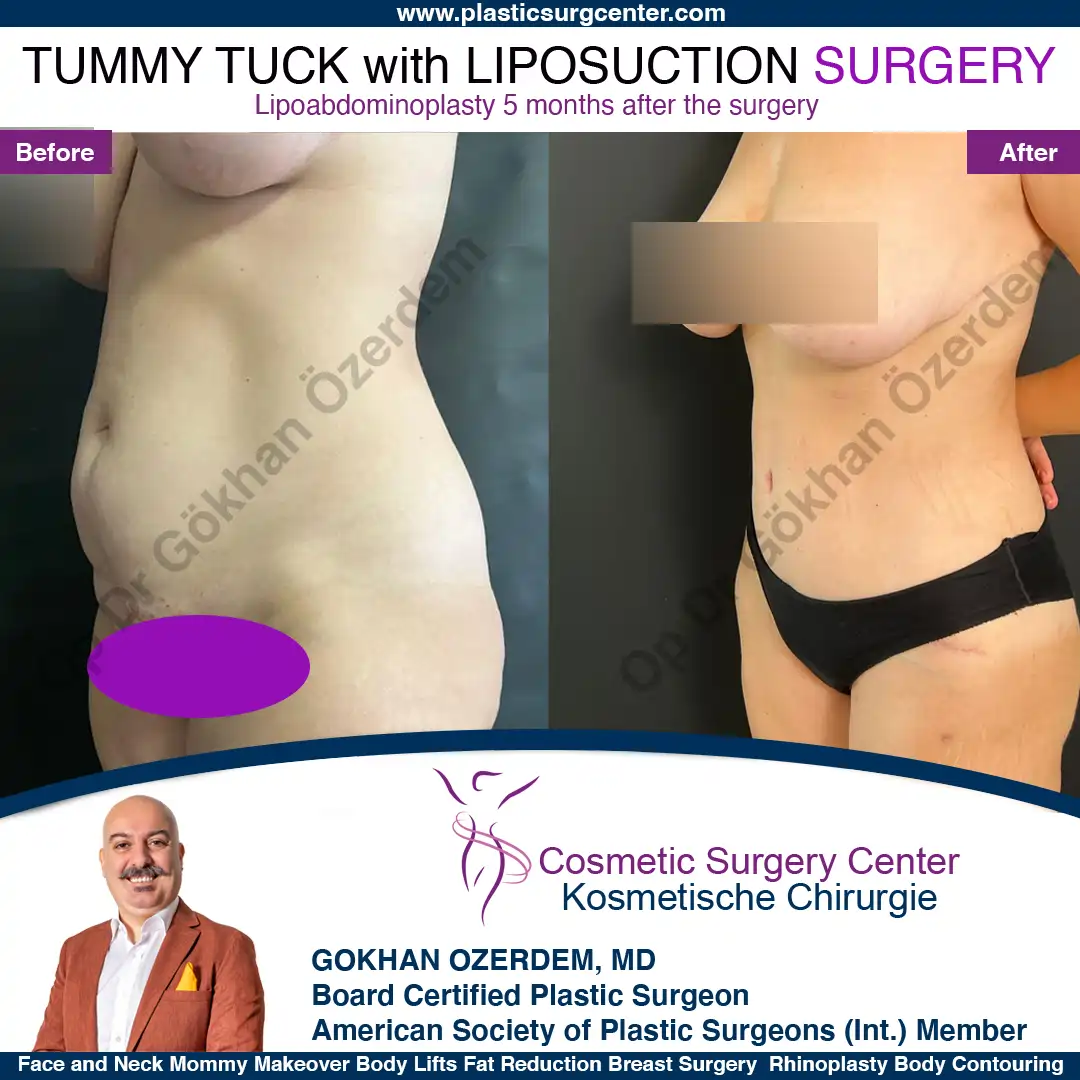
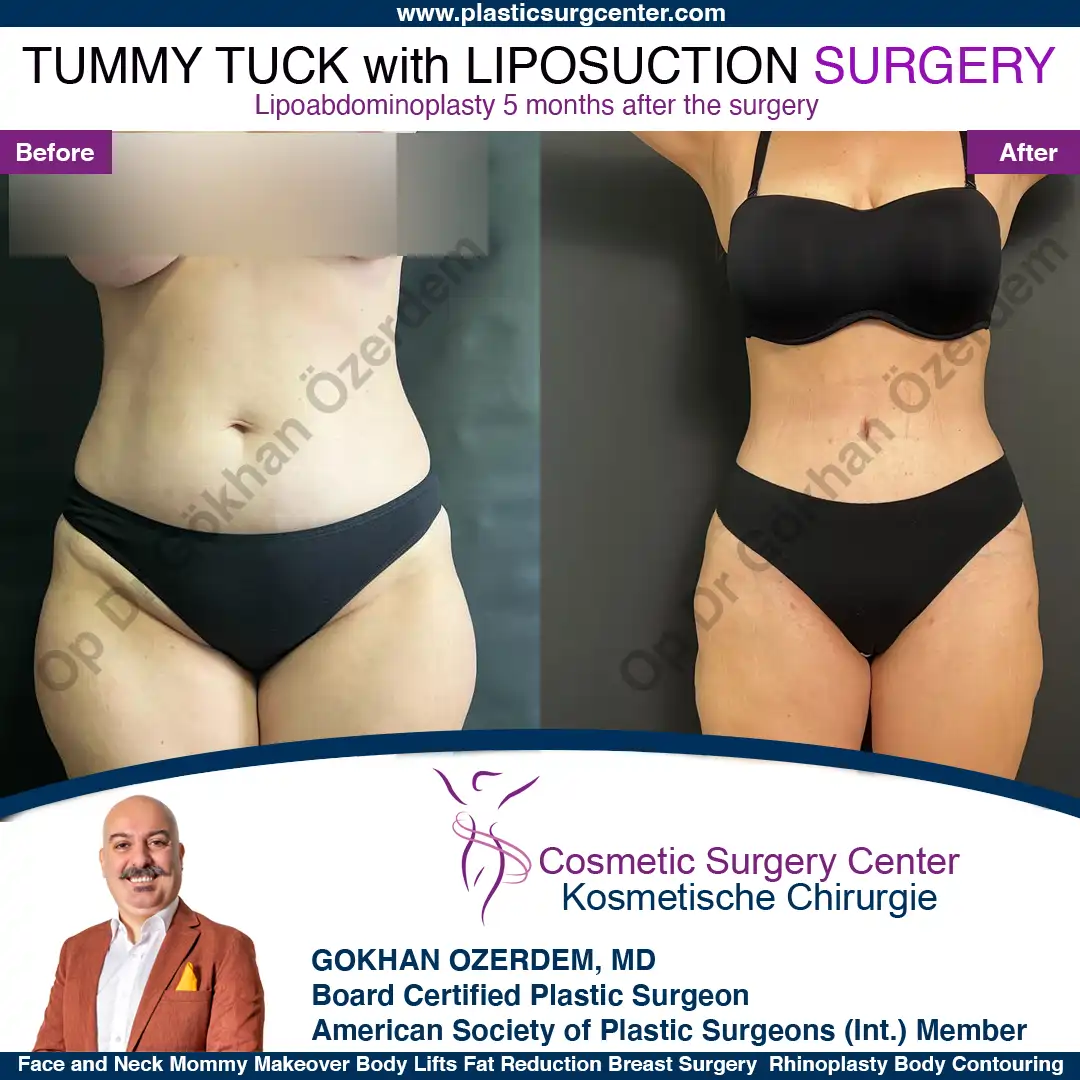
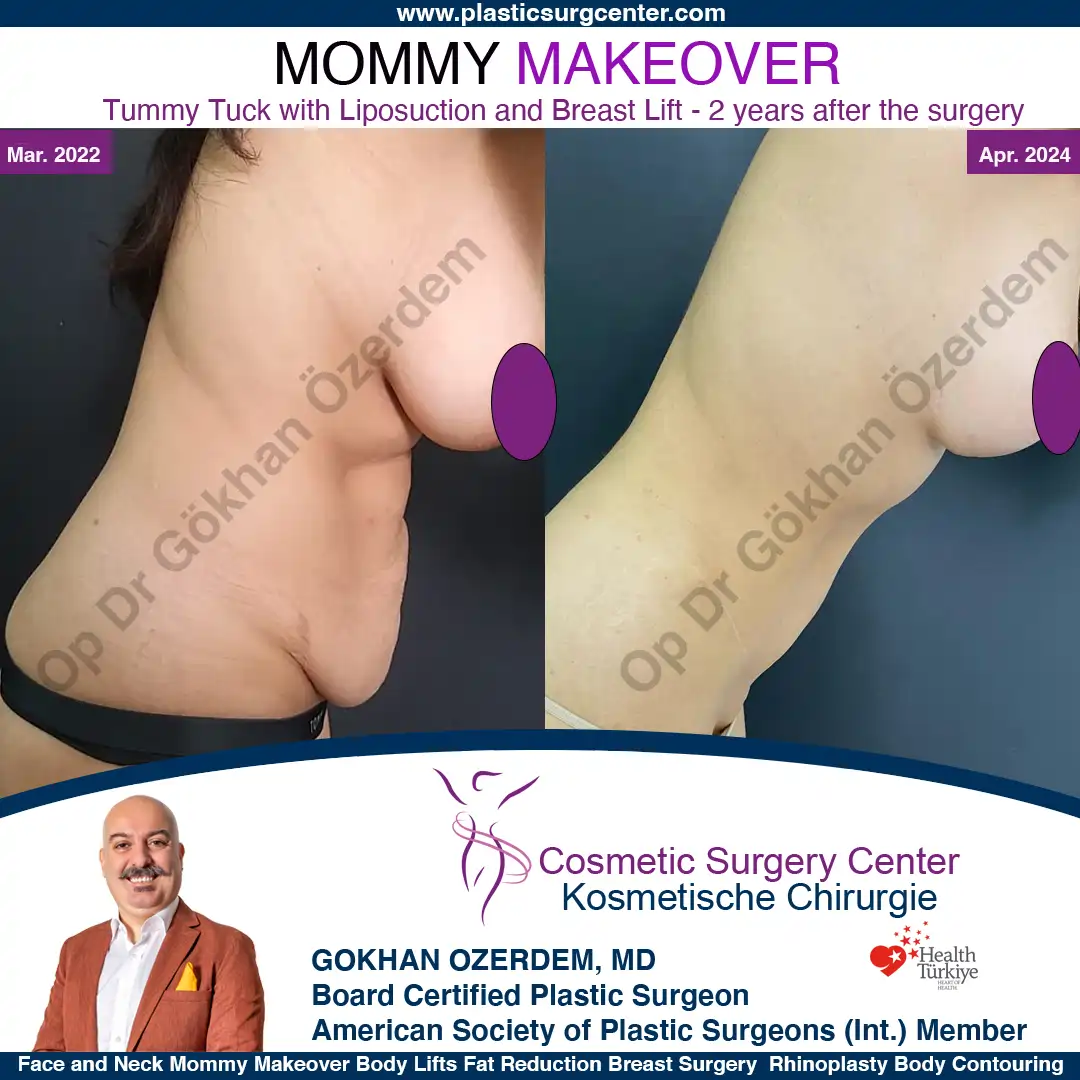
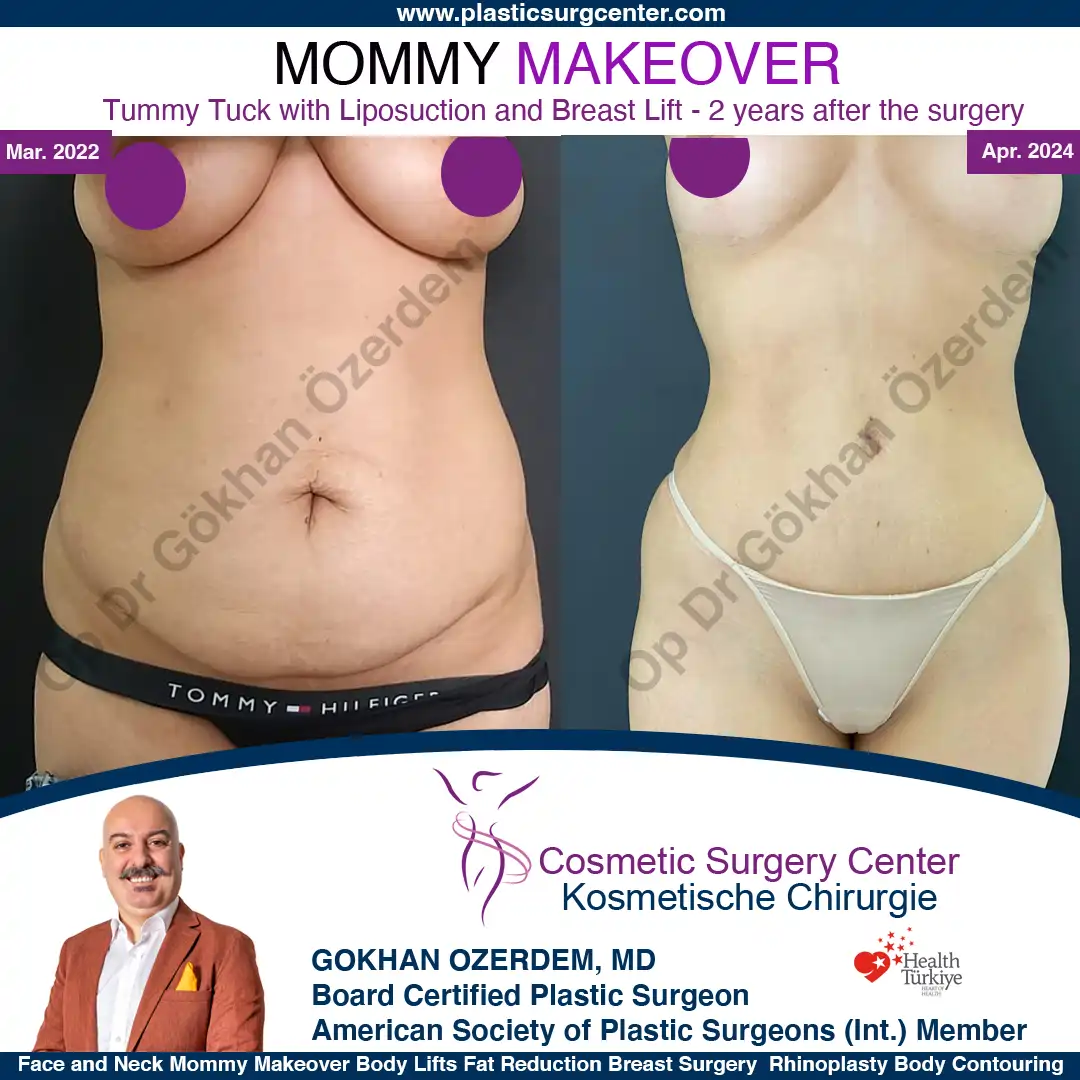
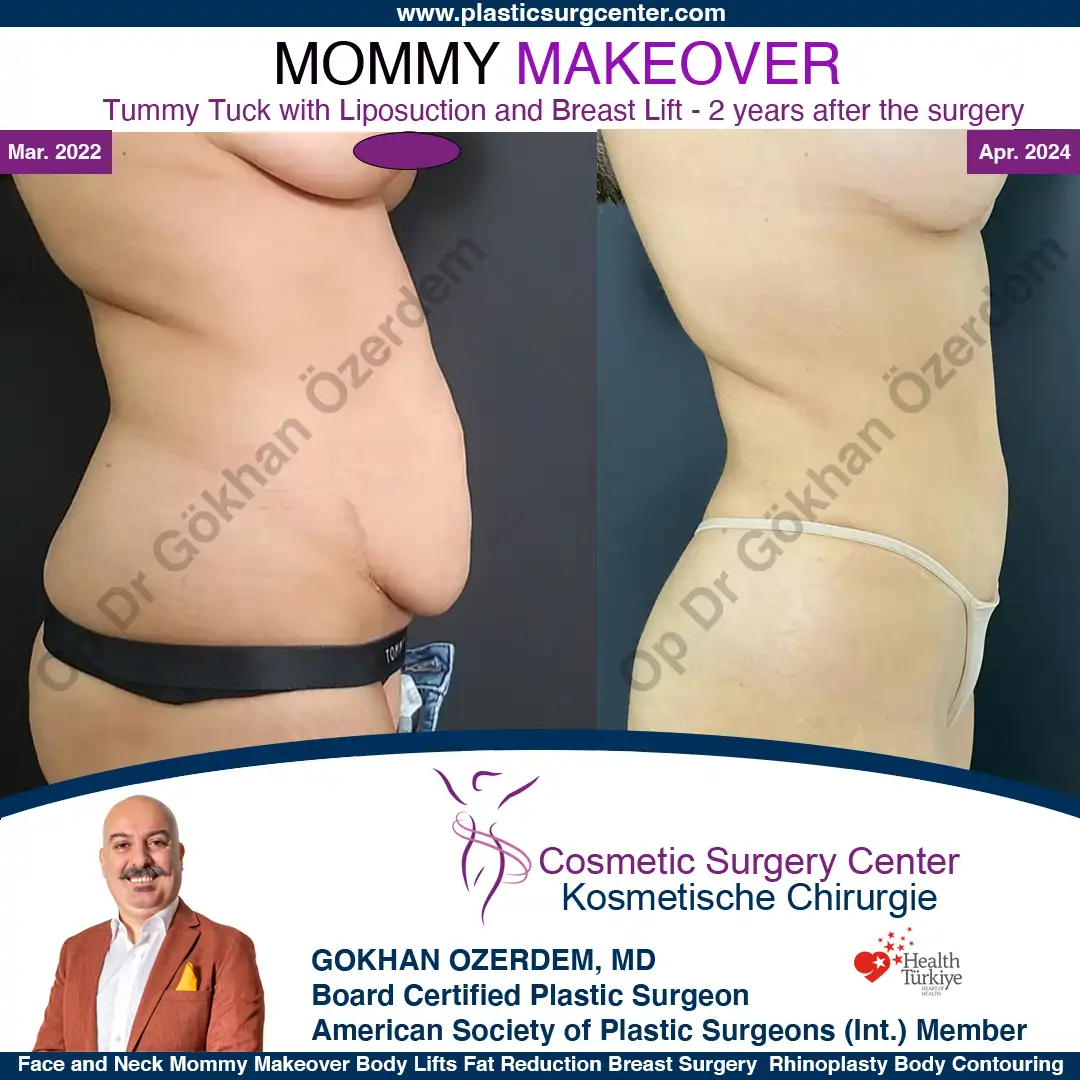
Body Contouring Before and After
Post-Weight-Loss Surgery Results
[POST-WEIGHT-LOSS BODY CONTOURING BEFORE & AFTER GALLERY]
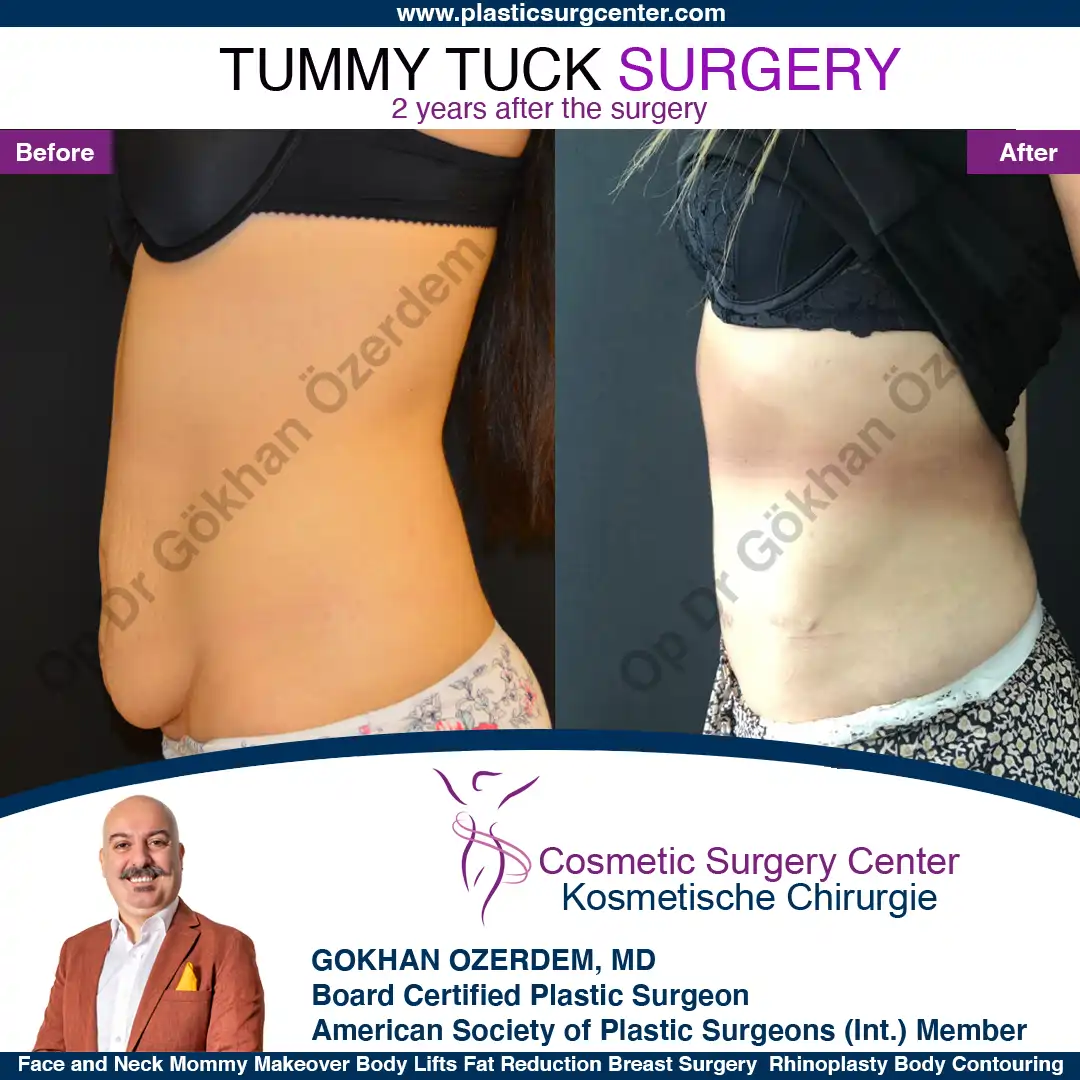
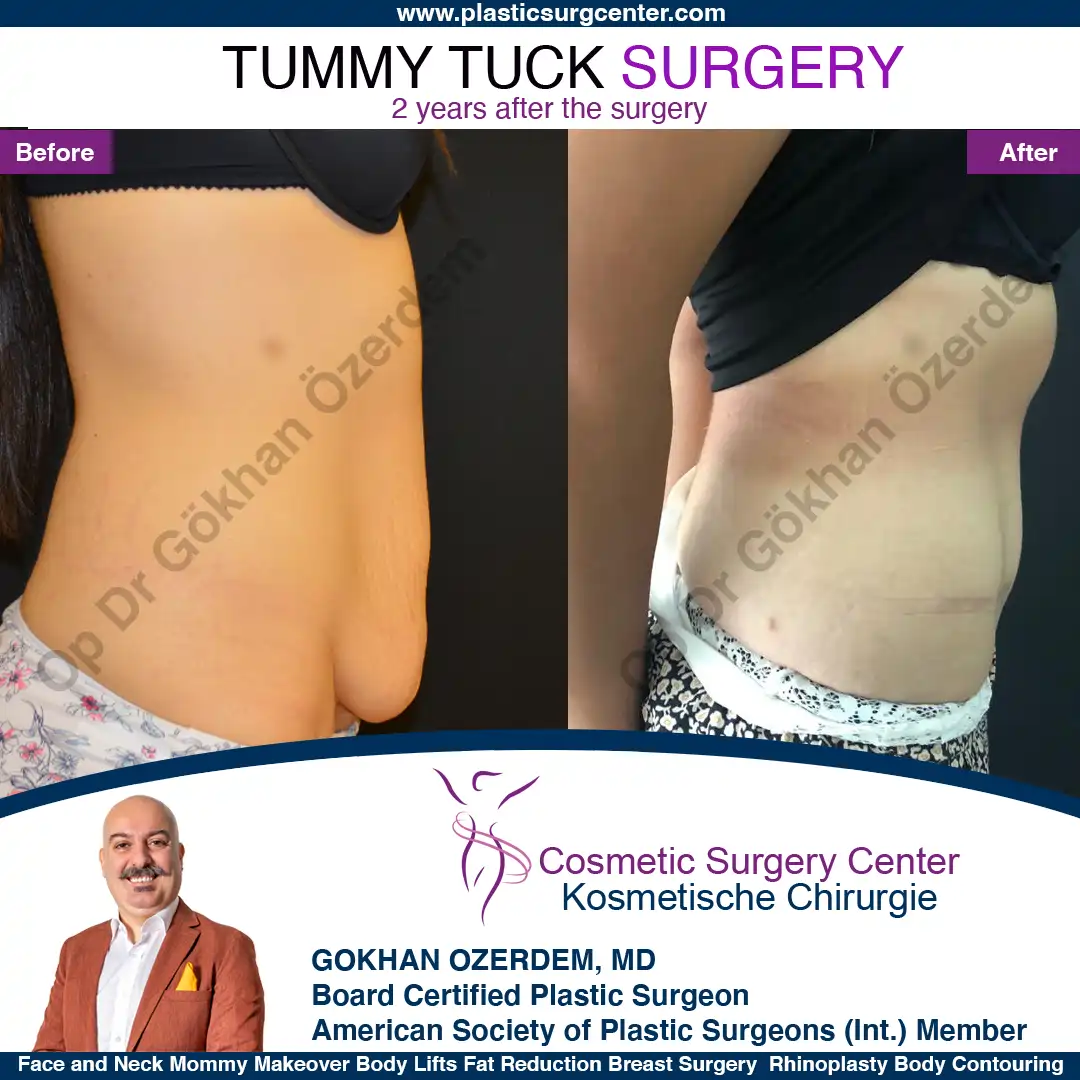
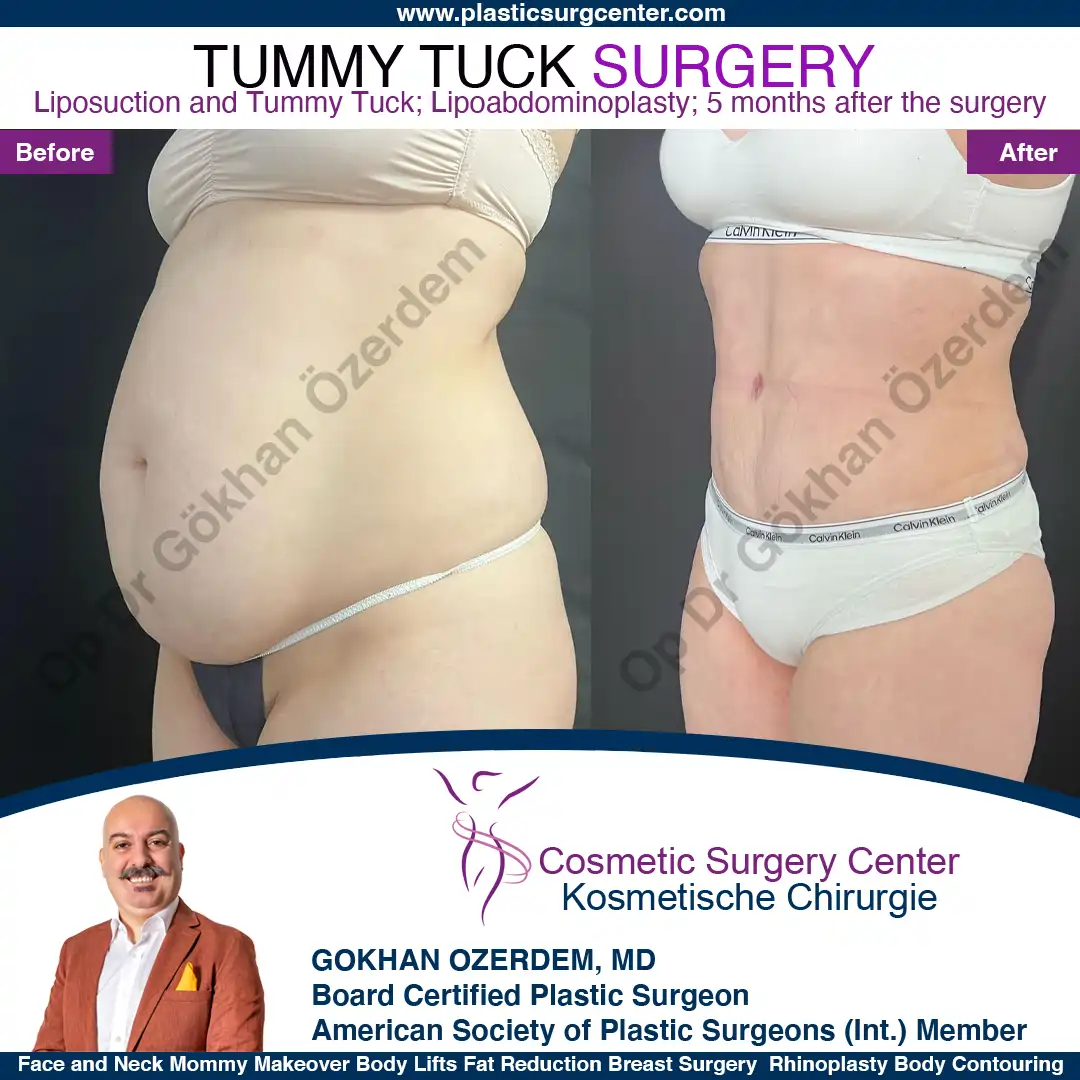
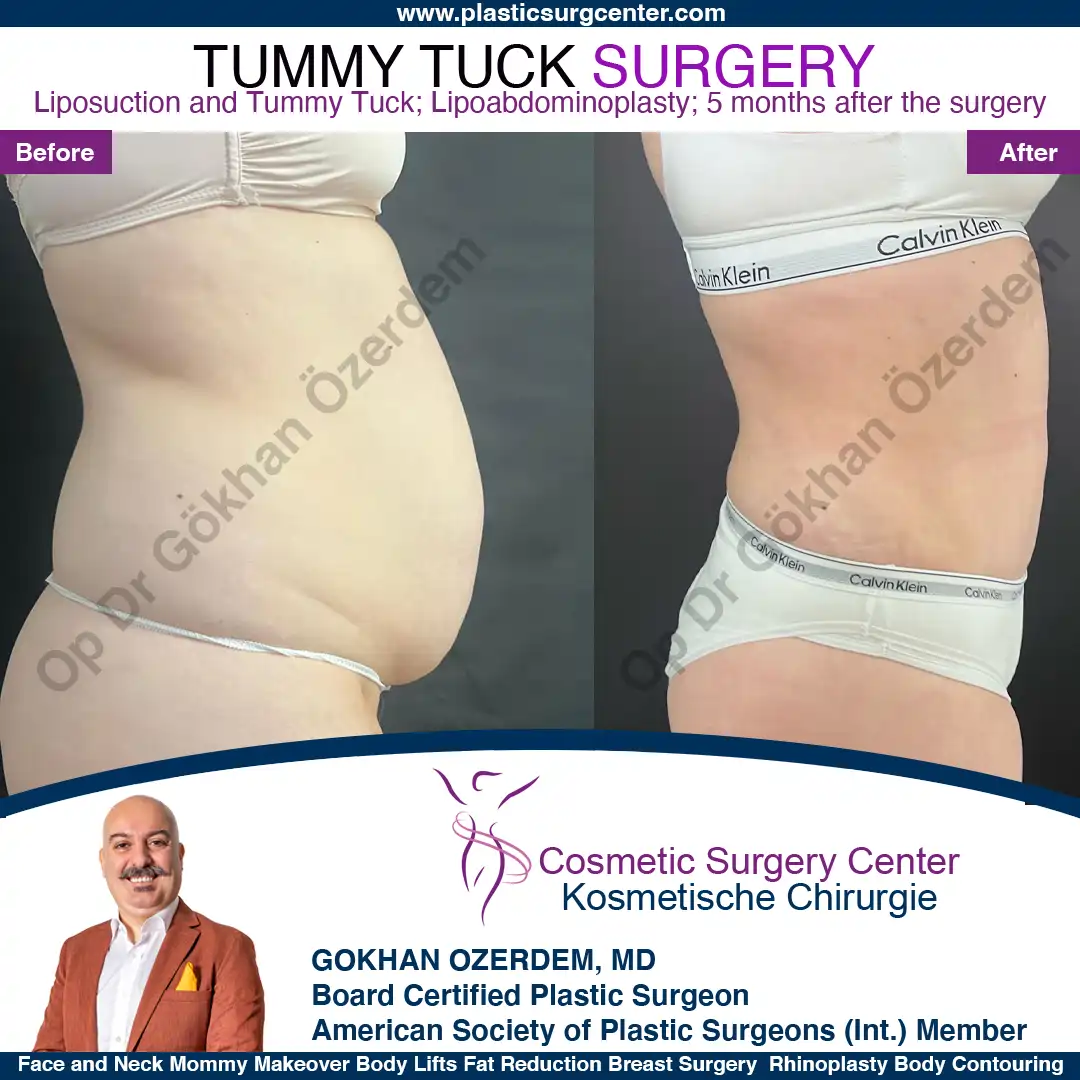
Before and after photographs may demonstrate changes in:
- Abdominal skin excess
- Waist and lower back contour
- Upper arm skin folds
- Inner thigh laxity
- Breast or chest contour
- Overall body proportions
However, results vary according to the amount of weight lost, skin quality, remaining fat and the procedures performed.
Photographs should be viewed as examples of individual results rather than guarantees.
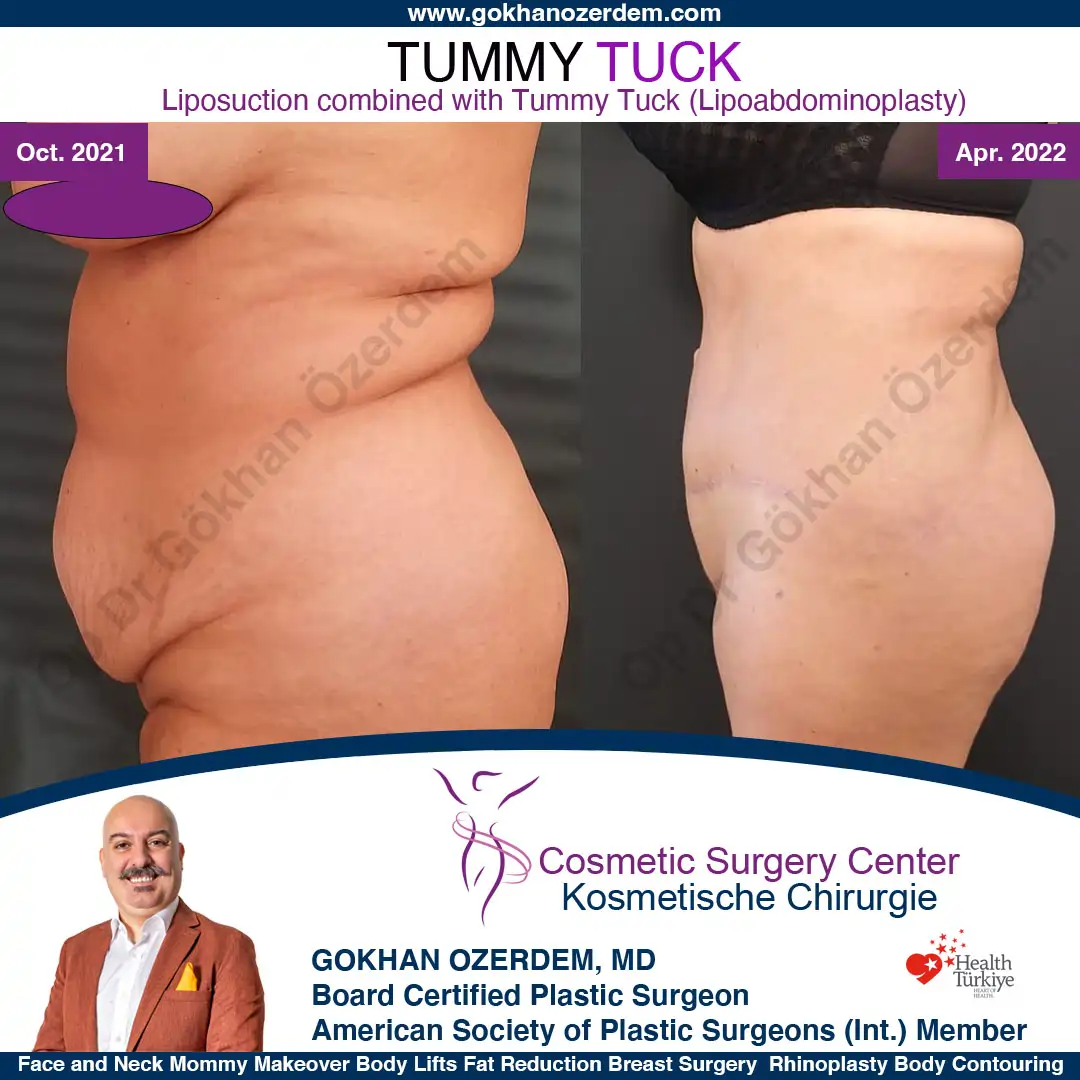
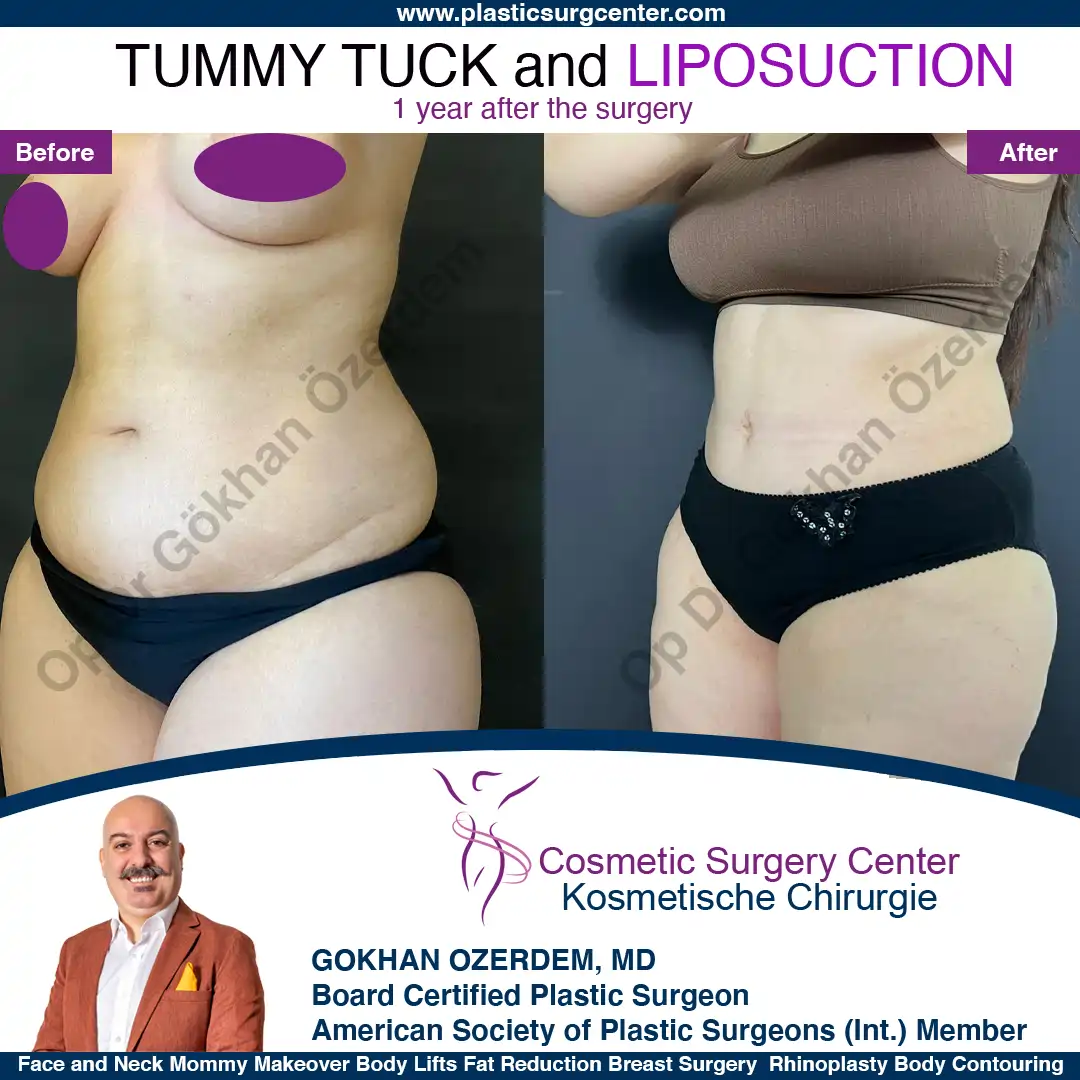
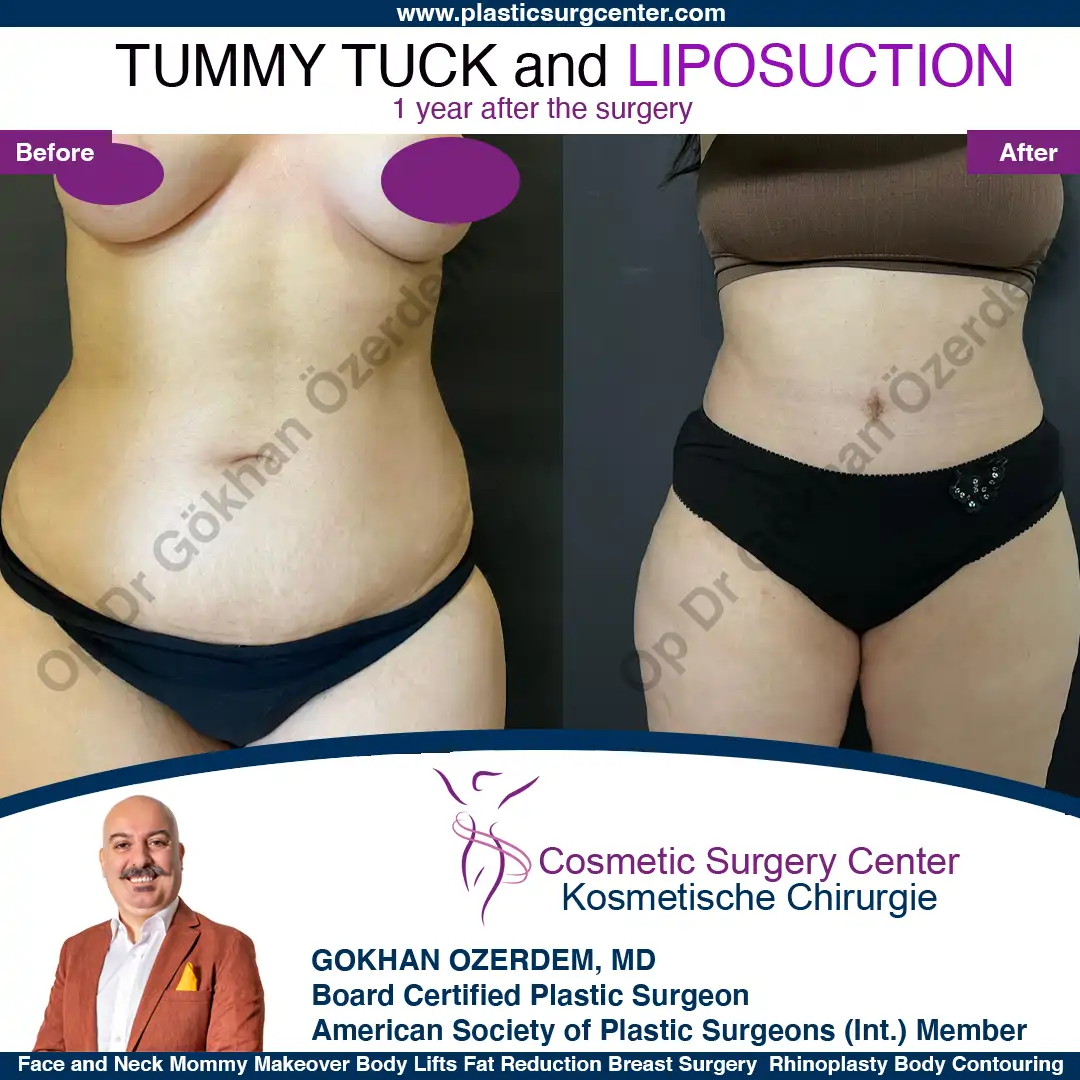
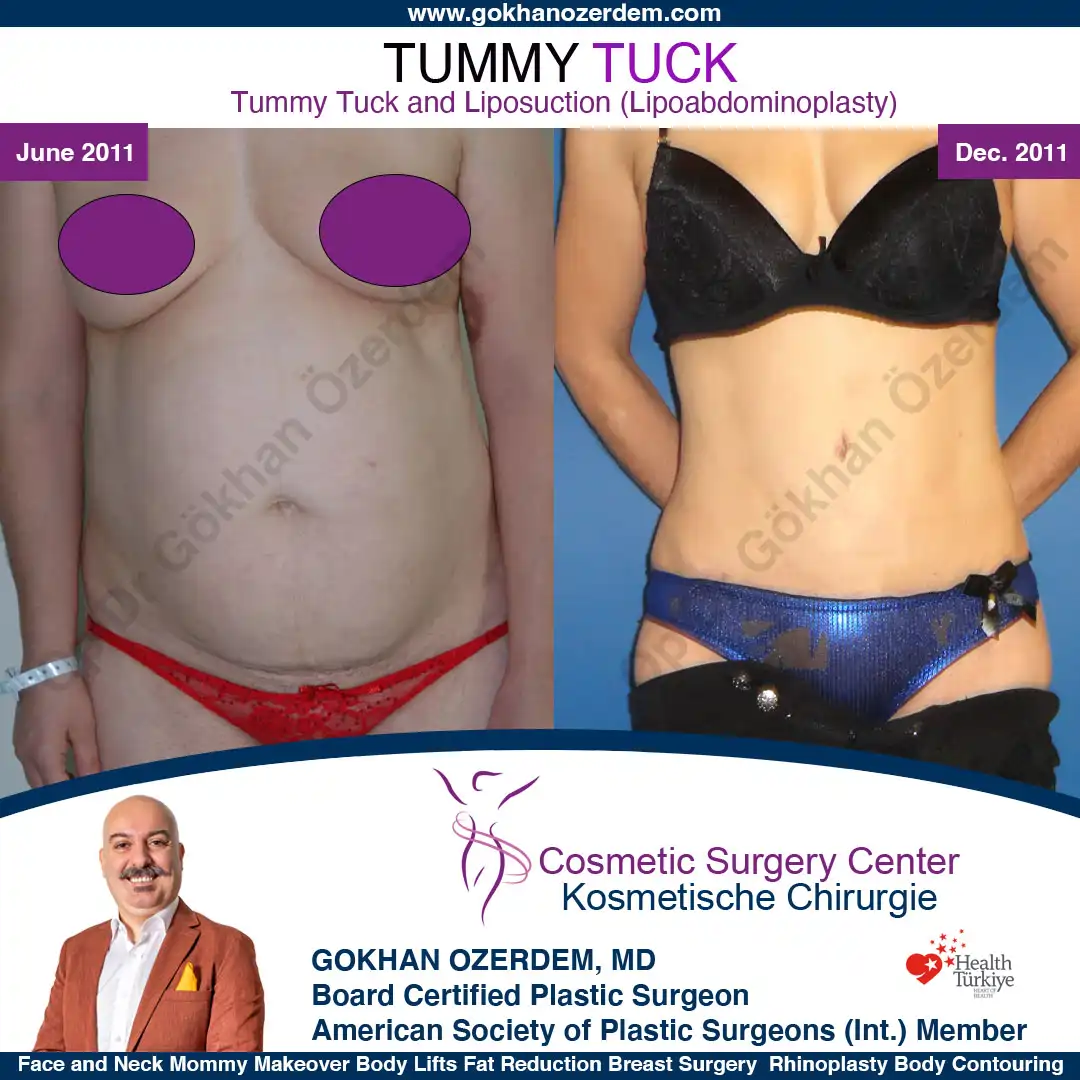
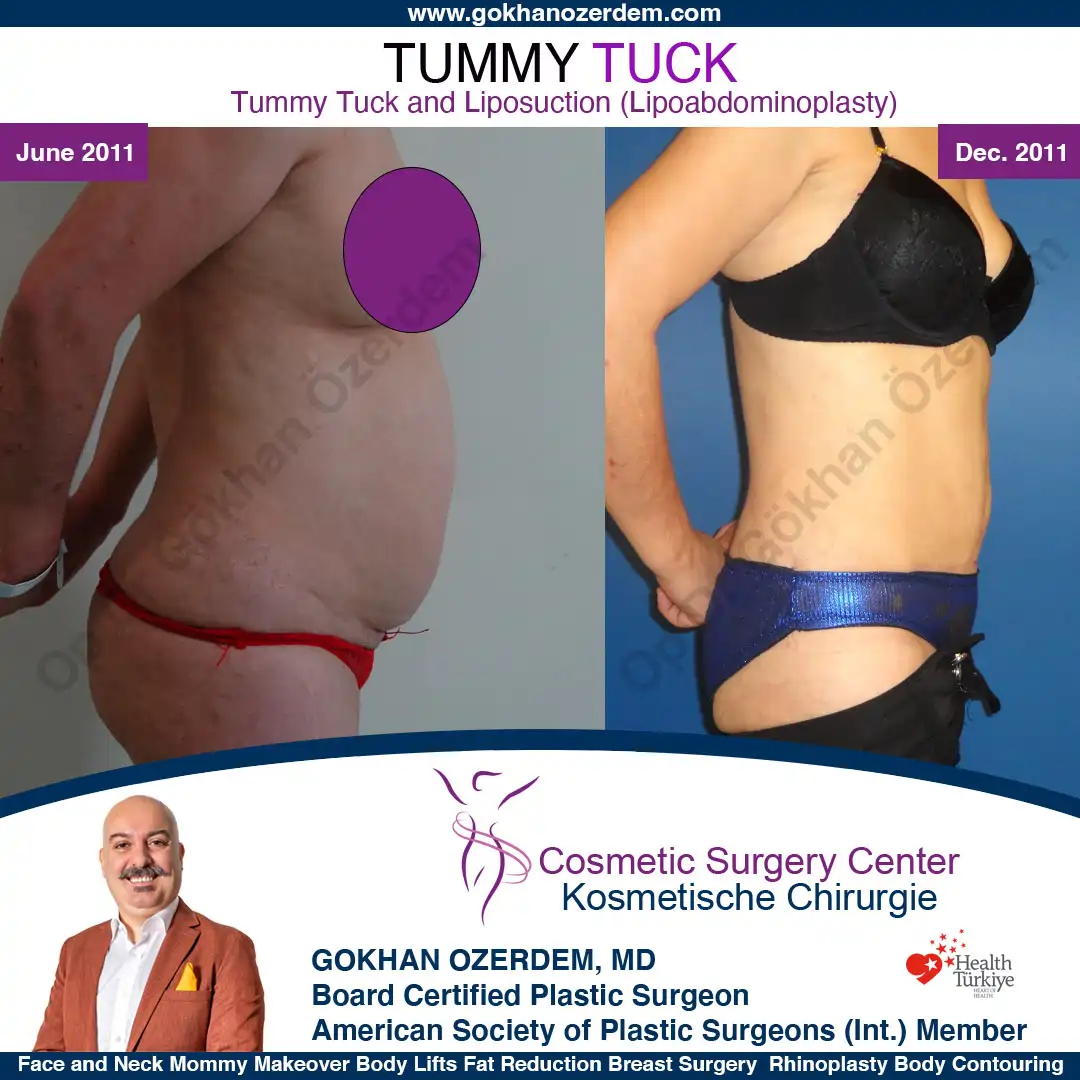
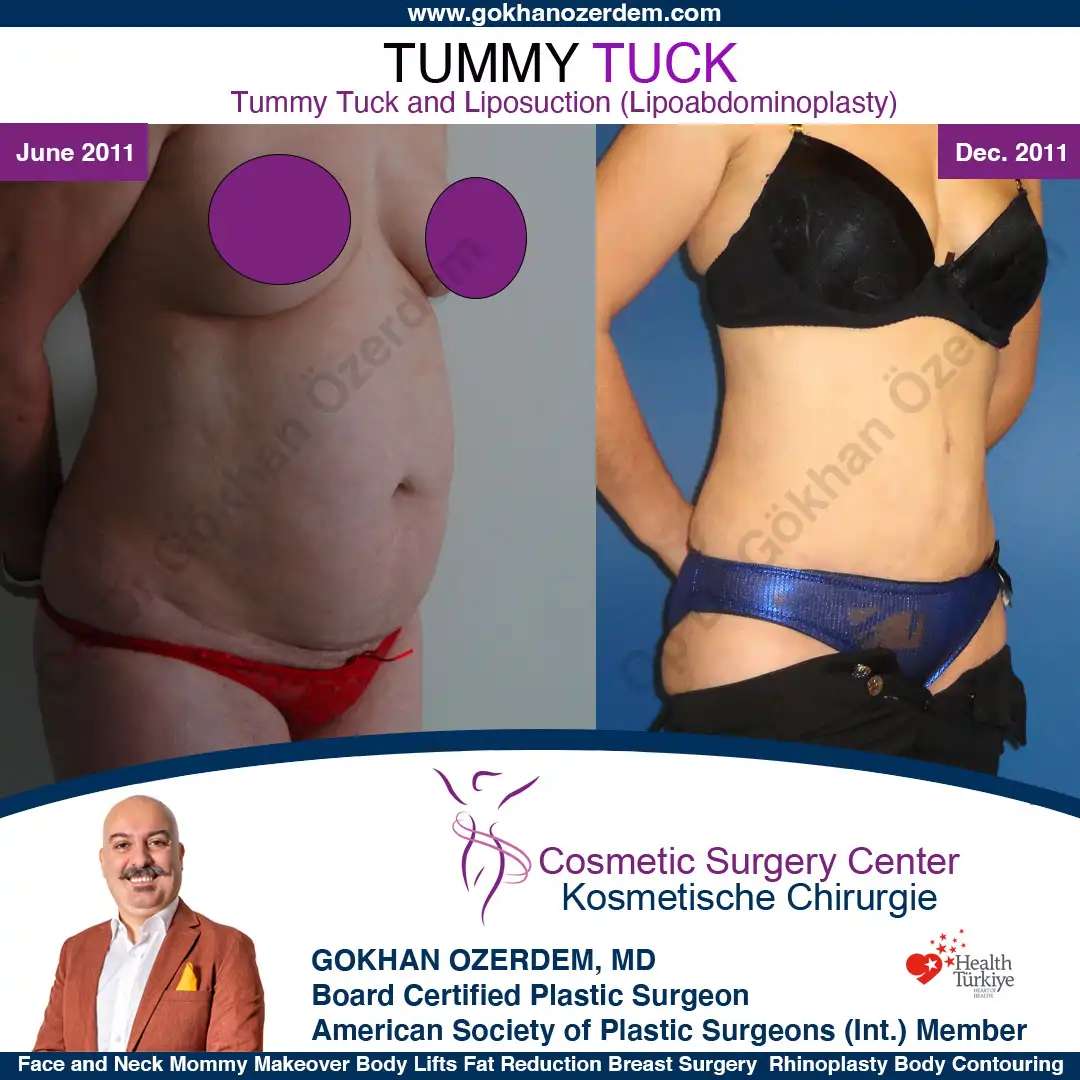
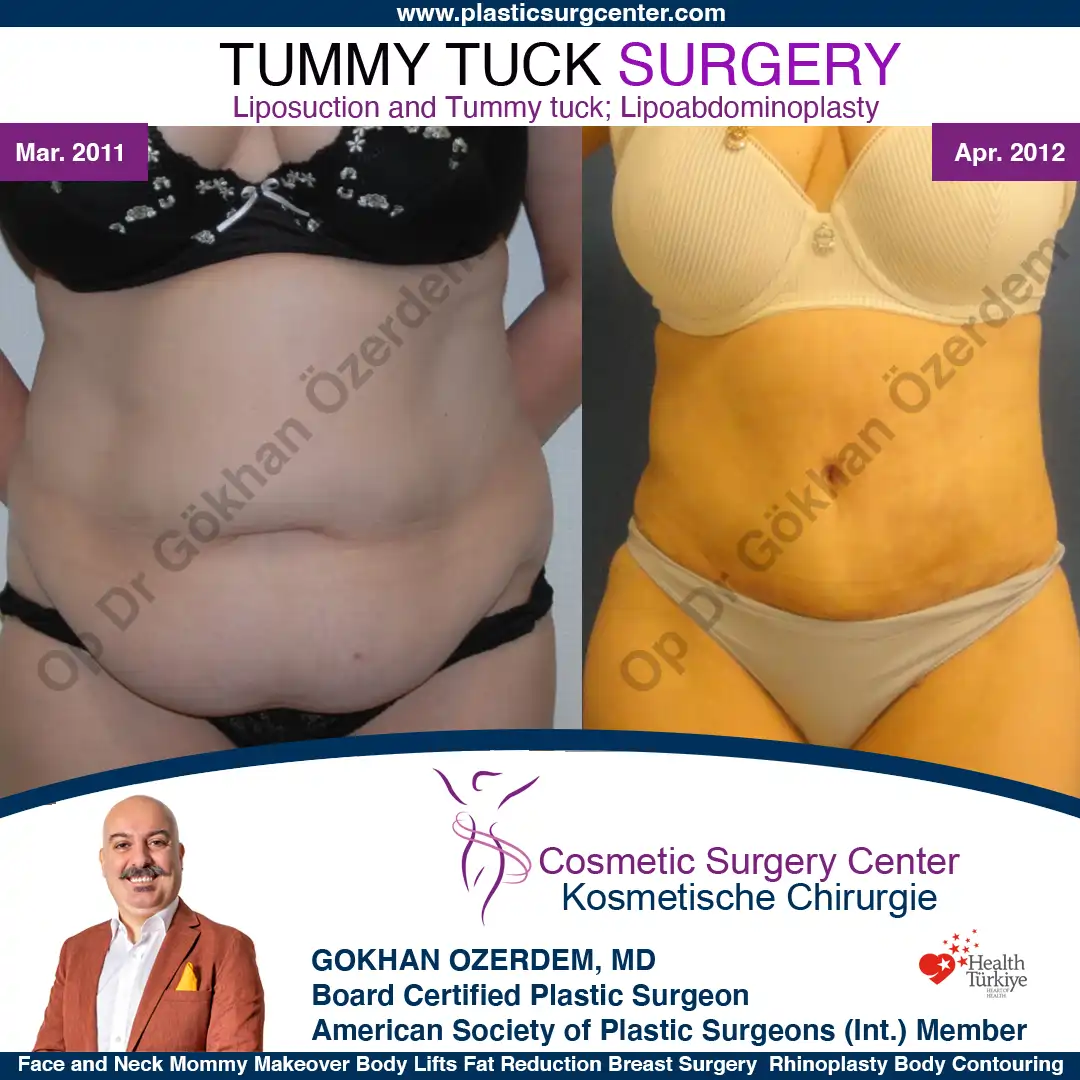
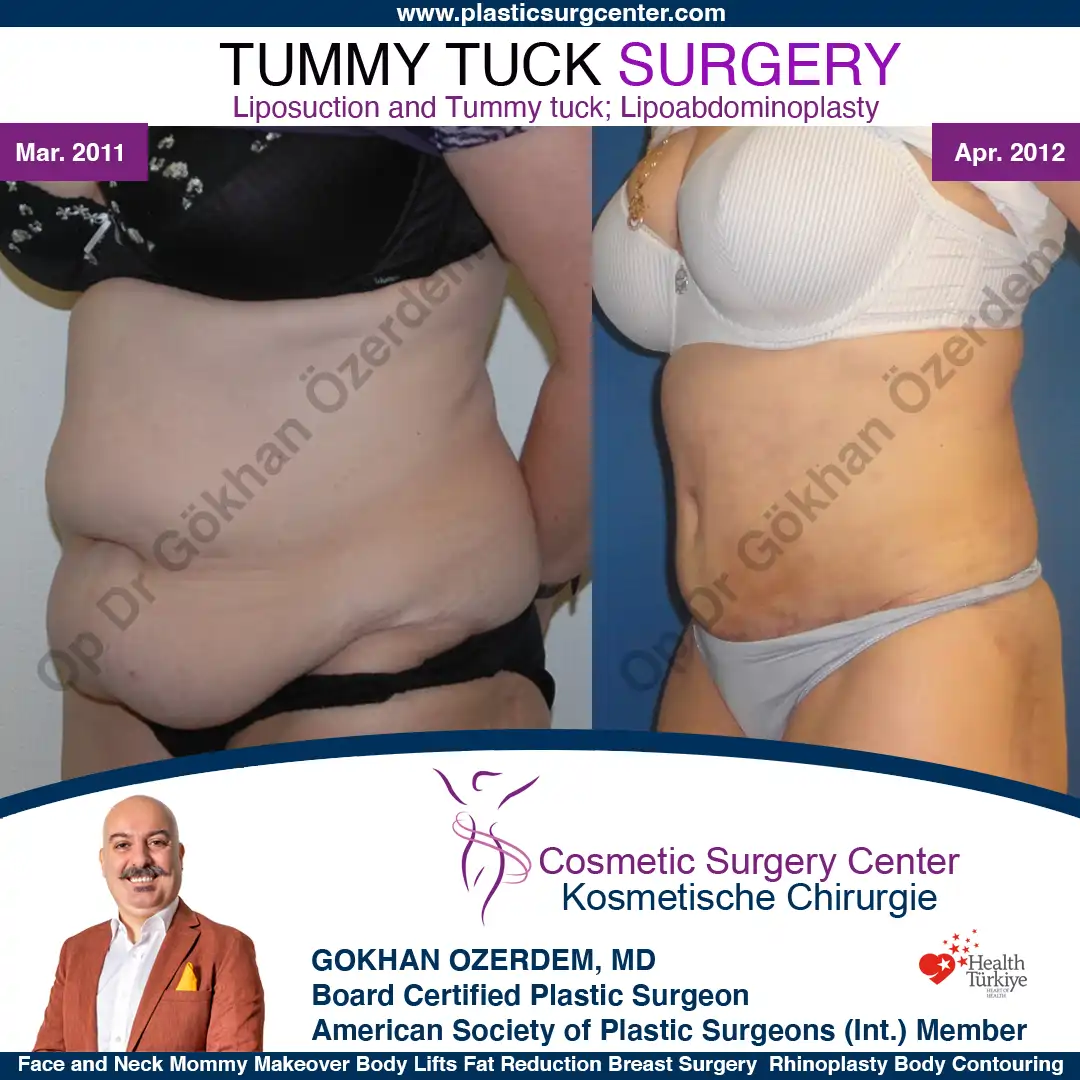
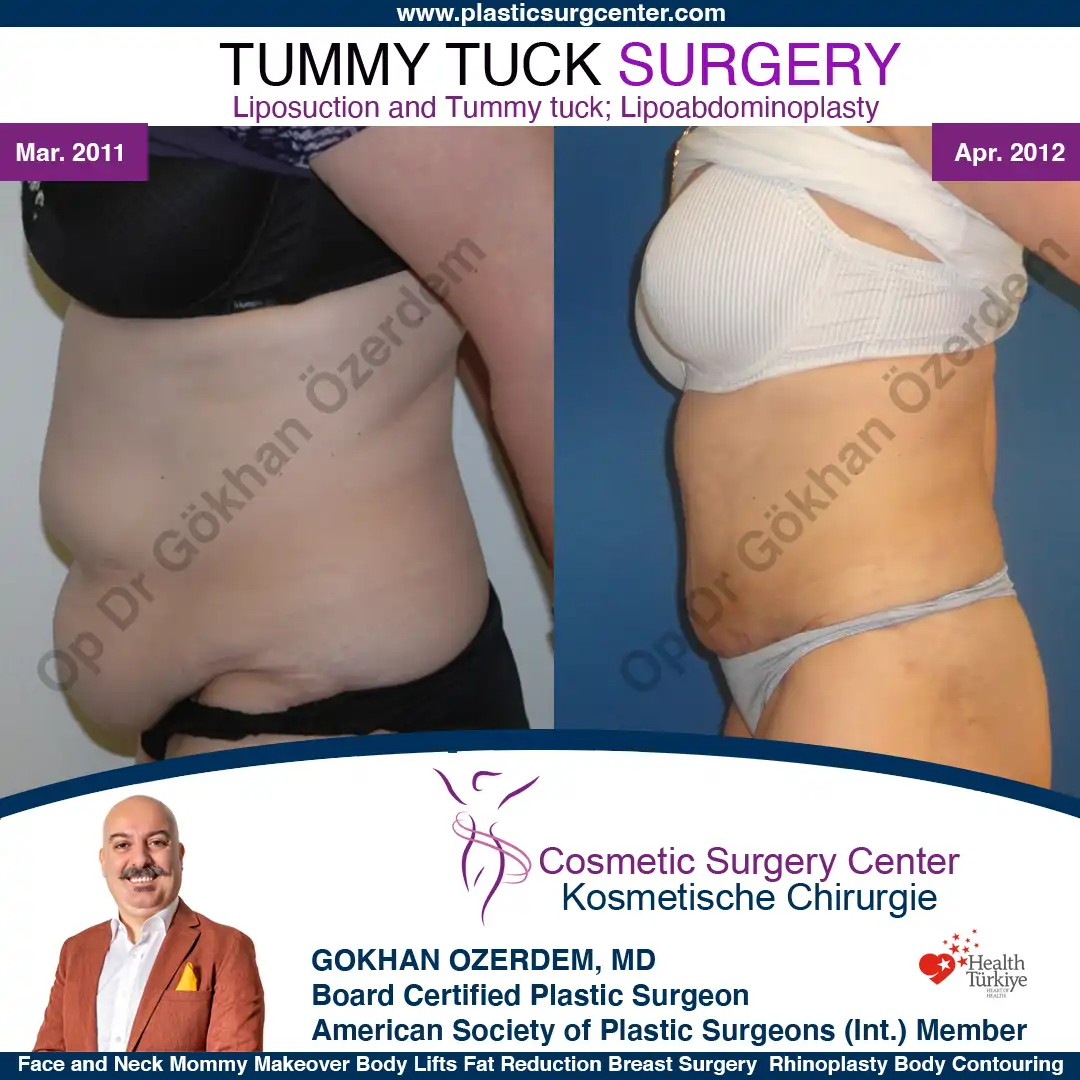
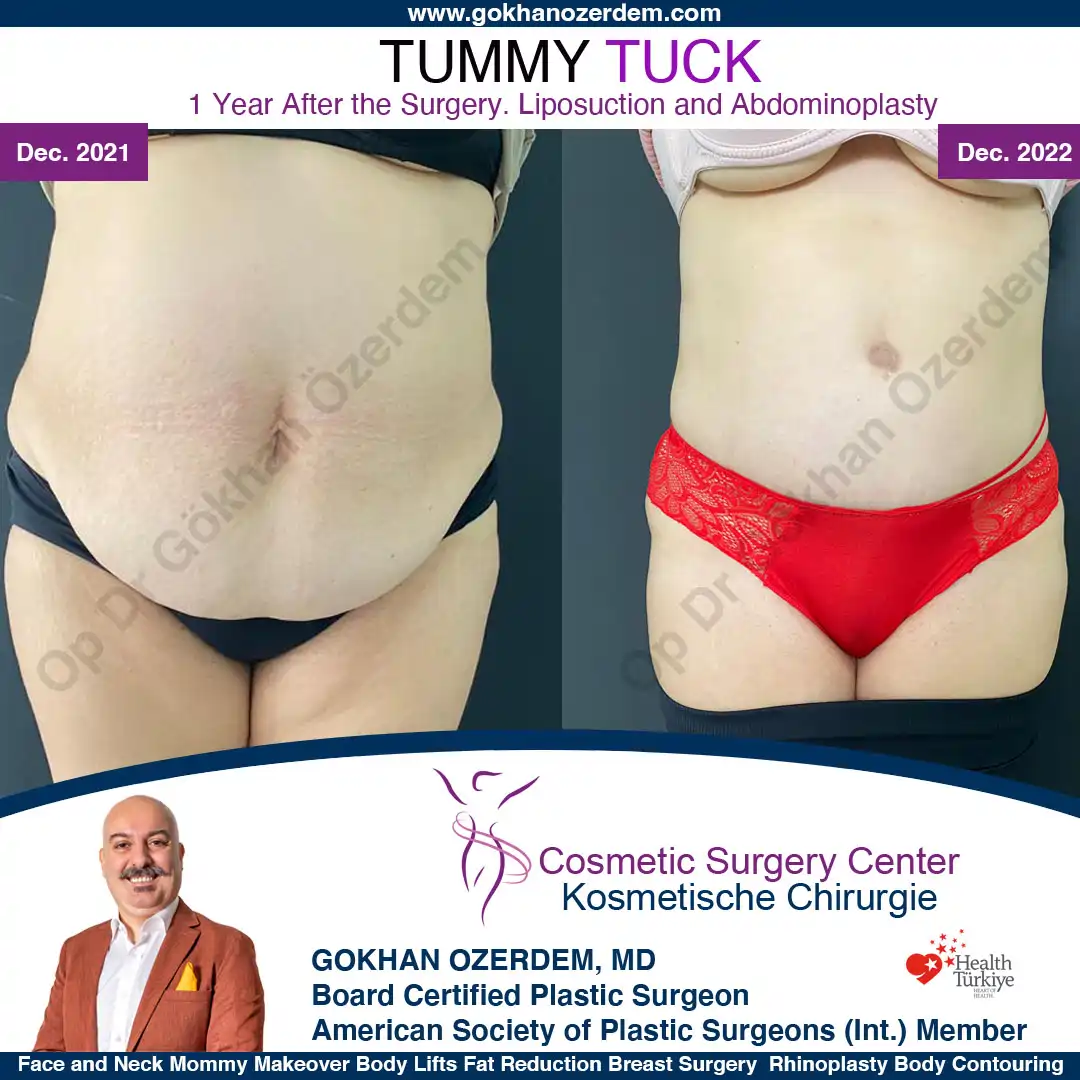
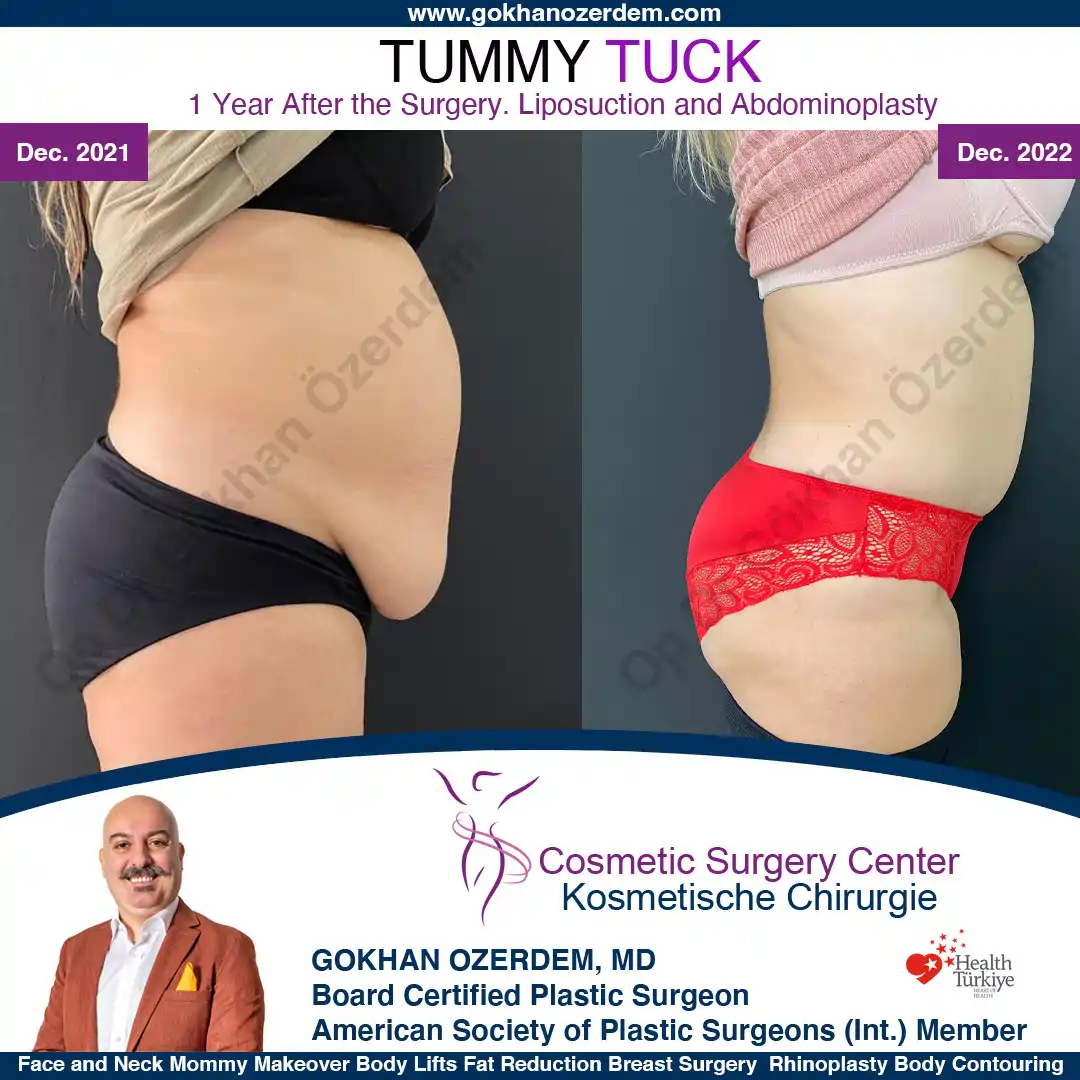
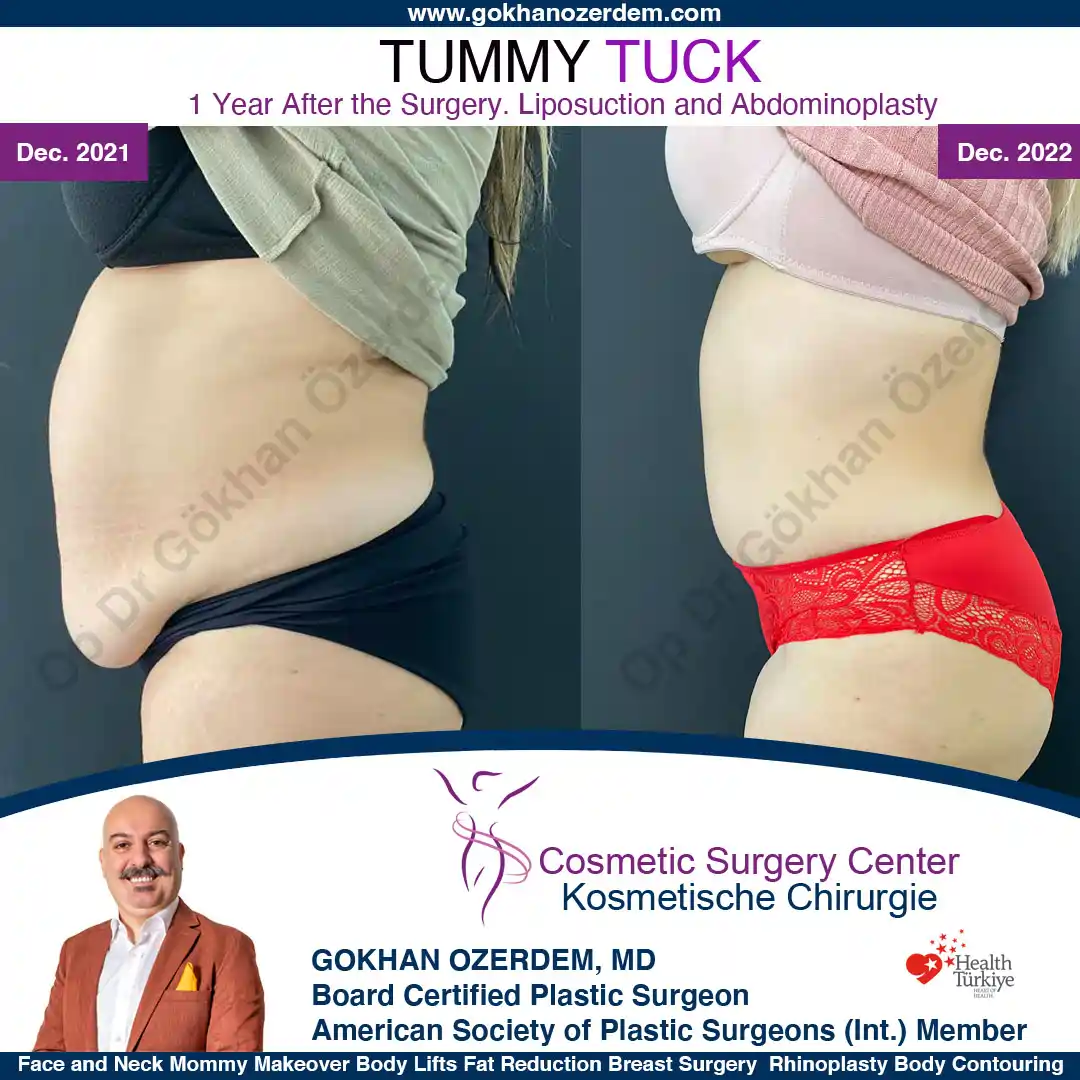
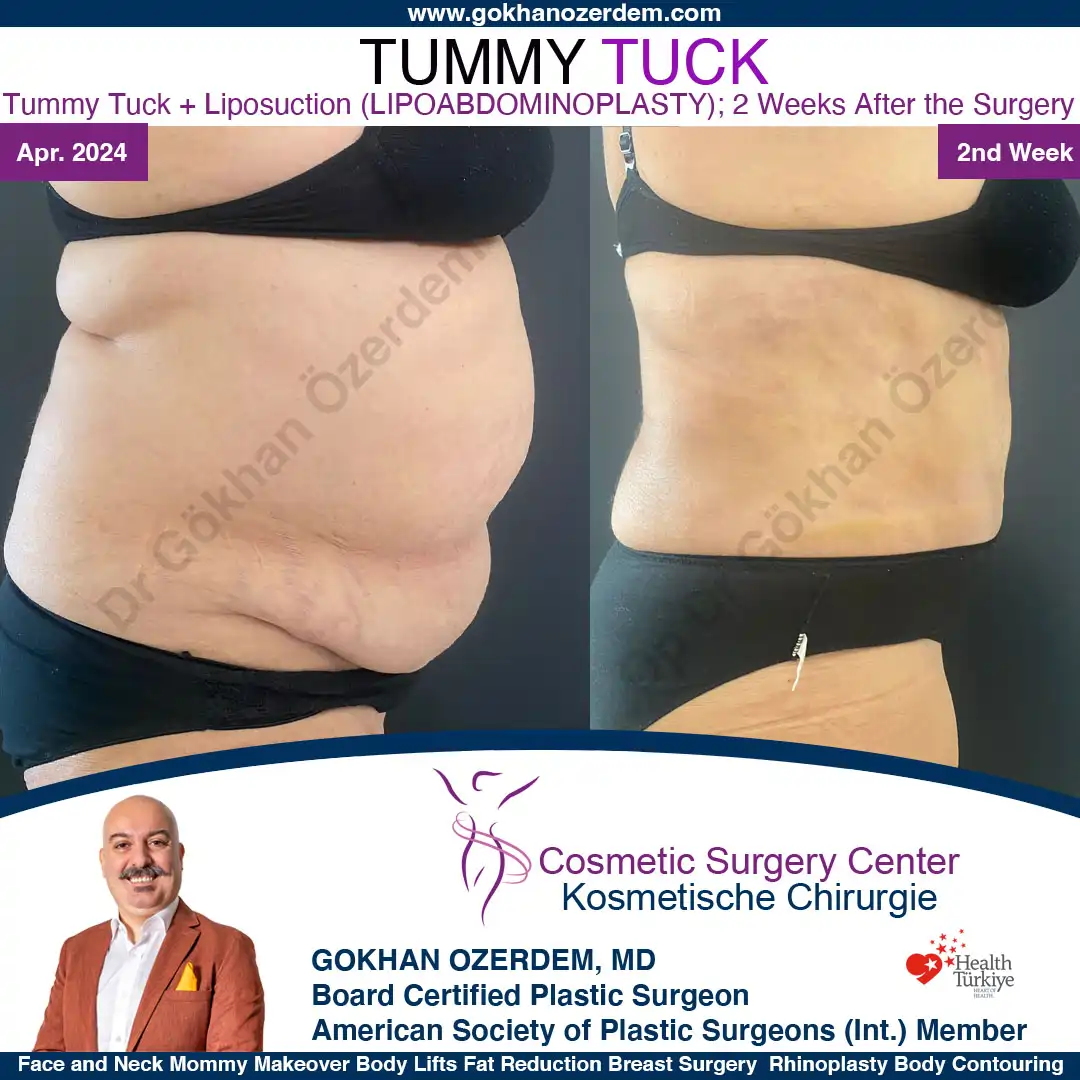
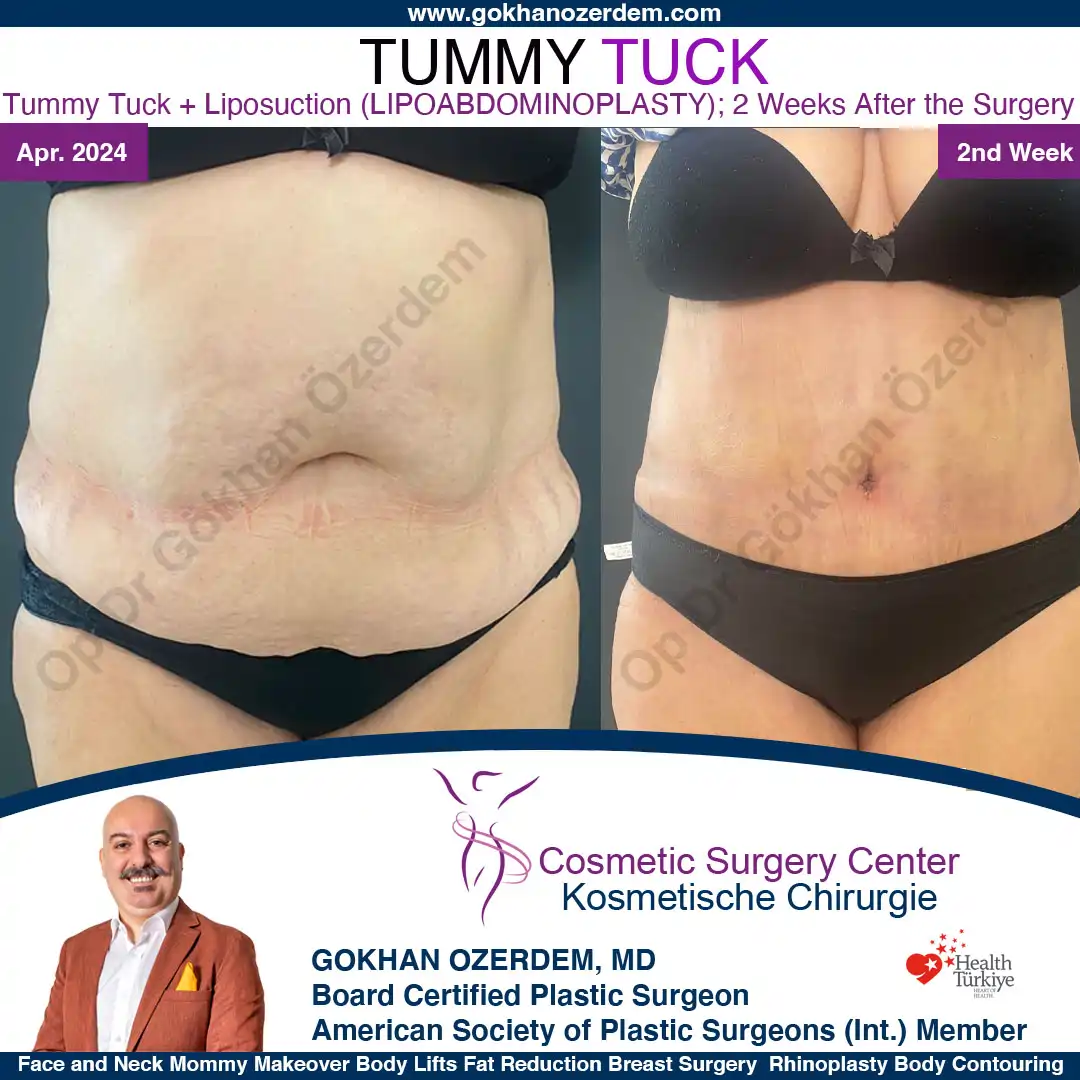
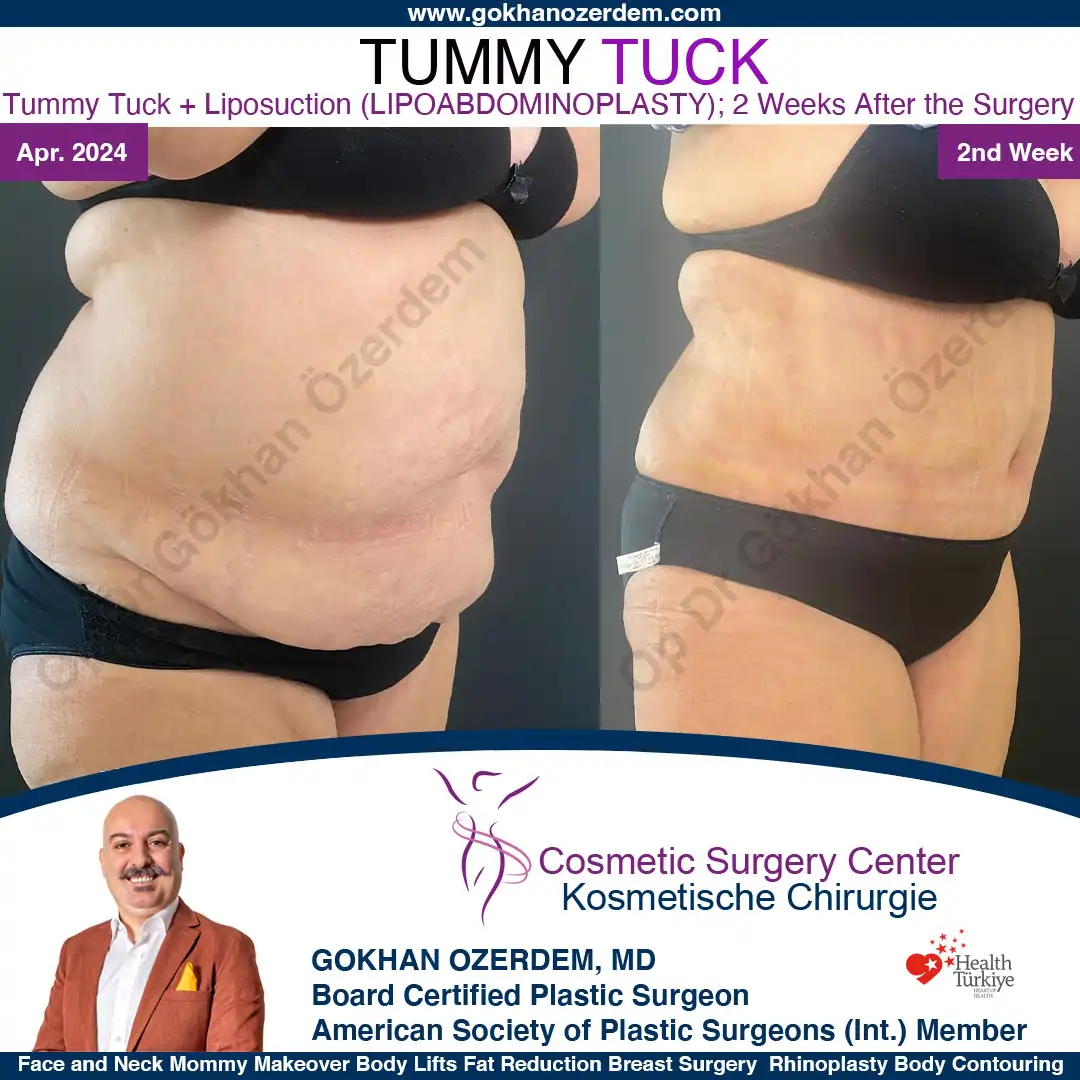
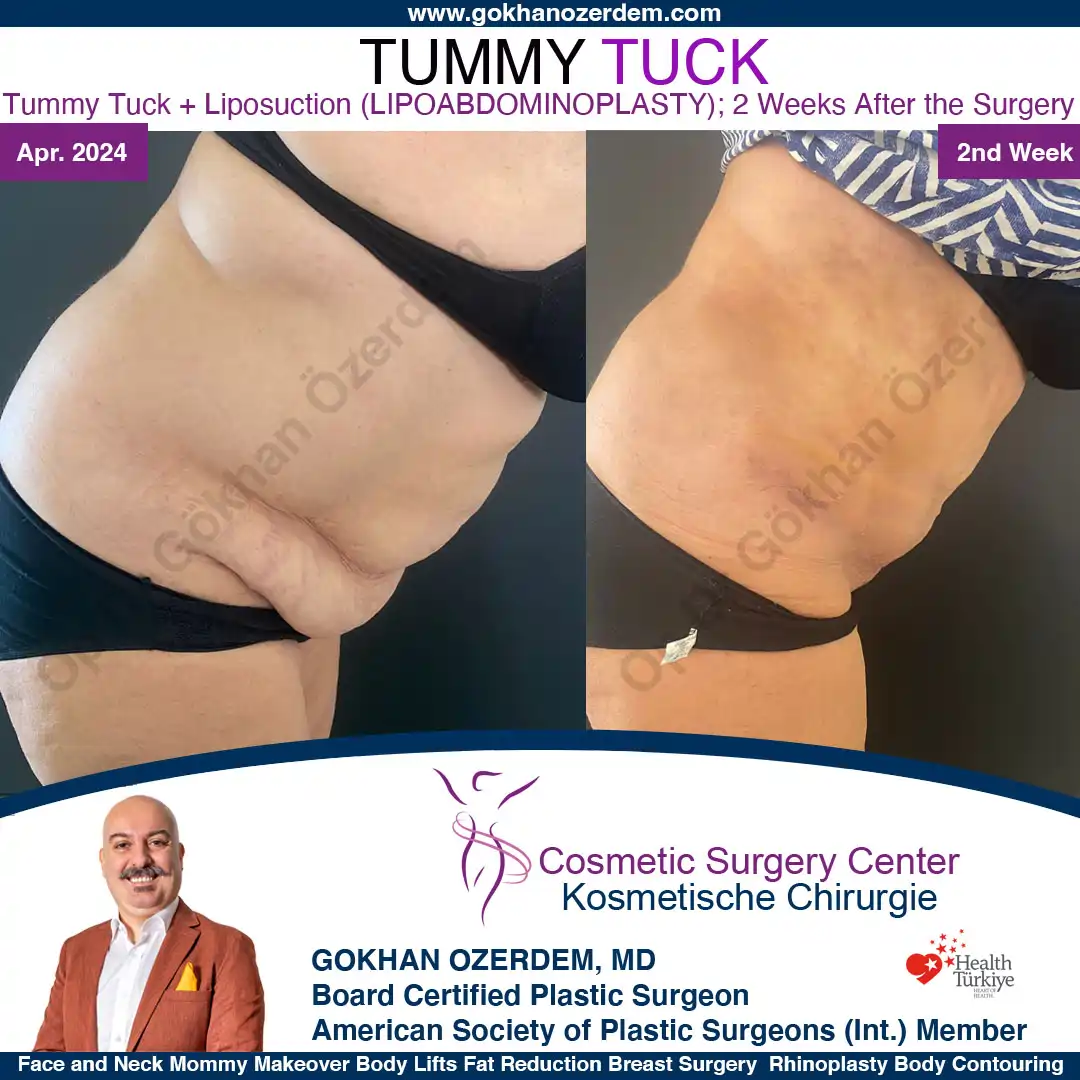
Abdominoplasty After Major Weight Loss
The abdomen is often one of the most affected areas after substantial weight reduction.
Patients may develop a large skin fold hanging over the lower abdomen.
This fold is sometimes called an abdominal pannus.
It may cause:
- Skin irritation
- Difficulty maintaining hygiene
- Discomfort during movement
- Problems with clothing
- Recurrent inflammation within skin folds
Abdominoplasty removes excess abdominal skin and can improve the abdominal contour.
When indicated, it may also include repair of abdominal wall separation.
However, standard abdominoplasty does not correct every pattern of skin excess.
Patients with more extensive changes may require a different technique.
Panniculectomy or Tummy Tuck?
These terms are sometimes used interchangeably, but they do not describe exactly the same operation.
Panniculectomy primarily involves removing an overhanging apron of excess lower abdominal skin and fatty tissue.
It may be considered when the pannus causes hygiene difficulties, skin problems or functional discomfort.
Abdominoplasty generally involves more extensive abdominal reshaping and may include abdominal wall tightening and umbilical repositioning.
The appropriate operation depends on the patient’s anatomy, symptoms and surgical objectives.
A patient seeking relief from a large hanging abdominal fold may not require the same procedure as someone seeking comprehensive abdominal contour improvement.
Fleur-de-Lis Abdominoplasty
When Horizontal Skin Removal Is Not Enough
Some patients have excess abdominal skin in both vertical and horizontal directions.
A standard tummy tuck primarily removes skin through a lower horizontal incision.
However, it may not adequately correct substantial looseness across the width of the abdomen.
In selected patients, I consider Fleur-de-Lis abdominoplasty.
This technique adds a vertical abdominal incision to the usual lower horizontal incision.
The resulting scar pattern resembles an inverted T.
The additional incision allows more extensive skin removal and improvement of the waist and abdominal contour.
However, it also creates a longer and more visible scar.
The decision depends on whether the additional correction justifies this trade-off.
What Is a 360-Degree Body Lift?
A 360-degree body lift is commonly used to describe a circumferential lower body lift.
The operation addresses excess skin around the lower trunk rather than the abdomen alone.
Depending on the technique and anatomy, it may improve:
- Abdomen
- Waist
- Flanks
- Lower back
- Outer thigh contour
- Buttock position
The incision generally extends around the circumference of the lower body.
This is a more extensive operation than a standard tummy tuck.
It requires careful assessment of surgical duration, blood loss, fluid management, positioning and postoperative recovery.
Lower Body Lift or Tummy Tuck?
A tummy tuck primarily addresses the abdomen.
A lower body lift can treat skin excess extending around the waist and lower back.
| Tummy Tuck | Circumferential Lower Body Lift |
| Primarily treats abdominal skin excess | Treats skin excess around the lower trunk |
| Usually involves a lower abdominal incision | Involves a circumferential incision |
| May include abdominal wall repair | May combine abdominal correction with lower back and buttock contouring |
| Generally less extensive | Usually requires more extensive surgery and recovery |
A circumferential body lift is not automatically preferable.
If the patient’s main problem is limited to the abdomen, a tummy tuck may be sufficient.
What Happens to the Buttocks After Major Weight Loss?
Substantial weight reduction can lead to loss of buttock volume and descent of the surrounding skin.
Some patients develop a flattened or sagging buttock contour.
A lower body lift may improve the position of selected tissues through skin removal and lifting.
However, lifting loose skin does not necessarily restore lost buttock volume.
The surgical plan should distinguish between:
- Skin laxity
- Tissue descent
- Loss of fat volume
- Remaining fat deposits
- Overall pelvic and buttock anatomy
Additional contouring procedures may be considered in selected patients, but they are not automatically necessary.
Arm Lift After Weight Loss
The upper arms frequently develop loose skin following major weight reduction.
Patients may notice hanging folds extending from the armpit towards the elbow.
This condition is not reliably corrected by exercise or liposuction alone.
Depending on the distribution of skin excess, I may recommend:
- Mini arm lift
- Traditional brachioplasty
- Extended arm lift
The incision is generally positioned along the inner or posteromedial upper arm.
In patients with extensive skin laxity, the scar may need to extend towards the lateral chest.
I explain the expected scar pattern before surgery.
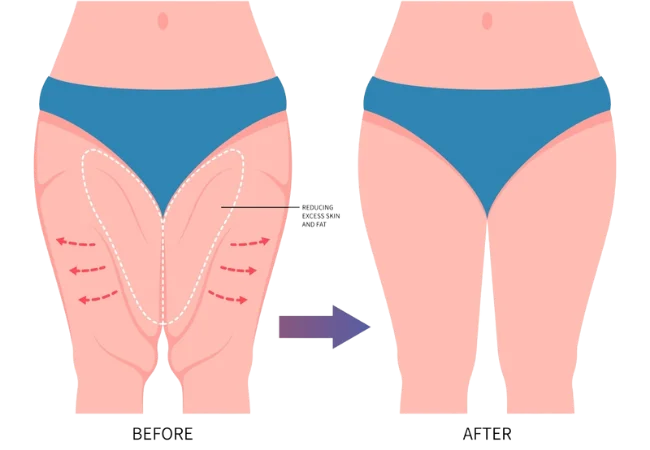
Inner Thigh Lift After Weight Loss
Loose skin along the inner thighs can cause friction and discomfort during walking.
Some patients develop skin folds extending towards the knee.
A limited upper inner thigh lift may be sufficient when skin excess is concentrated near the groin.
However, more extensive laxity often requires a vertical medial thigh incision.
In selected patients, an extended procedure may be necessary.
Particular attention must be given to wound tension, lymphatic structures and the movement of the groin region.
These considerations make thigh lift surgery different from skin removal in other areas.
Breast Surgery After Major Weight Loss
Significant weight loss can change both breast volume and skin support.
Women may experience:
- Breast descent
- Loss of upper breast fullness
- Loose breast skin
- Changes in nipple position
- Asymmetry
The appropriate procedure depends on the remaining breast tissue and the desired result.
Options may include:
- Breast lift
- Breast reduction
- Breast augmentation with lift in selected patients
- More extensive breast reshaping after major weight loss
A breast implant is not always necessary.
In some patients, reshaping the existing breast tissue provides an appropriate improvement.
Male Chest Contouring After Weight Loss
Men may develop loose chest skin after major weight reduction.
This can occur with or without remaining glandular or fatty tissue.
Liposuction alone may not provide sufficient correction when the skin is significantly loose.
Some patients require direct skin removal.
The resulting scar depends on the degree of tissue excess and nipple position.
I assess whether the problem involves fat, glandular tissue, skin laxity or a combination.
Upper Body Lift After Weight Loss
Some patients develop significant loose skin across the upper back and lateral chest.
These areas may remain affected even after abdominal and arm contouring.
An upper body lift can address selected patterns of skin excess.
However, the incision pattern varies according to the anatomy.
The operation may involve scars across the upper back or lateral chest.
It is not necessary for every post-bariatric patient.
I consider it when the remaining skin excess is substantial enough to justify the additional surgery and scarring.
Can Liposuction Replace Skin Removal Surgery?
Usually not when significant skin laxity is present.
Liposuction removes selected subcutaneous fat.
It does not reliably eliminate substantial loose skin.
After major weight loss, some patients have relatively little remaining fat but considerable excess skin.
In these cases, liposuction may offer limited improvement and can sometimes make the skin appear more deflated.
For this reason, I distinguish carefully between excess fat and excess skin.
A patient who has already lost substantial weight often needs tissue removal rather than further fat reduction.
Can Liposuction Be Combined with Skin Removal?
Yes, in selected cases.
Carefully planned liposuction may help improve contour around the areas being treated.
For example, it may be considered with:
- Abdominoplasty
- Arm lift
- Thigh lift
- Selected chest procedures
However, combining liposuction with extensive skin removal requires attention to tissue circulation and wound healing.
I do not recommend aggressive fat removal simply to maximise the extent of surgery.
Why Nutrition Matters Before Post-Bariatric Surgery
Patients who have undergone bariatric surgery may develop nutritional deficiencies.
These can occur because of reduced food intake, altered absorption or other factors.
Deficiencies may affect wound healing and general recovery.
Before extensive body-contouring surgery, medical assessment may include:
- Full blood count
- Iron and ferritin
- Vitamin B12
- Folate
- Vitamin D
- Albumin and other indicators of nutritional status
- Additional tests based on the type of bariatric procedure and medical history
Protein intake is also important.
Laboratory tests must be interpreted alongside the patient’s clinical condition.
If significant deficiencies are present, I prefer to address them before elective surgery.
Anaemia and Wound Healing
Anaemia can affect the body’s ability to tolerate surgery and recover appropriately.
Some patients develop iron deficiency following bariatric surgery.
Others may have deficiencies involving vitamin B12 or folate.
These conditions should be identified and treated when necessary.
Extensive skin removal can involve considerable surgical dissection.
For this reason, adequate medical preparation is particularly important.
Why Smoking Is a Major Concern
Smoking and nicotine exposure can impair tissue circulation and wound healing.
Post-weight-loss body contouring often involves long incisions and large areas of tissue repositioning.
Poor tissue circulation can increase the risk of:
- Delayed healing
- Wound separation
- Infection
- Skin necrosis
- Unfavourable scarring
I assess smoking and nicotine use before surgery and provide appropriate preoperative instructions.
Patients should disclose all nicotine products, including vaping and nicotine replacement products.
Should All Body-Contouring Procedures Be Performed Together?
Not necessarily.
This is one of the most important decisions in post-weight-loss surgery.
Patients sometimes request abdominal, arm, thigh and breast surgery during a single anaesthetic.
However, combining extensive procedures can increase:
- Operative duration
- Blood loss
- Fluid requirements
- Thromboembolic risk
- Wound-healing demands
- Difficulty with postoperative mobility
- Recovery burden
In my practice, I frequently recommend dividing extensive body-contouring surgery into two or three stages when this provides a more appropriate safety profile.
The exact number of stages depends on the patient’s health and the procedures required.
How Do I Decide Which Operation Comes First?
There is no universal sequence.
I consider:
- Which area causes the greatest functional difficulty
- Which procedure is most important to the patient
- General health
- Nutritional status
- Expected surgical duration
- Recovery requirements
- Whether two procedures interfere with each other’s healing
For example, a patient with a large abdominal pannus causing recurrent irritation may benefit from abdominal surgery first.
Another patient may prioritise severe upper arm skin excess.
The sequence should reflect both medical considerations and the patient’s needs.
How Much Time Should Pass Between Surgical Stages?
The interval depends on the extent of the first operation and the patient’s recovery.
Before planning another procedure, I assess:
- Wound healing
- Recovery of mobility
- General health
- Nutritional status
- Resolution of complications
- Readiness for another anaesthetic
A fixed interval is not appropriate for every patient.
I prefer to plan the next stage after confirming that recovery from the previous operation is satisfactory.
Are Body-Contouring Scars Longer After Major Weight Loss?
Often, yes.
Patients with extensive skin excess generally require longer incisions than patients undergoing limited aesthetic procedures.
Possible scar patterns include:
- Lower horizontal abdominal scar
- Vertical abdominal scar
- Circumferential waist scar
- Inner upper arm scar
- Inner thigh scar
- Lateral chest or upper back scar
These scars are permanent.
They usually become less noticeable as they mature, but they do not disappear completely.
I discuss scar position and length before surgery because the trade-off between skin removal and scarring is central to post-weight-loss body contouring.
How Long Do Scars Take to Mature?
Scar maturation often continues for 12–18 months or longer.
During this period, scars may gradually soften and fade.
However, individual healing varies.
Some patients develop widened, raised or hypertrophic scars.
Wound tension, smoking, nutritional status and postoperative complications can affect scar quality.
I do not promise invisible scars.
Can Body Contouring Improve Skin Irritation?
Removing substantial hanging skin folds may reduce areas where moisture and friction accumulate.
This can help selected patients who experience recurrent irritation beneath excess skin.
However, surgery is not a guarantee that all skin problems will disappear.
Active infections or inflammatory skin conditions should be assessed and treated appropriately before elective surgery.
Does Body Contouring Help with Exercise and Mobility?
Excess skin can interfere with movement in some patients.
For example, large abdominal folds or loose inner thigh skin may cause discomfort during walking or exercise.
Removing excess tissue may improve comfort and make certain activities easier.
However, recovery itself involves temporary activity restrictions.
Patients should not expect immediate improvement in physical performance after surgery.
Can Body Contouring Remove Stretch Marks?
Stretch marks located within skin that is surgically removed may be eliminated.
However, stretch marks outside the excised area remain.
Body-contouring surgery does not remove all stretch marks.
The degree of improvement depends on the incision pattern and the location of the affected skin.
Can Body Contouring Correct Cellulite?
Body-contouring surgery is not a reliable treatment for cellulite.
Although removing excess skin can change the appearance of the body, it does not consistently correct the underlying structures responsible for cellulite.
Patients should have realistic expectations about skin texture after surgery.
Can Loose Skin Return After Surgery?
The skin removed during surgery does not return.
However, the remaining skin continues to age.
Significant weight changes can also alter the result.
Future weight gain may stretch the tissues again.
Further weight loss may create additional laxity.
Maintaining a relatively stable weight is important for preserving the improvement.
Anaesthesia and Hospital
I perform major body-contouring procedures under general anaesthesia in fully equipped hospitals in Antalya, Turkey.
These operations require careful preparation and appropriate postoperative monitoring.
Before surgery, I consider:
- General health
- Cardiovascular and respiratory conditions
- Previous bariatric surgery
- Nutritional status
- Anaemia
- Smoking and nicotine use
- Medication
- Blood-clot risk
- Expected surgical duration
- Planned procedures
- Recovery requirements
The extent of surgery is determined by what can be performed safely.
Recovery After Post-Weight-Loss Body Contouring
Recovery depends on which procedures are performed.
A limited arm lift has different recovery requirements from a circumferential body lift.
Patients may experience:
- Swelling
- Bruising
- Tightness
- Temporary numbness
- Discomfort
- Reduced mobility
- Fluid drainage
- Fatigue
Long incisions and extensive tissue repositioning may require additional wound care.
I provide individual postoperative instructions.
Why Early Movement Matters
Early, gentle mobilisation is an important part of postoperative recovery.
Prolonged immobility can increase the risk of blood clots.
However, movement must be appropriate for the operation.
A patient recovering from thigh surgery may have different restrictions from someone recovering from abdominal surgery.
I balance the need for mobilisation with protection of the healing tissues.
Will I Need Compression Garments?
Compression garments are commonly used after selected body-contouring procedures.
The type depends on the operated area.
Patients may require:
- Abdominal support garments
- Arm compression sleeves
- Thigh compression garments
- Other specialised postoperative support
Compression should not be excessive.
The garment must fit appropriately and should not compromise circulation or wound healing.
When Can I Return to Work?
Return to work depends on the procedures performed and the patient’s occupation.
Extensive body-contouring surgery generally requires a longer recovery than limited aesthetic surgery.
Patients with desk-based jobs may return sooner than those performing heavy physical work.
However, the ability to return to work does not mean that all swelling or tissue healing has resolved.
I provide an individual recovery plan.
When Can I Exercise?
Gentle walking is encouraged during early recovery when medically appropriate.
Strenuous exercise, heavy lifting and activities that place tension on the incisions should be resumed gradually.
The timetable varies according to the procedures performed.
Patients undergoing extensive abdominal, arm or thigh surgery may require different restrictions.
When Will I See the Final Result?
The reduction in hanging skin is visible relatively early.
However, postoperative swelling can temporarily affect the contour.
Over the following months:
- Swelling decreases
- Tissues soften
- Body contours become more established
- Scars begin to mature
- Temporary tightness gradually improves
The final result develops gradually.
In extensive body-contouring surgery, complete tissue settling may take many months.
Risks and Limitations of Post-Weight-Loss Surgery
Body-contouring surgery carries recognised risks.
Potential complications include:
- Bleeding
- Infection
- Haematoma
- Seroma
- Delayed wound healing
- Wound separation
- Skin or fat necrosis
- Unfavourable scarring
- Hypertrophic or widened scars
- Persistent swelling
- Changes in skin sensation
- Asymmetry
- Contour irregularities
- Lymphatic complications
- Need for revision surgery
- Anaesthetic complications
- Deep vein thrombosis
- Pulmonary embolism
Extensive operations and combined procedures may increase risk.
Patients with nutritional deficiencies or significant medical conditions may require additional preparation.
I discuss the relevant risks before surgery.
Body Contouring in Turkey for International Patients
Travelling to Antalya After Major Weight Loss
International patients can begin with a preliminary assessment before travelling to Turkey.
My team may request:
- Medical history
- Current medication
- Height and weight
- Weight-loss history
- Previous bariatric procedures
- Weight stability
- Relevant blood test results
- Smoking history
- Previous operations
- Photographs of the affected areas
This information helps with preliminary planning.
However, photographs cannot replace physical examination.
The final surgical plan is confirmed after I assess the patient personally in Antalya.
How Long Should I Stay in Antalya?
The appropriate length of stay depends on the procedures performed.
For some limited operations, approximately 7–10 days may be sufficient for early postoperative assessment.
However, extensive post-bariatric body-contouring procedures, particularly circumferential body lifts or major combined operations, may require a substantially longer stay.
I do not recommend using a standard short medical-tourism package to determine recovery time after extensive surgery.
Travel readiness depends on:
- Wound healing
- Mobility
- Fluid collections or drains
- General recovery
- Blood-clot risk
- Need for further medical assessment
Long-distance flights should be planned carefully.
I recommend returning home only after appropriate postoperative evaluation.
Why Choose Dr Gökhan Özerdem for Post-Weight-Loss Body Contouring?
Post-weight-loss surgery requires a different approach from limited aesthetic body contouring.
The surgeon must consider:
- Multiple areas of skin excess
- Long incision patterns
- Tissue circulation
- Nutritional status
- Previous bariatric surgery
- Increased wound-healing demands
- Recovery and mobility
- Blood-clot prevention
- The safety of combined procedures
- Whether surgery should be divided into stages
With more than 25 years of surgical experience, I approach these operations through careful anatomical assessment and medical preparation.
I do not believe that removing the greatest possible amount of skin during one operation is always the correct strategy.
In extensive cases, I may recommend two or three separate surgical stages.
The quality of the final result depends not only on what is removed, but also on how safely the operation is planned and how well the patient recovers.
Frequently Asked Questions About Body Contouring After Major Weight Loss
It refers to surgical procedures that remove excess skin and reshape body areas after substantial weight loss, including weight loss following bariatric surgery.
There is no universal number. The important considerations are weight stability, remaining skin excess, general health and nutritional status.
Timing varies. Surgery is generally considered after weight has stabilised and medical and nutritional recovery are satisfactory.
Some skin contraction may occur, but substantial excess skin often remains, particularly after very large weight changes.
Exercise improves muscle strength and fitness but cannot reliably eliminate substantial excess skin.
It is commonly used to describe a circumferential lower body lift that addresses excess skin around the abdomen, waist and lower back.
No. A tummy tuck primarily treats the abdomen, while a circumferential body lift addresses a larger area around the lower trunk.
It is an abdominal skin-removal technique using both horizontal and vertical incisions to address extensive skin excess in two directions.
Possibly, but combining procedures increases surgical demands. The decision depends on health, operative duration and recovery requirements.
Not always. Extensive body contouring may be safer when divided into two or three stages.
Staging can limit operative duration and allow recovery between procedures, particularly when several large areas require correction.
Yes. Appropriate preoperative tests are necessary, and patients with previous bariatric surgery may require additional nutritional assessment.
Adequate protein intake supports tissue repair and wound healing. Protein deficiency can increase recovery difficulties.
Yes. Significant anaemia may require investigation and treatment before elective surgery.
Yes. Smoking and nicotine exposure can impair tissue circulation and increase wound-healing complications.
Usually not when substantial loose skin is present. Liposuction removes fat but does not reliably eliminate excess skin.
Removing hanging skin folds may reduce areas of friction and moisture, although improvement depends on the individual condition.
It may improve comfort and movement in selected patients, particularly when excess skin interferes with daily activities.
Extensive skin removal generally requires long incisions. Scar patterns depend on the areas treated.
Some scars can be positioned beneath suitable clothing, but others remain visible. No body-contouring procedure is scarless.
Stretch marks within removed skin may disappear. Stretch marks outside the excised area remain.
No. These operations are not reliable treatments for cellulite.
Recovery varies considerably. Extensive procedures generally require longer healing and activity restrictions than limited operations.
Gentle walking begins early when medically appropriate. Strenuous exercise is resumed according to healing and the procedures performed.
Removed skin does not return, but aging and significant weight changes can alter the remaining tissues.
The appropriate stay depends on the procedure. Extensive body lifts or combined operations may require considerably longer than 7–10 days.
Possibly. Patients requiring staged operations may need separate visits for surgery and recovery.
Considering Body Contouring After Major Weight Loss in Antalya, Turkey?
If you have lost a substantial amount of weight and are considering surgery in Turkey, the most important question is not:
“Can all the loose skin be removed at once?”
The more useful questions are:
Which areas require surgery? What scars will be necessary? Is my weight and nutritional status suitable? Which procedure should come first? And would staged surgery offer a safer approach?
An initial assessment can help clarify the available options before you arrange your journey.
Dr Gökhan Özerdem
Specialist in Aesthetic, Plastic and Reconstructive Surgery
Antalya, Turkey
Contact Our International Patient Team
Request a Preliminary Post-Weight-Loss Body Contouring Assessment
Face: – Rhinoplasty – Eyelid Surgery – Forehead and Brow Lift – Ear Surgery –
Breast: – Breast Augmentation – Breast Lift – Breast Reduction – Gynecomastia –
Body: – Tummy Tuck – Mini Tummy Tuck – Liposuction – Arm Lift – Thigh Lift – Body Contouring – Mommy Makeover –