

Choosing a plastic surgeon is an important decision, particularly when considering surgery in another country.
Patients should understand who will perform their operation, what professional experience the surgeon has, where the surgery will take place and how postoperative care will be organised.
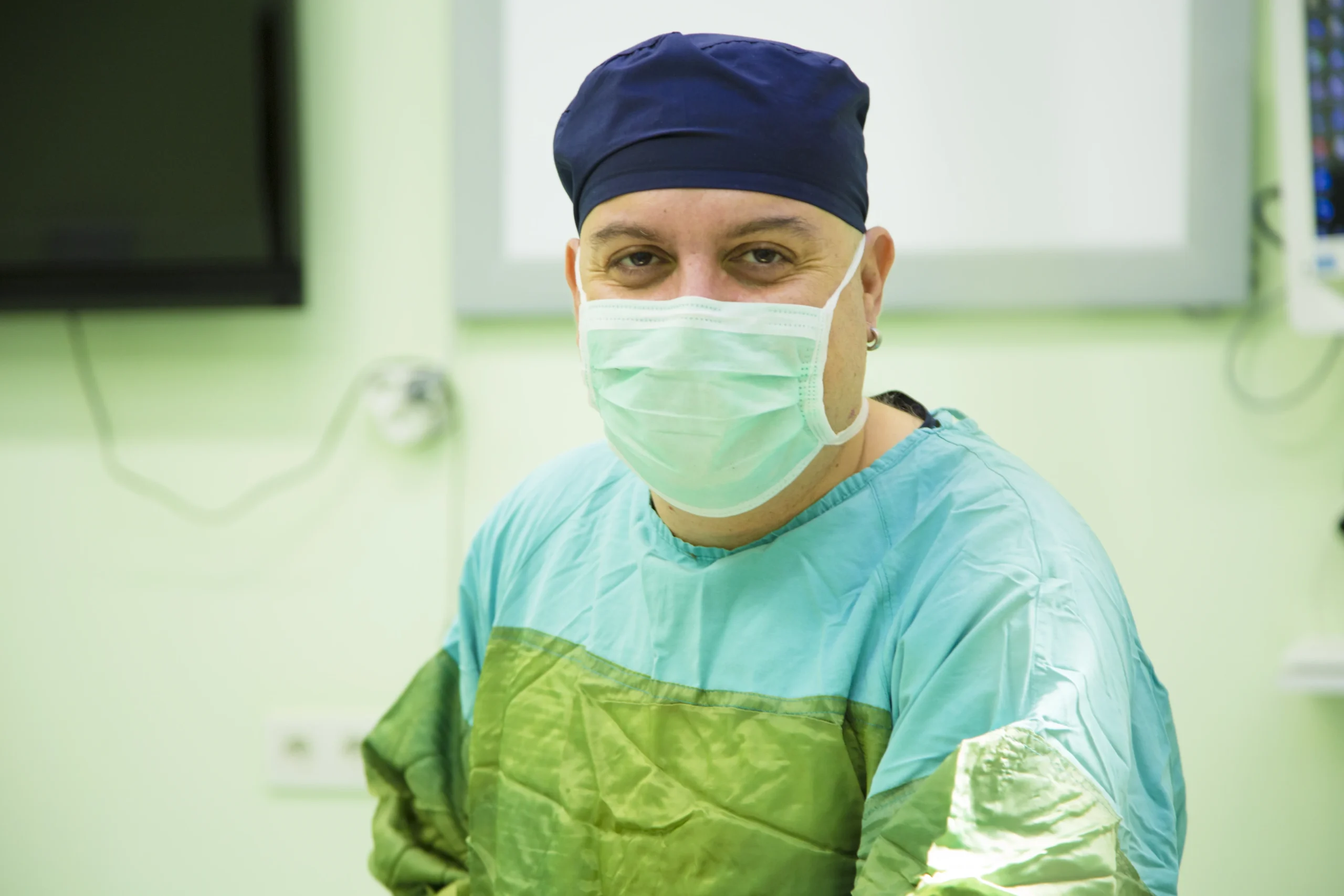
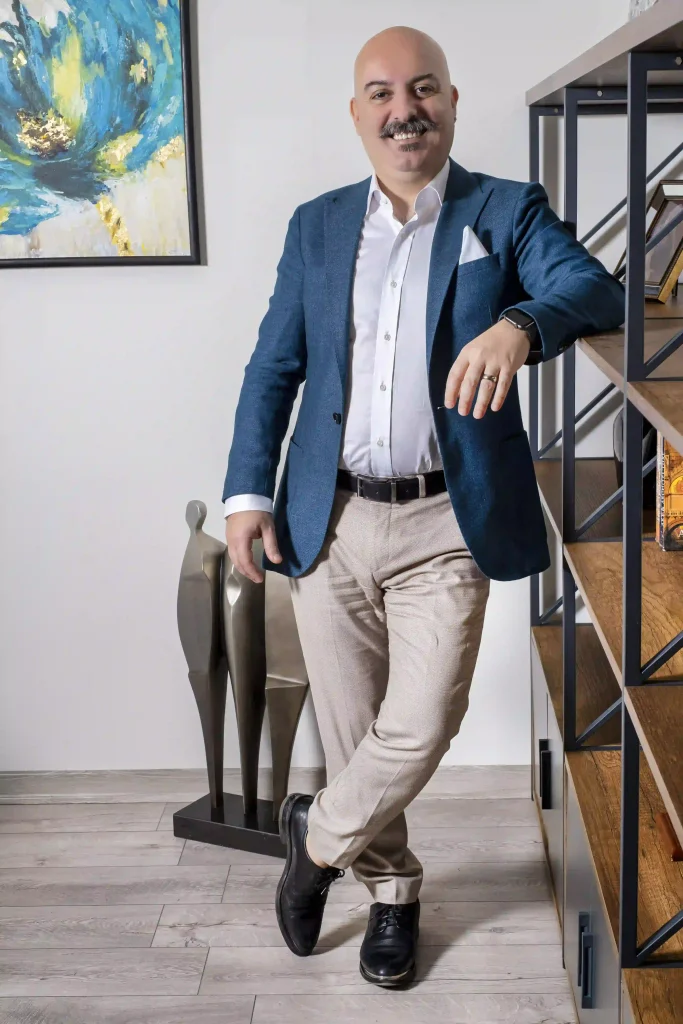
I am Dr Gökhan Özerdem, Specialist in Aesthetic, Plastic and Reconstructive Surgery, practising in Antalya, Turkey.
I have more than 25 years of surgical experience and have performed thousands of aesthetic and reconstructive surgical procedures.
My professional background includes clinical experience in Turkey and Dubai, educational and observational experience in the United Kingdom, international professional memberships and participation in scientific meetings.
I believe that a surgical consultation should provide more than a description of an operation.
It should help patients understand their anatomy, the available options, the limitations of surgery and the risks involved.
My approach is based on careful examination, appropriate surgical technique, realistic expectations and patient safety.
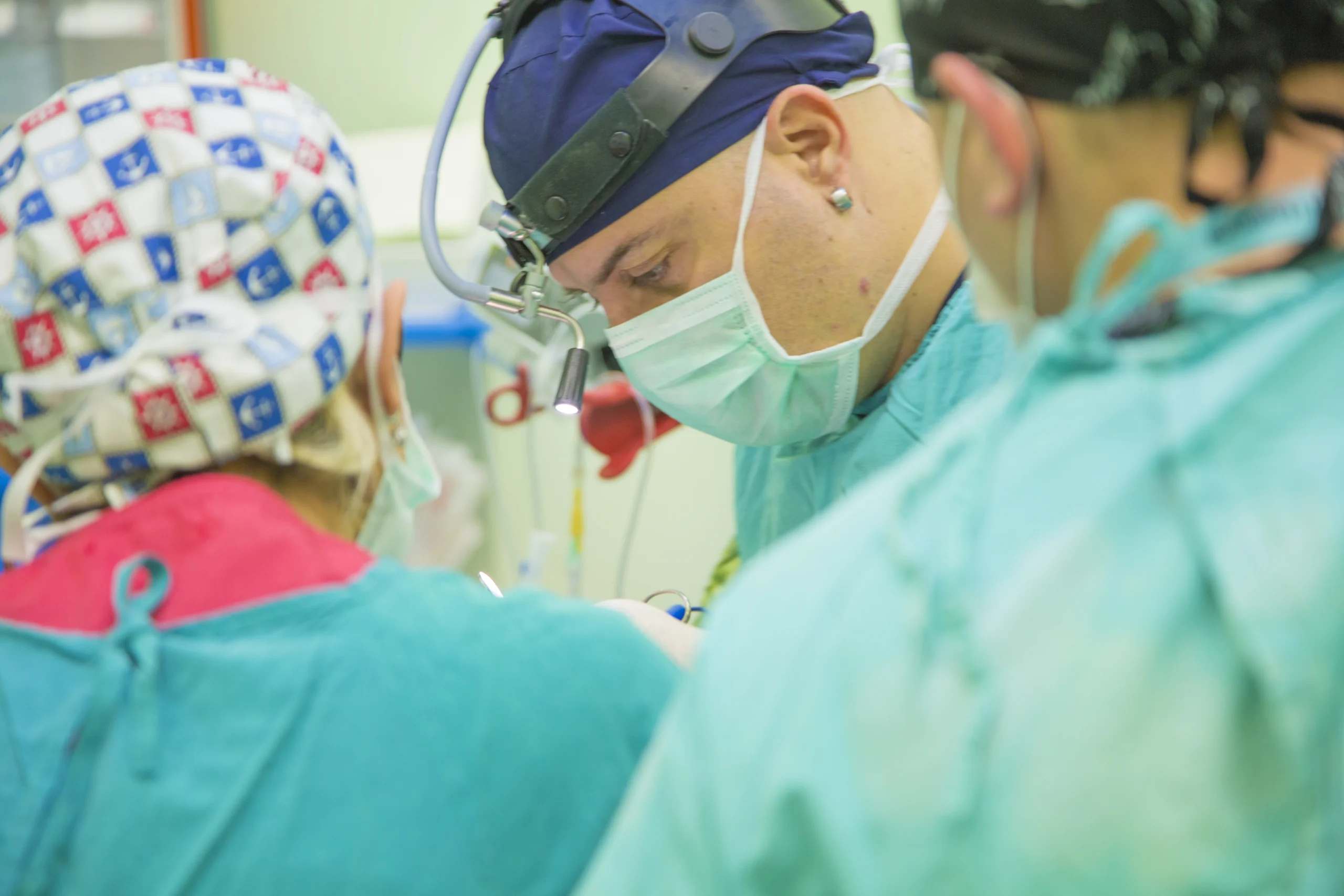
My Professional Background
Plastic surgery encompasses a broad range of procedures involving the face, breasts, body and reconstructive treatment of tissues.
Throughout my surgical career, I have gained experience in both aesthetic and reconstructive surgery.
This background has influenced how I approach cosmetic operations.
An aesthetic result depends not only on appearance but also on tissue anatomy, circulation, wound healing, scar placement and preservation of normal function.
I consider these factors when planning every operation.
My experience includes procedures involving:
- Facial aesthetic surgery
- Rhinoplasty
- Eyelid surgery
- Face and neck lifting
- Breast augmentation
- Breast reduction
- Breast lifting
- Abdominal contouring
- Liposuction
- Post-weight-loss body contouring
- Selected reconstructive procedures
Each operation requires a different assessment and surgical strategy.
More Than 25 Years of Surgical Experience
Experience in plastic surgery involves more than performing the same procedure repeatedly.
Over time, a surgeon encounters different anatomical characteristics, medical conditions, previous operations and healing responses.
These differences influence surgical decisions.
With more than 25 years of experience, I have treated patients with a wide range of aesthetic and reconstructive concerns.
I have also seen how surgical techniques, implants, medical technology and safety recommendations have developed over the years.
I consider continuing professional education an essential part of surgical practice.
Experience is valuable when it helps a surgeon recognise not only what can be performed, but also what should be avoided.
My professional memberships include internationally recognised organisations in plastic surgery.
International Society of Aesthetic Plastic Surgery (ISAPS)
I am a member of the International Society of Aesthetic Plastic Surgery (ISAPS).
ISAPS is an international professional organisation focused on aesthetic plastic surgery, professional education and the exchange of scientific knowledge.
International professional engagement provides opportunities to follow developments in surgical techniques and patient safety.
American Society of Plastic Surgeons (ASPS)
I am also a member of the American Society of Plastic Surgeons (ASPS).
ASPS is a major professional organisation in the field of plastic surgery.
My membership forms part of my broader international professional involvement.
Professional membership should not be confused with a guarantee of surgical results or with American board certification.
Patients should evaluate a surgeon’s qualifications, experience, hospital arrangements and approach to safety as a whole.
Turkish Professional Memberships
I am also affiliated with professional organisations in Turkey, including:
- Turkish Society of Plastic, Reconstructive and Aesthetic Surgeons
- Turkish Society of Aesthetic Plastic Surgery
These organisations contribute to professional communication, education and scientific development within plastic surgery.
Participation in professional societies supports continuing engagement with the wider surgical community.
Professional Experience in Dubai
My professional background includes medical experience and licensing in Dubai, United Arab Emirates.
Working within an international medical environment provided exposure to patients from different cultural and geographical backgrounds.
Patients may have different anatomical characteristics, expectations and communication needs.
This experience remains relevant when assessing international patients considering aesthetic surgery in Turkey.
I believe that clear communication is especially important when patients and surgeons come from different countries.
Professional Training and Observational Experience in the United Kingdom
My international professional development has included experience in the United Kingdom.
Great Ormond Street Hospital for Children – London
I completed an observer experience at Great Ormond Street Hospital for Children in London.
This experience contributed to my broader professional exposure within an internationally recognised hospital environment.
Castle Hill Hospital – Hull
I also attended a Gamma Probe Course at Castle Hill Hospital in Hull, United Kingdom.
These activities form part of my continuing professional development.
I consider exposure to different clinical environments valuable for maintaining a broad surgical perspective.
Scientific Activities and Professional Development
Plastic surgery continues to develop through research, clinical experience and scientific discussion.
My professional activities have included:
- Oral presentations at national and international scientific meetings
- Poster presentations at scientific congresses
- Participation in professional educational programmes
- Session chairmanship at the Turkish National Plastic Surgery Congress
- Scientific publications and academic work
- Participation in national and international professional congresses
Scientific engagement encourages surgeons to examine established techniques critically and evaluate new developments carefully.
I do not believe that every new surgical technique or device automatically represents an improvement.
The decision to adopt a technique should be based on anatomical suitability, clinical evidence and patient safety.
My Surgical Philosophy
The Correct Operation Is Not Always the Most Extensive Operation
Patients sometimes arrive with a specific procedure in mind.
However, the operation they request may not be the most appropriate treatment for their anatomy.
For example:
- A patient requesting liposuction may actually require skin removal.
- A patient requesting breast implants may primarily need a breast lift.
- A patient seeking a mini tummy tuck may have extensive abdominal wall laxity.
- A patient requesting several combined procedures may be safer undergoing staged surgery.
- A patient considering facial fillers may have anatomical concerns better addressed through another approach.
I explain these differences during consultation.
I also explain when surgery is unlikely to meet the patient’s expectations.
The responsibility of a plastic surgeon is not simply to perform the requested operation. It is to determine whether that operation is appropriate.
Natural Results and Anatomical Balance
The meaning of a natural result varies between patients.
However, I generally favour surgical planning that respects existing anatomical proportions.
In facial surgery, this involves considering the relationship between different facial structures.
In breast surgery, it involves balancing breast volume with tissue support and body proportions.
In body contouring, it involves distinguishing excess fat from loose skin and underlying anatomical changes.
I do not believe that greater surgical correction always produces a better result.
Excessive tissue removal, unnecessary volume or overly aggressive tightening can create new problems.
My preference is to achieve an appropriate improvement without disregarding the limitations of the tissues.
Patient Safety and Surgical Planning
Patient safety begins before entering the operating theatre.
During consultation, I review relevant factors such as:
- Medical history
- Current medication
- Previous operations
- Smoking and nicotine use
- General health
- Weight stability
- Anaesthetic considerations
- Blood-clot risk
- Expected recovery
- The extent of the proposed surgery
Certain patients may require additional medical assessment.
Others may benefit from postponing surgery until their health is better optimised.
I consider these decisions an important part of responsible surgical practice.
Surgery in Fully Equipped Hospitals
I perform major aesthetic surgical procedures under general anaesthesia in fully equipped hospitals in Antalya, Turkey.
Major operations are not performed in my consultation office.
Hospital facilities provide the environment required for anaesthesia, operative monitoring and appropriate postoperative care.
The specific hospital arrangements depend on the procedure and the patient’s medical requirements.
I explain these arrangements during surgical planning.
My Approach to Combined Aesthetic Surgery
Some patients wish to address several anatomical concerns during one operation.
Combining selected procedures can reduce the number of separate anaesthetics and recovery periods.
However, it can also increase surgical duration and postoperative demands.
For example, a patient may request:
- Tummy tuck
- Liposuction
- Breast augmentation
- Breast lift
- Additional body-contouring procedures
I do not automatically recommend combining every requested operation.
In extensive cases, I may advise dividing treatment into two or three surgical stages.
The decision depends on the patient’s general health, operative duration and recovery requirements.
Facial Aesthetic Surgery
Facial surgery requires an understanding of both surface appearance and deeper anatomical structures.
My facial aesthetic practice includes procedures such as:
- Rhinoplasty
- Face and neck lifting
- Upper and lower eyelid surgery
- Brow lifting
- Selected facial contouring procedures
I assess each facial region in relation to the others.
The objective is to improve the relevant anatomical concern without creating unnecessary changes elsewhere.
Rhinoplasty
Rhinoplasty involves more than changing the external appearance of the nose.
The nose has important functional and structural characteristics.
During consultation, I assess:
- Nasal proportions
- Skin thickness
- Nasal bones and cartilage
- Tip support
- Nasal asymmetry
- Septal deviation
- Breathing concerns
In my practice, I prefer an open rhinoplasty approach, which provides direct visualisation of the nasal structures.
The operation may include functional correction when indicated.
I also explain that swelling, particularly in patients with thicker skin, can take considerable time to resolve.
Face and Neck Lift Surgery
Facial ageing involves changes in skin, fat compartments and deeper supporting tissues.
For suitable patients, I frequently use a High SMAS-based face-lifting approach.
This allows attention to deeper facial support rather than relying only on skin tightening.
When necessary, I combine facial lifting with neck contouring.
Selected patients may also benefit from treatment of submental fat.
The surgical plan depends on the distribution of facial and neck laxity.
Eyelid Surgery
Eyelid surgery is one of the procedures I perform frequently.
Upper eyelid surgery can address excess skin that creates a heavy or tired appearance.
In suitable patients, upper blepharoplasty may be a relatively short procedure, sometimes taking approximately 25–30 minutes.
The incision is generally positioned within the natural upper eyelid crease.
However, the extent of surgery and recovery depend on the anatomy.
I also distinguish excess eyelid skin from brow descent because these conditions may require different treatment.
Breast Aesthetic Surgery
My breast surgery practice includes:
- Breast augmentation
- Breast reduction
- Breast lift
- Correction of selected breast asymmetries
- Gynecomastia surgery
Breast surgery requires careful consideration of skin quality, breast tissue, nipple position and body proportions.
In breast augmentation, I frequently prefer a submuscular or dual-plane approach when appropriate.
I use appropriately authorised, established implant products and discuss implant characteristics and long-term considerations before surgery.
Implant size should be selected according to the capacity of the patient’s tissues rather than volume preference alone.
Body Contouring Surgery
Body contouring involves different surgical techniques depending on whether the main problem is fat, loose skin or underlying tissue laxity.
My practice includes:
- Liposuction
- Abdominoplasty
- Lipoabdominoplasty
- Arm lift
- Thigh lift
- Selected post-weight-loss body-contouring procedures
In suitable patients, I frequently prefer lipoabdominoplasty, combining carefully planned liposuction with abdominal skin removal.
When necessary, the operation may also include repair of rectus diastasis.
However, liposuction is not a substitute for skin removal when significant laxity is present.
Aesthetic Surgery After Major Weight Loss
Patients who have lost substantial weight may develop excess skin in several body areas.
These patients often require a different approach from routine aesthetic body contouring.
I assess:
- Weight stability
- Nutritional status
- Previous bariatric surgery
- Distribution of skin excess
- Wound-healing considerations
- The safety of combined operations
Some patients require extensive procedures such as Fleur-de-Lis abdominoplasty or staged skin-removal operations.
I explain the likely scars and recovery requirements before surgery.
Non-Surgical Aesthetic Treatments
Not every aesthetic concern requires an operation.
Selected patients may benefit from treatments such as botulinum toxin or facial fillers.
However, non-surgical treatment is not always the safest or most appropriate choice.
I do not routinely recommend filler injections into the nose or tear-trough region because of the potential for serious vascular complications and the anatomical risks involved.
The suitability of any injectable treatment depends on the patient’s anatomy and medical history.
Plastic Surgery in Antalya for International Patients
Antalya is an established destination for international travel and medical services.
However, patients considering surgery abroad should evaluate more than the destination.
Important questions include:
- Who will perform the operation?
- What qualifications does the surgeon hold?
- Where will the operation take place?
- What anaesthetic arrangements are available?
- How will complications be managed?
- How long should the patient remain in Turkey?
- What follow-up will be available after returning home?
I believe these questions should be answered clearly before a patient makes travel arrangements.
International Health Tourism Authorisation
My practice holds the relevant Turkish Ministry of Health authorisation for international health tourism services.
This authorisation forms part of the regulatory framework for providing healthcare services to international patients in Turkey.
However, authorisation should not be interpreted as a guarantee of a particular surgical result.
Patients should also consider the surgeon’s professional background, the planned procedure, hospital facilities and postoperative care.
Your Consultation Before Travelling to Turkey
International patients may begin with a preliminary assessment.
My team may request:
- Medical history
- Current medication
- Previous operations
- Relevant medical conditions
- Smoking history
- Height and weight
- Photographs of the area of concern
- Details of the desired procedure
This information can help determine whether an in-person consultation may be appropriate.
However, photographs and online communication cannot replace physical examination.
The final surgical recommendation is made after I assess the patient personally.
How Long Should International Patients Stay in Antalya?
The appropriate stay depends on the procedure.
For many operations, I recommend planning approximately 7–10 days in Antalya for early postoperative assessment.
However, more extensive operations may require a longer stay.
Recovery time cannot be determined solely by the patient’s preferred return flight.
Before travel, I consider:
- Wound healing
- Mobility
- General recovery
- Blood-clot risk
- Need for additional postoperative checks
- The extent of the operation
I recommend returning home only after appropriate postoperative assessment.
Follow-Up After Returning Home
Postoperative care does not end when an international patient leaves Turkey.
Healing continues for weeks and months.
Scars may take more than a year to mature.
My team and I can continue follow-up communication after the patient returns home.
Photographs may be requested to assess progress.
However, remote communication cannot replace direct medical examination when a complication is suspected.
In such circumstances, I may recommend assessment by a suitable local medical professional.
What Patients Can Expect from My Consultation
I believe a useful surgical consultation should answer several questions.
What Is Causing the Concern?
The first step is identifying the relevant anatomy.
Is Surgery Necessary?
Some concerns may not require surgery, while others cannot be corrected effectively through non-surgical methods.
Which Technique Is Appropriate?
Different operations may address similar concerns but involve different scars, recovery periods and risks.
What Are the Limitations?
No surgical procedure can guarantee perfect symmetry, invisible scars or a particular result.
What Happens During Recovery?
Patients should understand postoperative restrictions and the time required for healing.
What Are the Risks?
Complications are possible even when surgery is carefully planned.
I discuss these issues before proceeding.
Frequently Asked Questions About Dr Gökhan Özerdem
I am a specialist in aesthetic, plastic, and reconstructive surgery practicing in Antalya, Turkey.
I have more than 25 years of surgical experience.
Yes. I am a member of the International Society of Aesthetic Plastic Surgery.
Yes. I am a member of the American Society of Plastic Surgeons.
No. Professional society membership and board certification are different credentials.
Yes. My professional memberships include Turkish organisations in plastic, reconstructive and aesthetic surgery.
Yes. My professional background includes medical experience and licensing in Dubai.
My professional development includes observer experience at Great Ormond Street Hospital for Children and a Gamma Probe Course at Castle Hill Hospital.
Yes. My professional activities include presentations, congress participation and session chairmanship.
I practise in Antalya, Turkey.
No. Major aesthetic surgical procedures are performed in fully equipped hospitals.
My practice includes facial, breast and body-contouring procedures.
Yes. I perform rhinoplasty and prefer an open surgical approach.
Yes. I frequently use a High SMAS-based approach in suitable patients.
Yes. I perform breast augmentation and assess implant selection according to breast anatomy and tissue characteristics.
Yes. In suitable patients, I frequently prefer lipoabdominoplasty.
Selected procedures can be combined, but extensive surgery may be safer when divided into stages.
Yes. My practice provides services to international patients under the relevant Turkish health tourism framework.
A preliminary assessment may be possible through medical information and photographs. Final surgical planning requires physical examination.
No. Surgical results vary according to anatomy, healing and other individual factors.
Surgical incisions leave scars. Their location and appearance depend on the procedure and healing.
Yes. Postoperative follow-up is part of surgical care, including communication after international patients return home.
Yes. All operations carry risks. I discuss the relevant complications and limitations before surgery.
You can contact my international patient team to provide preliminary information and request an assessment.
Considering Plastic Surgery in Antalya, Turkey?
Choosing a surgeon should involve more than comparing photographs or selecting a destination.
Before deciding on an operation, patients should understand the surgeon’s qualifications, the available techniques, the expected recovery and the relevant risks.
I welcome patients who wish to discuss their concerns and understand whether aesthetic surgery is appropriate for them.
Dr Gökhan Özerdem
Specialist in Aesthetic, Plastic and Reconstructive Surgery
Antalya, Turkey
Contact Our International Patient Team